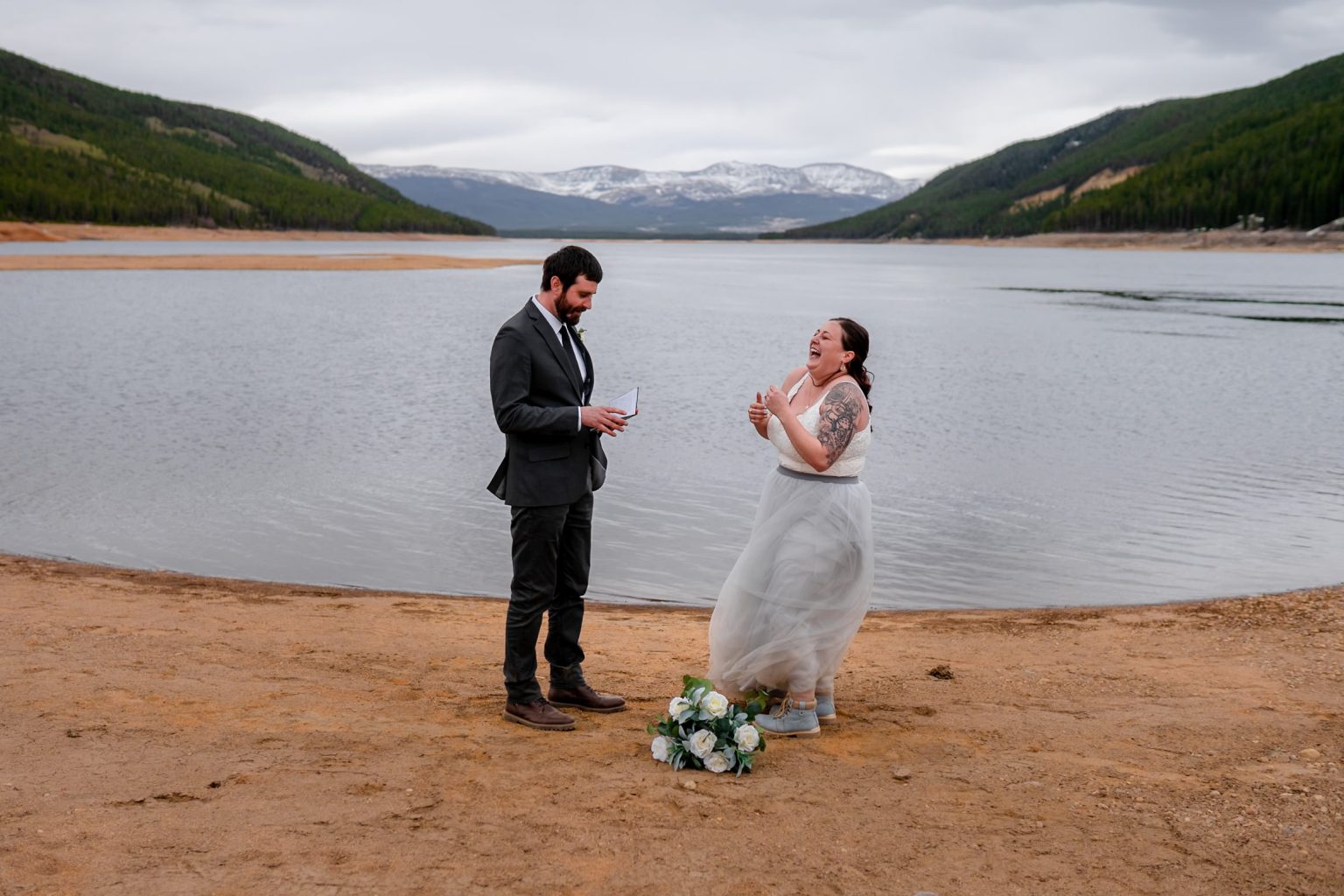
In the realm of relationships, the concept of marrying oneself emerges like an ethereal whisper, beckoning the curious and the introspective alike. This intriguing notion, often captured under terms like “self-marriage” or “solo wedding,” encapsulates a myriad of deep-seated desires: self-love, personal commitment, and the celebration of one’s individuality. Imagine embarking on a voyage where the destination is not another person but rather a profound connection with your own soul. Can you truly marry yourself? Let’s delve into the multifaceted dimensions surrounding this captivating endeavor.
The Genesis of Self-Marriage
The roots of self-marriage can be traced back to various cultural and spiritual practices, reminiscent of the ancient notion of divine union. In some cultures, individuals have engaged in ceremonies that symbolize the alignment of their inner selves, often reflecting a deep reverence for personal autonomy. This practice serves as an act of self-affirmation, recognizing the intricate tapestry of one’s own identity. To marry oneself is akin to planting a flag in the territory of one’s life, declaring, “I am enough.”
The Ceremony: Crafting a Ritual
The idea of orchestrating a self-marriage ceremony may arouse images of cascading bouquets and eloquent speeches. However, at its essence, it is about creating a ritual that resonates with your spirit. The beauty of this process lies in its flexibility—there are no stringent rules or societal norms to adhere to. Design a ceremony that encapsulates your personal values and aspirations.
This may include writing vows that acknowledge your strengths and intentions, lighting candles that symbolize the vibrant facets of your personality, or even donning an attire that makes you feel magnificent. The ceremony’s structure can be as grand or as intimate as you desire, radiating authenticity and personal significance.
The Vows: A Love Letter to Oneself
Crafting vows during a self-marriage can be likened to penning a love letter to your own essence. These declarations serve as a roadmap for self-discovery and growth. Popular themes might include commitment to self-care, the intention to pursue passions, and the promise to embrace imperfections.
Consider vows such as, “I vow to honor my own needs,” or “I promise to chase after my dreams with unwavering fervor.” Each affirmation becomes a thread woven into the fabric of your life, fortifying your relationship with yourself and anchoring you through the vicissitudes of existence. This act of creation enables one to solidify their allegiance to their individual journey.
The Symbolism: Rings and Beyond
Traditionally a token of union, wedding rings in a self-marriage ceremony can morph into symbols of personal empowerment. Opt for rings that resonate with your aesthetic and embody your unique journey—perhaps a piece that integrates your birthstone or reflects your style. Each glance at this emblem serves as a reminder of your promise to yourself, urging you to cherish and cultivate the relationship you have with your soul.
But the symbolism need not stop at rings. Other tokens, such as selected stones, framed affirmations, or even a self-gift, can serve as constant reminders of your commitment to self-love and acceptance.
The Celebration: Embracing Your Own Company
After the vows and the ceremonial elements, the celebration is where the true joy flourishes. This moment is for basking in the sheer elation of your own company. Consider indulging in activities that fill your spirit. This might involve a lavish feast of your favorite foods, a day spent exploring nature, or an evening of solitude punctuated by reflective journaling.
Invite friends or family if you desire, creating a shared experience of your journey. By doing so, you establish a chorus of support, echoing the importance of self-acknowledgment within the broader human experience. The camaraderie can amplify the fulfillment of your commitment, celebrating not only who you are but who you aspire to become.
The Psychological Implications: Fostering Self-Love
Engaging in the practice of self-marriage can greatly contribute to psychological well-being. It encourages individuals to confront their insecurities and to cocoon themselves in a mantle of self-affection. This process promotes an intrinsic understanding that love does not solely emanate from external sources; it burgeons within, waiting to be acknowledged and nurtured.
By committing to oneself, individuals may experience a profound transformation—an elevation that infuses all aspects of life with vibrancy and purpose. Self-marriage is exemplary of radical self-acceptance, challenging societal norms that often equate personal worth with relationships or validation from others.
Conclusion: A Journey of Self-Discovery
In conclusion, the tantalizing question of whether one can marry oneself transcends mere curiosity; it is an exploration of the depths of human dignity and self-worth. The journey of self-marriage is not merely an event; it is a lifelong odyssey towards self-discovery, acceptance, and love. As you stand at the altar of your own heart, you declare a commitment not just to be alive, but to thrive in every sense. So, can you marry yourself? Indeed, the answer lies in the unwavering belief that you are worthy of your own affection, that every heartbeat is a call to embrace the magnificent essence of who you are.








Leave a Comment