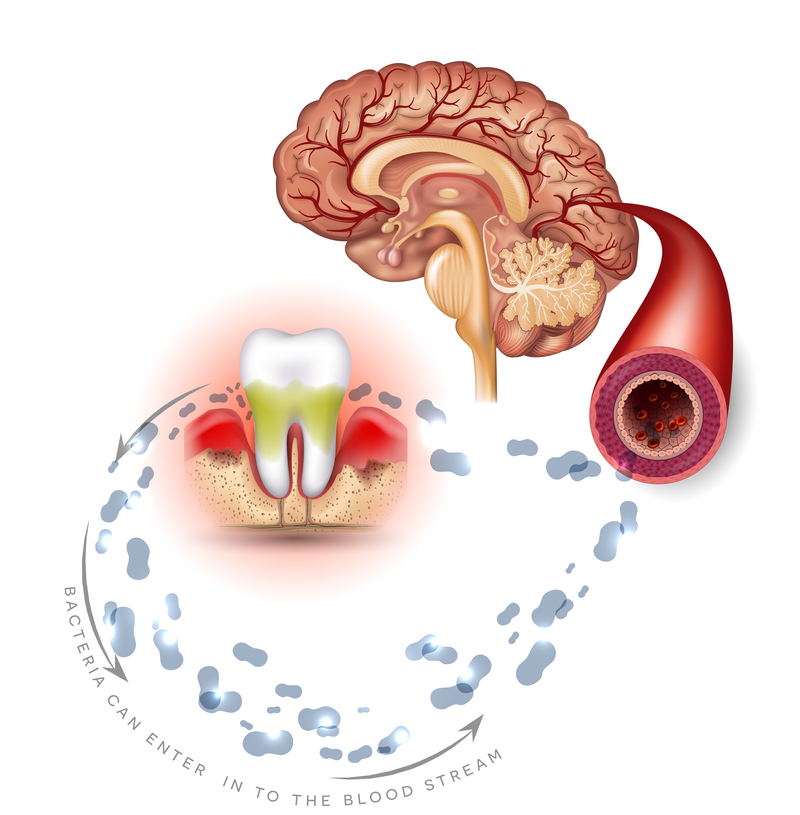
Tooth infections are more than just a dental nuisance; they can pose severe health threats, particularly when they spread beyond the confines of the mouth. One alarming possibility is the transmission of infection to the brain, resulting in life-threatening complications. Understanding the signs and symptoms of such a condition is paramount in mitigating risks and seeking prompt intervention. This article delves into the various symptoms indicative of a tooth infection that has escalated to involve the brain, elucidating the interconnectedness of oral health and overall well-being.
1. The Anatomy of Tooth Infections
Before exploring the symptoms, it is vital to comprehend how a tooth infection might progress to the brain. Typically initiated by bacterial invasions in dental caries, inflamed gums, or trauma, these infections may precipitate the formation of an abscess. If left untreated, bacteria can infiltrate the bloodstream, ultimately leading to systemic complications and potential contamination of cerebral regions.
2. Initial Symptoms: Warning Signs to Heed
The first manifestations of a tooth infection include localized discomfort. Individuals often report:
- Persistent Toothache: Intense, throbbing pain that can vary in intensity.
- Swelling: Noticeable swelling around the affected tooth or surrounding gums.
- Redness and Inflammation: Gums may exhibit pronounced redness, indicating heightened inflammation.
- Fever: A low-grade fever may signal a systemic response to the infection.
These initial symptoms should not be dismissed. They serve as critical indicators of an underlying issue that may escalate to more severe consequences.
3. Neurological Symptoms: Telltale Signs of Infection Spread
If the infection progresses, symptoms may shift, manifesting neurological complications that underscore the urgency of intervention. Potential signs include:
- Severe Headaches: Migraines or intolerable headaches that seem to originate from deep within the skull.
- Cognitive Disturbances: Confusion or changes in mental clarity may indicate infection spread.
- Focal Neurological Deficits: Weakness or numbness localized to one side of the body, hinting at potential cerebral involvement.
- Seizures: The emergence of seizures without a previous history raising alarming red flags.
The progression to these symptoms underlines the potential for serious complications, such as brain abscesses or meningitis, and warrants immediate medical attention.
4. Systemic Manifestations: Broader Health Implications
As the infection can trigger a systemic inflammatory response, additional symptoms may arise that are broad and more generalized. These can include:
- Chills and Night Sweats: Frequent episodes suggesting a response to infection.
- Fatigue and Malaise: A pervasive feeling of exhaustion that does not improve with rest.
- Rapid Heartbeat: Increased pulse rate can indicate the body’s stress response to infection.
These manifestations point to a body in distress, and highlighting them can prompt individuals to seek medical intervention before the situation escalates further.
5. The Diagnostic Process: Identifying the Underlying Issue
In cases where there is suspicion of a tooth infection spreading to the brain, a thorough diagnostic approach is crucial. Physicians typically employ:
- Imaging Studies: MRI or CT scans to visualize brain structures and any indication of infection.
- Blood Tests: CBC (Complete Blood Count) to assess for elevated white blood cells, suggestive of active infection.
- Lumbar Puncture: If meningitis is suspected, analyzing cerebrospinal fluid can provide critical insights.
These diagnostic tools help ascertain the severity of the infection and the appropriate treatment pathway, emphasizing the critical need for timely medical evaluation.
6. Treatment Protocols: Escaping the Grasp of Infection
Effective management is paramount in addressing tooth infections, particularly when they reach the brain. Treatment may involve:
- Antibiotics: Broad-spectrum antibiotics are typically the first line of defense against bacterial infections.
- Drainage Procedures: Surgical intervention may be required to remove abscesses and reduce pressure.
- Dental Treatments: Addressing underlying dental issues through treatments such as root canals or extractions can prevent further complications.
The complexity of treatment highlights the necessity for a multi-disciplinary approach, involving both dental and medical professionals.
Conclusion
The potential for tooth infections to escalate into severe neurological conditions serves as a compelling reminder of the interdependence between oral health and systemic wellness. By recognizing early symptoms and understanding the implications of an untreated infection, individuals can take proactive steps in safeguarding their health. While the mouth may seem a distant venue from the brain, a neglected tooth can indeed have far-reaching effects. Staying vigilant can be the key to prevention, ensuring that a simple dental concern does not spiral into a life-threatening crisis.









Leave a Comment