When navigating the world of vision correction, one might wonder whether glasses and contact prescriptions are interchangeable. While both are designed to enhance vision, the subtle nuances between these two types of corrective lenses often prompt a deeper inquiry. As you embark on this exploration, prepare to shift your perception and uncover the distinctive characteristics that differentiate these two modalities of visual aid.
First, let’s establish the foundational purpose of both glasses and contacts. Their primary goal is to correct refractive errors such as myopia (nearsightedness), hyperopia (farsightedness), and astigmatism. However, even though they share this common thread, the systems involved in their prescriptions are distinct.
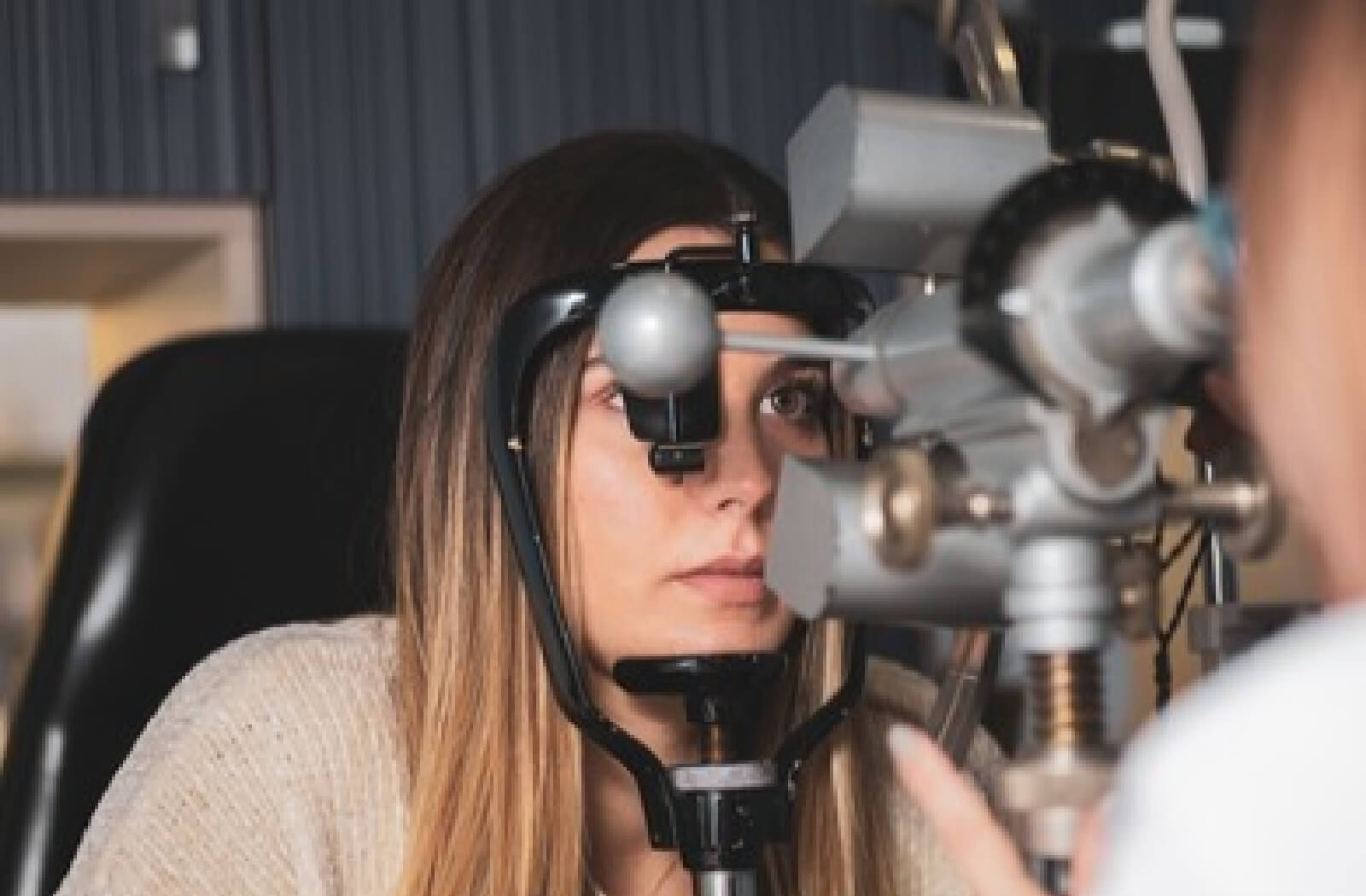
Prescription lenses, whether for glasses or contacts, are evaluated using a comprehensive eye examination conducted by an optometrist or ophthalmologist. This assessment not only considers visual acuity but also other factors like the curvature of the cornea and the position of the eye. With this information, an accurate prescription can be determined. Now, let’s delve into the crucial elements of these prescriptions and how they differ.
1. Measurement Variables
For graphically inclined individuals, the most crucial difference lies in the measurement specifications of each prescription. When you obtain a glasses prescription, it includes important metrics such as:
- Spherical (SPH) – This indicates the degree of nearsightedness or farsightedness.
- Cylindrical (CYL) – Relevant for astigmatism; this measurement gauges the degree of lens curvature required to correct the irregular shape of the eye.
- Axis – This is expressed in degrees and works in tandem with the cylindrical measurement to provide precise astigmatism correction.
- Add – In bifocal or multifocal prescriptions, this number denotes the additional magnifying power needed for reading.
Conversely, a contact lens prescription includes additional factors. It typically encompasses:
- Base Curve (BC) – This curvature measurement is essential for ensuring that the lens conforms appropriately to the shape of your cornea.
- Diameter (DIA) – The size of the lens, which must align well with the size of the eye’s surface.
- Lens Type – This can range from daily disposables to extended wear options, each tailored for specific needs.
2. Fitting and Comfort
Another pivotal distinction lies in the fitting process for glasses versus contacts. While glasses sit upon the nose and merely rest on the face, contact lenses require a more personalized fit. Contacts are designed to adhere directly to the eye’s surface, which necessitates precision in both the base curve and diameter. An incorrectly sized contact can lead to discomfort and visual disturbances, whereas glasses have a degree of flexibility in terms of fit and comfort.
3. Vision Correction Precision
The physiological differences between glasses and contacts also bring forth variances in visual acuity. Glasses sit about 12 millimeters from the eyes, which interrupts the path of light entering the eye and therefore can introduce distortion. In contrast, contact lenses lay directly on the cornea, allowing for a more precise optical alignment. This proximity often yields sharper vision and a more expansive field of view; users of contact lenses often report higher satisfaction concerning peripheral vision.
4. Lifestyle Considerations
When selecting between contacts and glasses, lifestyle plays a monumental role. Glasses, while stylish and convenient, can be cumbersome during physical activities. Contacts provide the flexibility and unobtrusiveness that many active individuals crave. Additionally, the intricacies of daily routines—whether one experiences a dry environment or often engages in challenging visual tasks—can significantly influence the decision-making process. For instance, those who frequently work on computers may find their eyes fatigue more rapidly with contacts, while others may revel in the freedom contacts afford for various activities.
5. Cosmetic Choices and Aesthetic Benefits
Beyond corrective capabilities, personal aesthetic preferences often guide individuals toward one option or the other. Glasses can serve as a fashion statement, complementing personal style and enhancing facial features. Contacts, on the other hand, provide the option for uniqueness—colored contacts offer a chance to experiment with eye color, enabling wearers to alter their look with remarkable ease.
6. Ongoing Care and Maintenance
Lastly, each choice necessitates a different level of upkeep. Glasses typically require occasional cleaning and, at most, a lens replacement, making them a lower-maintenance option overall. Contacts demand a rigorous regimen involving daily cleaning, proper storage, and adherence to replacement schedules. Neglecting this care can lead to serious ocular health issues.
In conclusion, while glasses and contact prescriptions serve the same basic purpose—correcting vision—numerous differences influence their practicality and desirability. Understanding the distinctions between these two modes of vision correction can empower individuals to make informed choices that align with their unique lifestyles and needs. Whether you ultimately opt for the elegance of glasses or the liberating comfort of contacts, each choice promises an enhancement to your visual experience, beckoning you toward a world of clearer sight.






Leave a Comment