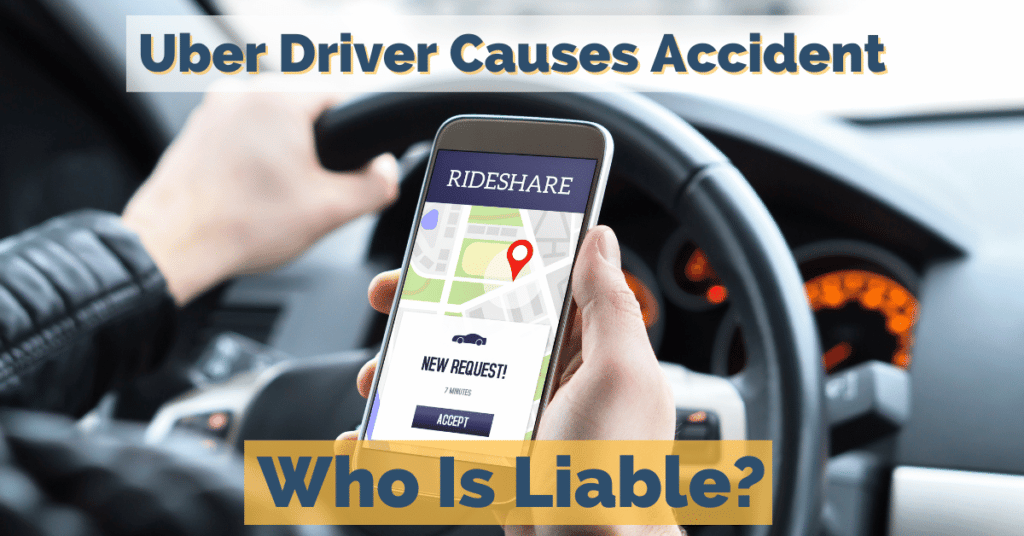
In the high-octane world of technology, autonomous vehicles represent the vanguard of innovation, promising to reshape our urban landscapes and revolutionize personal transportation. However, as these sophisticated machines inch closer to ubiquity, they provoke a series of legal quandaries akin to navigating a labyrinth without a map. One of the most pressing dilemmas lies in the realm of liability when an Uber autonomous vehicle, equipped with a backup driver, becomes embroiled in an accident. Who shoulders the responsibility? The driver, the technology provider, or perhaps the very framework of modern law itself?
As we embark on this journey through the intricate web of liability related to autonomous vehicles, it’s imperative to examine the context and the components that contribute to these pivotal decisions. At the heart of this dialogue is the enigmatic backup driver— a human presiding over a machine that has been programmed to make real-time decisions, yet is inherently flawed in its learning processes.
Understanding the intersection of technology and law begins with digesting the duality inherent in autonomous vehicles. On one side, we have the touch of human intuition, embodied by the backup driver whose presence is meant to safeguard passengers when the algorithms falter. On the other hand, we encounter the robust intellect of the technology, navigating roads with proficiencies rivaling those of seasoned drivers. In this nebulous intersection, an accident can unfold, entangling multiple parties in a complex web of liability.
1. **The Landscape of Liability**:
The first step in unpacking liability rests in discerning the landscape of accountability. Traditionally, when an accident occurs, the principle of **negligence**—a lapse in duty of care—can pin the blame on a driver. However, in the realm of autonomous vehicles, the dichotomy of machine versus human complicates this fundamental concept. Should a backup driver be held liable if the autonomous system fails to respond appropriately to an unforeseen obstacle? In this context, actionable negligence oscillates like a pendulum, shifting the fulcrum of responsibility between humans and technology.
2. **The Role of the Backup Driver**:
The backup driver embodies an intriguing paradox, much like the jester in a medieval court—present for comedic relief yet possessing the potential to wield profound influence over the court’s fate. Their primary function is to assume control in critical moments, yet the rarity of such interventions casts doubt on their agency. Moreover, how well are back-up drivers trained to intervene? The adequacy of their preparation weighs heavily in legal determinations of culpability. Did they err in judgment or were they simply unprepared for the bizarre car-dodging dance of autonomous technology?
3. **The Weight of Regulations**:
As with any groundbreaking technology, a shroud of legal guidelines wraps around autonomous vehicles like fog over a morning landscape. Regulations vary markedly by jurisdiction, and in some cases, they resemble the wild west of the legal system—confusing and unpredictable. If state law delineates guidelines for the operation of autonomous vehicles, it raises questions as to the implications of local versus federal regulations. When an accident occurs, do local laws apply, or does a broader federal framework supersede them? The conundrum resembles a game of chess, where every move can alter the overall outcome.
4. **The Insurance Domain**:
As the proverbial garden of liability proliferates, insurers find themselves amidst a tangled undergrowth of questions. Who is insurable—the vehicle manufacturer, the software developers, or the backup driver? Existing policies may lack the adaptability required to account for the reliance on sophisticated algorithms. This raises a new breed of insurance designed specifically for autonomous vehicles and their contingencies. The gradual evolution of these products will be necessary as traditional insurance models navigate the choppy waters of liability disputes.
5. **The Ethical Dimension**:
Underlying the legal quandaries is a veritable ethical morass. In moments of crisis, how should an autonomous vehicle decide whom to protect—its passengers, pedestrians, or other vehicles? The ethical considerations resonate deeply as they interlace with liability; in essence, the moral fabric of society interlocks with the beams of technology. As we ponder these dilemmas, the harrowing decision-making reflexes of artificial intelligence play the role of both philosopher and mathematician.
6. **Future Considerations**:
As autonomous technology symbiotically weaves itself into the fabric of our daily lives, society must engage in critical discussions about liability, ethics, and the legal responsibilities attached to these innovations. Will we see the emergence of specialized courts dedicated to addressing the nuances of autonomous vehicle liability? Or perhaps a new legislative framework will emerge that circumscribes the pale of exceptional cases? Navigating these deliberations demands collaboration across multifaceted sectors, from technology developers to lawmakers.
In the final analysis, the question of Uber autonomous vehicle backup driver liability invites us to grapple with the confluence of human judgment and machine precision. As we stand on the precipice of a transportation renaissance, the implications of these discussions eclipse the individual incidents of liability and beckon toward an expansive inquiry into the nature of responsibility itself. The road ahead is fraught with ambiguity, but through rigorous discourse and cooperative engagement, society can steer toward a future where autonomy does not absolve accountability but rather redefines it.








Leave a Comment