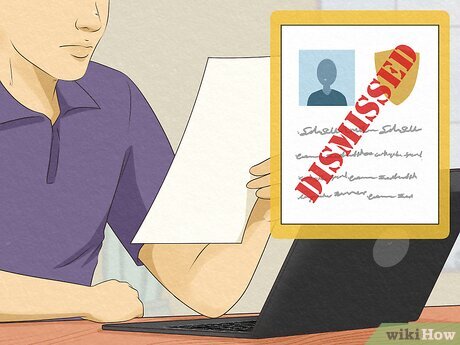
In the labyrinthine world of the legal system, navigating the myriad of complexities can often feel like wandering through a dense fog. Have you ever found yourself pondering: “What are the signs that my case might meet an untimely end in court?” This question can evoke a stir of unease, and rightly so. Recognizing the potential indicators of dismissal can empower litigants to prepare more effectively. Below, we delve into critical signs that may suggest your case is on the precipice of dismissal.
1. Lack of Jurisdiction
One of the foundational principles of law is jurisdiction, which dictates whether a court has the authority to hear a case. A court lacking jurisdiction over the subject matter or the parties involved may dismiss your case outright. Consider: has the case been filed in the correct court? If not, that mismatch might signal trouble ahead.
2. Insufficient Evidence
Imagine your case as a house; without a robust foundation of evidence, the structure is bound to crumble. If your claims are not substantiated with compelling evidence—whether documents, witness testimonies, or expert opinions—dismissal can loom ominously. Courts require a preponderance of evidence or clear and convincing proof, depending on the legal standard applicable to your case.
3. Procedural Missteps
Legal procedures are intricate, and failing to adhere to them can lead to severe consequences. Have you filed your documents on time? Complied with discovery requests? Ignored deadlines? Procedural missteps can serve as a gateway to dismissal, as courts expect litigants to follow established protocols diligently. A minor oversight could precipitate major repercussions.
4. Lack of Standing
Possessing standing is akin to having a ticket to enter a concert; without one, you’re likely to be turned away at the door. In a legal context, standing requires that you demonstrate a sufficient connection to the grievance. If you cannot prove that you have been directly affected by the issues at hand, your case risks being dismissed for lack of standing.
5. Dismissal with Prejudice vs. without Prejudice
Understanding the nuances between dismissal “with prejudice” and “without prejudice” can be critical. A case dismissed with prejudice cannot be refiled; its fate is sealed. Conversely, dismissal without prejudice allows for the possibility of re-filing. Court scrutiny often hinges on procedural correctness—ensuring you don’t inadvertently invite a dismissal with prejudice through negligence.
6. Failure to Prosecute
Judges are often vigilant about maintaining the flow of justice. A case may be dismissed if the plaintiff fails to take necessary action to move the case forward—such as attending hearings or responding to motions. This concept, known as “failure to prosecute,” underscores the importance of diligence in legal proceedings. Are you prepared to keep the momentum alive?
7. Statute of Limitations
Every claim has a shelf life—often dictated by the statute of limitations. If you’ve allowed too much time to lapse since the alleged injury or offense, you may find that your case is barred from consideration. Knowing the deadline is essential; ignoring it could lead to an abrupt end to your pursuit of justice.
8. Frivolous Claims
Illustrating a lack of serious intent, frivolous claims can lead to dismissal. When a case is deemed to lack merit or is based solely on a desire to harass or burden another party, courts may swiftly dismiss it. Have you carefully assessed the underpinning of your claims? This scrutiny is paramount to avoid the embarrassment of a ruling against you.
9. Toxic Relationships
In litigation, relationships can sometimes get contentious. If you’ve been involved in multiple disputes with the same party or if past behavior suggests an inequity in conduct, the court may lean towards dismissal. The tone and context of your interactions can color the judge’s perception of your case.
10. Unconventional Legal Strategies
While innovation in litigation can be advantageous, it can also backfire. Employing unconventional legal strategies—those that stray from established norms without sufficient justification—can raise red flags. Is your approach grounded in acknowledged legal precedent or are you venturing into uncharted territory? The latter may entice dismissal.
In the tumultuous sea of litigation, recognizing the signs that your case may be dismissed is akin to having a lighthouse guiding you safely to shore. The intricacies of jurisdiction, evidence, procedural adherence, and other factors can profoundly influence the trajectory of your case. As you journey through the legal labyrinth, equip yourself with knowledge and prepare for the potential challenges that lie ahead.
Ultimately, the awareness of these signs not only helps fortify your position but also fosters proactive management of your case. Understand that now, more than ever, being informed can serve as your greatest ally in the pursuit of justice. Can you navigate the nuances to achieve a favorable outcome?









Leave a Comment