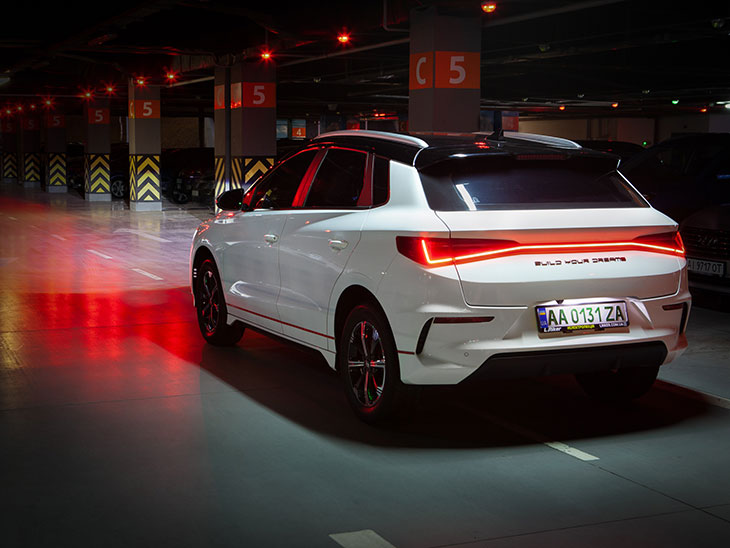
A flickering or constant illumination of the brake light is a signal that no vigilant driver should ignore. Understanding this important warning can transform your approach to vehicle maintenance and safety. Insight into the reasons behind your brake light activating may well save you from extensive repairs or accidents in the future. Here, we delve into the common culprits that might illuminate your braking system’s alert and explore what actions you should take next.
1. Brake Fluid Levels
One of the primary reasons your brake light might flicker on the dashboard is a drop in brake fluid levels. Brake fluid is the lifeblood of your braking system, providing the necessary hydraulic pressure to engage the brakes. When this fluid dips below optimal levels, it raises the alarm via the brake light. The fluid may diminish due to leaks in the brake lines, worn brake pads, or even the natural absorption of moisture over time. Regularly checking and topping off this vital fluid can serve as a simple preventive measure.
2. Faulty Brake Switch
Another chief suspect behind an illuminated brake light is a malfunctioning brake switch. This switch is strategically positioned near the brake pedal and is responsible for turning the brake lights on when the pedal is depressed. If this switch becomes stuck or experiences electrical failure, it could result in an unanticipated brake light activation. A visit to a certified mechanic can verify this situation, ensuring the switch is operational and aligned correctly.
3. Worn Brake Pads
Brake pads are essential components that are designed to create friction with the brake discs, thereby allowing your vehicle to stop efficiently. Over time, these pads can wear down, and indicators have been designed to alert you of this deterioration. Many vehicles are equipped with sensors that trigger the dashboard warning when brake pads thin out. Ignoring this warning could lead to compromised braking performance and, ultimately, dangerous driving conditions. If your brake light activates and you suspect worn pads, a thorough inspection is imperative.
4. ABS Warning
For those driving modern vehicles equipped with Anti-lock Braking Systems (ABS), an illuminated brake light could signal issues with this sophisticated system. When your ABS is malfunctioning, it may trigger both the ABS indicator light and the brake alert. This system is designed to prevent wheel lock-up during sudden braking situations, enhancing control and safety. A malfunction here could severely impair your driving. Diagnostic tools may be necessary to pinpoint the ABS issue, highlighting the indispensable nature of professional assessment.
5. Parking Brake Engaged
It may seem trivial, but occasionally, your brake light turns on simply because the parking brake has not been fully disengaged. Some vehicles are equipped with a warning system that lights up whenever the parking brake is applied. If you’re experiencing an activated brake light but feel confident in your braking system, check to ensure the parking brake lever is not unintentionally engaged. This oversight is notably common and easily rectified but can arouse unnecessary anxiety.
6. Electrical Issues
Electrical malfunctions can also lead to errant illumination of your brake light. Short circuits, blown fuses, or damaged wiring can cause the light to engage sporadically or remain lit indefinitely. If you suspect electrical issues are behind the brake light activation, it’s essential to schedule a professional inspection. An experienced technician can trace faults in the wiring system and restore proper function to your vehicle’s lighting systems.
7. Diagnostic Check & Maintenance Recommendations
If your brake light comes on and you’re unable to determine the cause, conducting a diagnostic check is advisable. Many auto shops offer this service and can identify issues that may not be immediately apparent. During this evaluation, the technician will examine all components of the braking system, including fluid levels, sensors, and wiring. Furthermore, a regular maintenance schedule should include brake checks. This will not only prolong the life of your braking components but also enhance your vehicle’s safety profile.
8. Approach with Caution
When you notice a brake light activation, it serves as a crucial reminder of the importance of vehicular safety. Proceeding with caution is essential—even if the light seems to behave sporadically or only illuminates under certain conditions. Delaying action can result in dire consequences. If unsure about the underlying issue, it’s better to err on the side of caution and consult with professionals.
Conclusion
Your brake light is more than just a light; it is a sentinel tirelessly working to safeguard your driving experience. By familiarizing yourself with the potential reasons for its activation—from fluid levels to electronic mishaps—you empower yourself with knowledge crucial to both vehicle maintenance and personal safety. Recognizing the signs, embracing a proactive stance, and seeking timely repairs ensures that your car remains in optimal condition, safeguarding not only your journey but also those who traverse the roads alongside you. Remain vigilant, and never underestimate the humble brake light—it could be your vehicle’s way of whispering a much-needed warning.











Leave a Comment