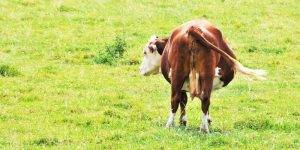
Milk production, a cornerstone of the dairy industry, raises a pivotal question: do cows need to be pregnant to produce milk? This query intertwines animal biology, ethical considerations, and agricultural practices. In this article, we will thoroughly explore this subject, dissolving myths and revealing the nuances of bovine lactation.
At the heart of milk production lies a fundamental biological principle. Cows, like other mammals, undergo a process called lactation, which is primarily triggered by hormonal changes associated with pregnancy and childbirth. To understand the connection more profoundly, we must explore several key aspects: the anatomy of the cow, the lactation cycle, ethical considerations, and alternative practices in dairy farming.
Anatomy of the Cow: Understanding Lactation
The bovine anatomy plays a significant role in its ability to produce milk. Female cattle, known as cows, possess mammary glands that are responsible for lactation. These glands undergo substantial changes during pregnancy and after giving birth. The hormone prolactin, which is crucial for milk synthesis, rises significantly following parturition (the act of giving birth). This surge in prolactin paves the way for the cow to start producing milk.
The Lactation Cycle
The lactation cycle of a cow is inherently linked to reproductive processes. A typical cow will have an 11-month gestation period, after which she will calve, initiating her milk production phase. This phase, often lasting around 305 days, can yield impressive quantities of milk—averaging about 6 to 7 gallons per day in high-producing dairy breeds.
After the lactation phase, cows enter a dry period, usually lasting around 60 days, during which they are not bred or milked. This period is essential for the cow’s health as it allows her body to prepare for the next pregnancy, ensuring that she has the necessary resources to support both her own needs and those of her future calf.
Addressing Myths and Misconceptions
A prevalent misconception is that cows can produce milk indefinitely without pregnancy. This notion neglects the biological realities that underpin lactation. While cows will continue to produce milk for some time after calving, their milk production does not last indefinitely. Without the stimulus of pregnancy and subsequent calving, the cow’s milk yield will gradually decline. Once her body recognizes that lactation is no longer necessary (usually after about a year), her production significantly dwindles, leading to a natural cessation of milk supply.
Ethical Considerations in Dairy Farming
The ethical considerations surrounding milk production abound. Questions arise about optimal animal welfare practices in a dairy setting. Traditional farming methods often raise cows primarily for milk production, which can create ethical dilemmas, particularly considering the cycles of pregnancy and calving that these cows must endure. The frequent breeding of dairy cows raises concerns about their physical and emotional well-being. Many advocate for practices that enhance the quality of life for cows, ensuring that they experience less stress and improved living conditions.
Moreover, there is a growing demand for transparent and humane dairy farming practices. Consumers increasingly seek assurance that animal welfare standards are met, leading many farmers to adopt more ethical methods that prioritize cow health while maintaining productivity. This shift crafts a narrative of sustainability in dairy farming, where animal welfare and production efficiency coexist harmoniously.
Alternative Approaches to Milk Production
In recent years, some innovative methods have emerged in the dairy industry. One noteworthy alternative is the concept of “low-stress cow management,” which emphasizes minimizing stress during the breeding, calving, and milking processes. Techniques such as gentler handling, improved housing, and nutritional optimization can enhance both cow welfare and milk yield.
Additionally, some articulate the possibilities of synthetic milk production, which considerably lessens reliance on natural lactation. With advancements in biotechnology, scientists are exploring ways to replicate milk components without the use of live animals, which could transform the dairy landscape. However, as promising as these alternatives may be, they are still in their nascent stages and pose their own ethical and economic challenges.
The Future of Dairy Farming
The future of dairy farming grapples with ensuring sustainability while navigating biological limitations. While cows do need to be pregnant to initiate and sustain milk production, the industry is evolving to adopt practices that respect animal welfare and environmental sustainability. The pressing challenges of climate change, ethical farming, and consumers’ health consciousness shape the trajectory of dairy farming, encouraging farmers to innovate continuously.
Ultimately, addressing the question of whether cows need to be pregnant to produce milk unveils the intricate interplay of biology and ethics within the dairy industry. Cows do require pregnancy and calving to start and maintain milk production, emphasizing the importance of understanding the biological cycle in bovine care. As consumers grow more educated and considerate regarding their food sources, the dairy industry must adapt, redefining its narrative to prioritize the well-being of these remarkable animals. The road ahead may be complex, but it harbors the potential for a more humane and sustainable approach to dairy farming.










Leave a Comment