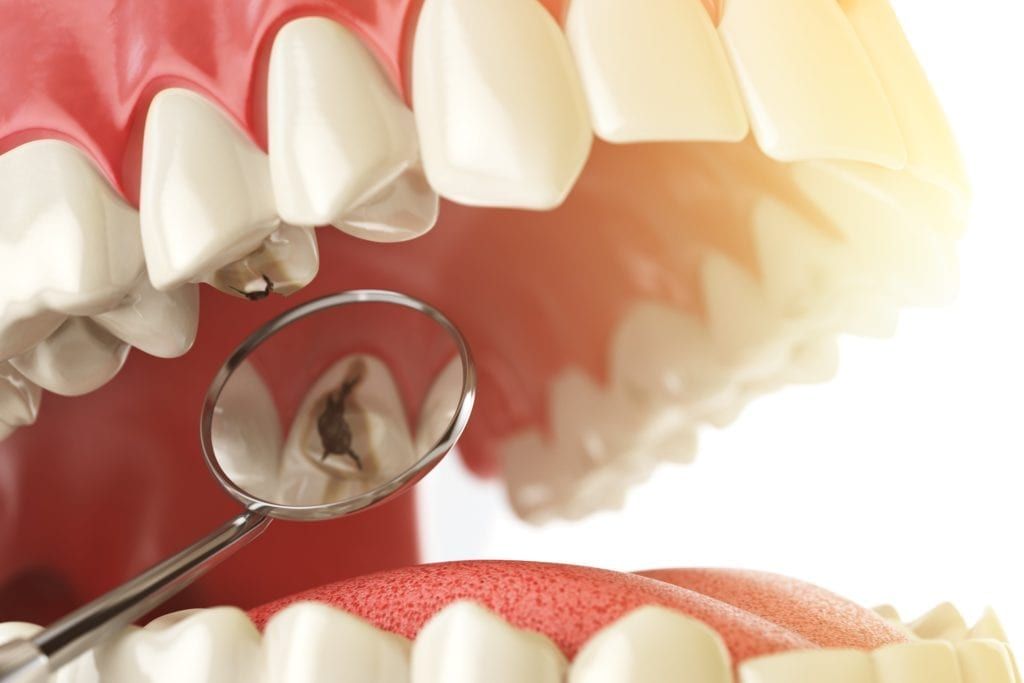
Cavities, those pesky little detriments to our dental health, seem to lurk around every corner, patiently waiting to unveil themselves in the form of toothaches or unsightly damage. Understanding the timeline of cavity formation can be crucial not only for maintaining dental hygiene but also for fostering a deeper appreciation of our oral health. So, how long does it take for a cavity to form? The answer is not as straightforward as one might presume. Factors abound, ranging from dietary choices to individual oral care practices, all of which intertwine to influence this process.
To unravel the enigma of cavity formation, we must first delve into the mechanics of tooth decay. Most commonly, cavities arise due to dental caries, a process wherein the enamel—the outer protective layer of the tooth—deteriorates due to acid produced by bacteria. These bacteria feast on carbohydrates left on the teeth after meals, resulting in acid that wears down the enamel. But how swiftly does this process occur?
Interestingly enough, a cavity doesn’t materialize overnight. Typically, it can take months to years for an identifiable cavity to form; however, this duration can vary dramatically based on several pivotal factors.
1. Oral Hygiene Practices: The cornerstone of cavity prevention lies in diligent oral hygiene. Regular brushing with fluoride toothpaste, coupled with flossing, can significantly impede the bacterial growth that triggers cavities. Those who abstain from these practices may find themselves with cavities developing within just six months to a year.
2. Diet and Nutrition: A sugary diet significantly accelerates cavity formation. When we indulge in sweets, the bacteria in our mouths convert sugars into acids, thus contributing to a rapid decline in enamel integrity. Those who habitually consume sugary snacks or drinks may notice cavities emerging in as little as four to six months, especially in the absence of diligent oral care.
3. Saliva Production: Saliva serves as nature’s mouthwash, helping to neutralize acids and wash away food particles. Individuals with conditions leading to reduced saliva flow—due to medications, medical conditions, or dehydration—are at an increased risk for cavities. In such cases, a cavity may take a mere few months to develop.
4. Tooth Structure and Alignment: The anatomical configuration of one’s teeth plays a significant role as well. Teeth that are uneven or overlapping are harder to clean, creating hiding spots for bacteria. If left unmonitored, cavities can emerge much sooner in individuals with such dental anomalies.
5. Age Factor: The age of an individual often correlates with their susceptibility to cavities. Children and teenagers, due to their developing teeth and frequent consumption of sugary snacks, typically experience cavity formation more quickly than adults. However, as people age and their enamel naturally wears down, adults can also experience facilitated cavity development.
Now that we have established the various factors contributing to the formation of cavities, it would be prudent to examine the stages of decay:
Stage 1: Initial Demineralization occurs when acid attacks the enamel, leading to microscopic damage. This stage might last several months or even years, depending on oral hygiene and dietary habits. Interestingly, it is often reversible if one enhances their oral care regimen during this phase.
Stage 2: Enamel Decay represents the point of no return—when cavities become more pronounced. This stage can manifest within a year for someone with poor dental habits. A visit to the dentist is vital at this juncture, as professional intervention can still halt progression.
Stage 3: Dentin Decay signifies when the decay has penetrated through the enamel and infiltrated the dentin—the softer layer beneath. At this stage, the development of a cavity can accelerate, leading to pain and sensitivity. This transition may occur within a year or two, and it is critical to address it with dental treatment.
Stage 4: Pulp Involvement occurs when the decay reaches the core of the tooth, where the nerve and blood vessels reside. This stage can culminate in severe pain and tooth loss if not treated expediently. The timeline leading to this stage varies widely, often taking a few years or longer, but the rate of progression can be alarming for the unprepared.
So, what can one glean from this exploration into cavity formation? The time taken for a cavity to manifest is as variable as individual lifestyles themselves. By adhering to a robust dental hygiene routine, making informed dietary choices, and seeking regular dental check-ups, one can fundamentally alter the trajectory of their oral health.
In conclusion, monitoring the factors that contribute to cavity formation shifts the paradigm of how we view dental health. Rather than considering cavities as inevitable, we can start to perceive them as manageable, even preventable. With just a bit of foresight and effort, the battle against cavities can be won, ensuring that a dazzling smile remains a staple in our lives for years to come.











Leave a Comment