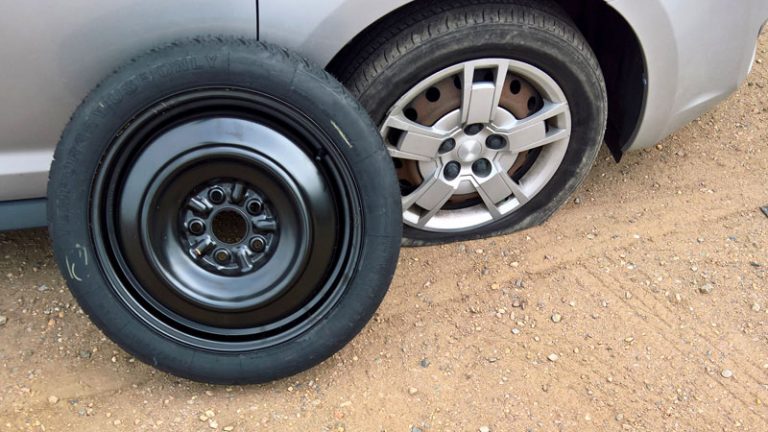
When faced with a flat tire, many drivers resort to their spare, that compact disc or donut designed to keep you mobile. However, an inescapable question arises: how long can you actually drive on a spare tire? The answer is more intricate than it seems, weaving together aspects of safety, convenience, and the limitations inherent in spare tires themselves. In this article, we will delve into the specifications, safety concerns, and best practices related to driving on a spare tire, ensuring that you make informed decisions that prioritize both your vehicle’s health and your own safety.
1. Understanding the Spare Tire: Types and Their Limitations
Spare tires typically come in two varieties: full-size spares and temporary (or “donut”) spares. While full-size spares replicate the dimensions of standard tires, donuts are designed to be lightweight and space-efficient. Although they serve the same purpose — to allow continued mobility — these spare types have significantly different limitations.
Temporary spares generally feature reduced tread depth and are constructed with thinner materials, which inherently compromises their durability. Commonly, donut spares are not intended for long-distance travel or high speeds, which is a crucial factor when considering how long you can drive on one.
2. Manufacturer Recommendations
Most manufacturers suggest not driving on a temporary spare for more than 50 to 70 miles. These guidelines are established based on the design and tread life of the donut spare. Their construction may not withstand prolonged wear and tear. Even if you feel that you can push the limits a bit further, adhering to these recommendations is vital for your safety on the road.
In contrast, a full-size spare can be treated similarly to a regular tire, provided it’s adequately inflated and in good condition. That said, it is prudent to replace it with a new tire as soon as possible, rather than relying on it for an extended period.
3. Speed Limitations
Speed is another critical factor when driving on a spare tire. Temporary spares are usually rated for a maximum speed of 50 mph. This restriction is in place primarily because the design of a donut spare is not robust enough to handle the stresses of higher speeds, which could lead to increased tire wear, overheating, or even blowouts. Thus, keeping your speed within the recommended limits is essential not only for the longevity of the spare but also for overall safety on the road.
4. Handling and Stability Concerns
Driving on a spare, particularly on a temporary one, can lead to altered vehicle handling and stability. The smaller size and different tread of a donut spare impact how your vehicle handles during turns, braking, and acceleration. This variation can result in less traction and a compromised ability to navigate curves safely. The dissimilarities in tire construction may cause vibrations or a jerky ride, detracting from comfortable driving.
5. Monitoring Tire Pressure
It’s imperative to regularly check the tire pressure of your spare tire. Under-inflation can significantly diminish its effectiveness and safety, leading to hazardous outcomes. Most spare tires require a pressure of around 60 psi, compared to the lower psi needed for regular tires. Always consult your vehicle’s manual for specific recommendations regarding your spare tire.
6. Consequences of Extended Use
Driving on a spare tire beyond the recommended mileage or speed can precipitate various consequences. Besides the risk of tire failure, continued use can adversely affect the vehicle’s suspension and overall alignment. Additionally, relying on a spare for an extended period warrants concerns regarding handling, which can compromise driver control, particularly during emergency maneuvers.
7. When to Replace Your Spare
Just like regular tires, spare tires can deteriorate over time, even if not in use. The rubber compounds can degrade, leading to structural weaknesses. Therefore, it is wise to periodically inspect your spare tire for signs of wear, cracking, or bulging. If a spare tire has been sitting idle in your trunk for several years, consider replacing it proactively, even if it appears fully intact.
8. Alternatives to Driving on a Spare
In cases where you find yourself needing more than just a temporary solution, consider contacting a roadside assistance service or getting a tow to a nearby garage. Professional help ensures a safer outcome than relying on a spare tire that is not designed for extended use. Moreover, it allows for a smoother transition back to safe driving with a professional assessment of your regular tires.
Conclusion
Understanding the limitations and best practices for driving on a spare tire is crucial for any vehicle owner. Whether you are utilizing a donut or full-size spare, keeping the recommended distance, speed, and maintenance checks in mind will contribute to safer travels. Safety should always be your overarching priority. Driving a few miles on a spare is often a necessity, but to ensure your personal safety and the longevity of your vehicle, remember that a spare is a temporary solution — not a long-term fix. Always push for prompt replacement or repair of a flat tire, and avoid extending your reliance on that compact lifeline.








Leave a Comment