Wisdom teeth removal is a significant milestone in oral health, often accompanied by a cascade of discomfort and a scattering of lifestyle adjustments. As patients navigate the recovery process, one of the most frequently encountered challenges is achieving restorative sleep. Understanding the intricacies of this post-operative journey not only illuminates the healing process but also underscores a fascinating interplay between oral health and overall well-being.
Following the extraction of wisdom teeth, patients can be beset by pain, swelling, and, in some cases, anxiety. These factors often compromise the ability to attain a restful night’s sleep. Yet, with astute management and a bit of strategic planning, it is indeed possible to navigate this challenging time with greater ease. The following guidelines outline essential strategies for optimizing sleep post-surgery, each steeped in understanding the body’s natural healing mechanisms.
1. Establish a Restful Environment
Creating an ideal sleeping environment is paramount for facilitating recuperation. Aim for a dark, quiet, and cool room. Consider employing blackout curtains to keep light at bay and utilize earplugs or a white noise machine to minimize disruptive sounds. Comfort is further enhanced by ensuring your mattress and pillows offer adequate support. A slightly elevated sleeping position can also alleviate swelling, making for a more comfortable slumber.
2. Utilize Pain Management Strategies
Post-operative pain can hinder the ability to fall and stay asleep. Adequate pain management is crucial. Over-the-counter analgesics such as ibuprofen or acetaminophen can substantially mitigate discomfort. Consult your dental surgeon about prescription medications. Adhere strictly to the recommended schedule for taking these medications, as preemptively addressing pain is often more effective than waiting for it to escalate.
3. Employ Cold Compresses
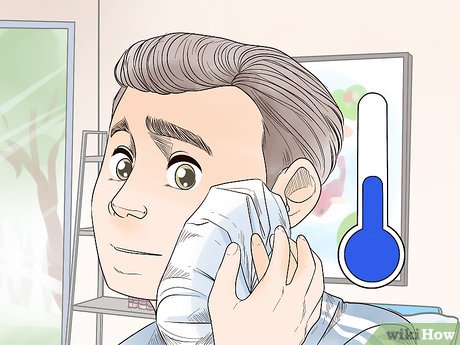
Swelling and inflammation are common companions following wisdom teeth extraction. Cold compresses can be a remarkable ally in counteracting these effects. By applying a cold pack gently to the affected area for 15-20 minutes, several times a day, patients may experience a reduction in swelling that contributes to more comfortable sleep. Just remember to avoid any direct contact with the skin to prevent frostbite.
4. Stay Hydrated but Strategic
Staying hydrated is vital for recovery, yet excessive fluid intake right before bedtime can lead to disruptive nighttime bathroom trips. Sipping water throughout the day is advisable, but taper off just a couple of hours before sleep. This measured approach strikes a balance between preventing dehydration and minimizing sleep disturbances.
5. Opt for Soft Foods
Post-operative dietary choices can dramatically affect comfort levels, especially when attempting to sleep. Opt for soft, easy-to-chew foods that require minimal effort, thereby reducing discomfort while eating. Foods such as yogurt, smoothies, and mashed bananas can provide necessary nourishment without stressing the healing gums. A nourishing bedtime snack can also prevent nighttime hunger, promoting deeper sleep.
6. Create a Relaxation Routine
Establishing a pre-sleep routine can signal the body that it is time to wind down. Engaging in relaxation techniques, such as deep breathing exercises, gentle stretching, or reading a book, can promote tranquility and prepare your mind for slumber. This practice not only fosters a sense of calm but can also work to ease the psychological distress often associated with post-surgical recovery.
7. Limit Screen Time Before Bed
In an increasingly digital world, screen time can severely disrupt the sleep-wake cycle, particularly in the post-operative period. The blue light emitted by screens can inhibit the production of melatonin, the hormone responsible for regulating sleep. It is advisable to divert attention from phones, tablets, and televisions at least an hour before bedtime. Instead, cultivating a soothing atmosphere devoid of harsh artificial light can foster a more conducive environment for sleep.
8. Practice Sleep Hygiene
Uninterrupted sleep can be affected by poor sleep hygiene practices. Maintaining a consistent sleep schedule by going to bed and rising at the same time daily helps regulate the body’s internal clock. Ensure that the bedroom is dedicated solely to sleep and relaxation. Avoid full meals, caffeine, and intense exercise too close to bedtime, as these can contribute to restlessness.
9. Monitor Side Sleeping
For individuals accustomed to sleeping on their sides, wisdom teeth extraction can present complications. Sleeping on the side of the surgery can exacerbate swelling and discomfort. Instead, try to recline on your back with your head elevated or experiment with sleeping on the opposite side. Employing extra pillows to achieve a comfortable position can alleviate undue pressure on sensitive areas.
10. Seek Professional Guidance If Necessary
If sleep disturbances persist beyond the standard recovery phase, do not hesitate to consult a healthcare provider. Prolonged discomfort or insomnia may indicate complications that require professional intervention. Timely communication with a dental professional can provide peace of mind and aid in navigating any post-operative hurdles effectively.
In conclusion, understanding how to sleep after wisdom teeth removal is a multifaceted endeavor. By addressing environmental factors, implementing effective pain management strategies, and fostering healthy routines, patients can significantly enhance their recovery experience. This transition, though challenging, signifies a deeper journey of healing and self-care. As the days pass, and comfort returns, the restorative power of sleep will play a pivotal role in reclaiming health and vitality.









Leave a Comment