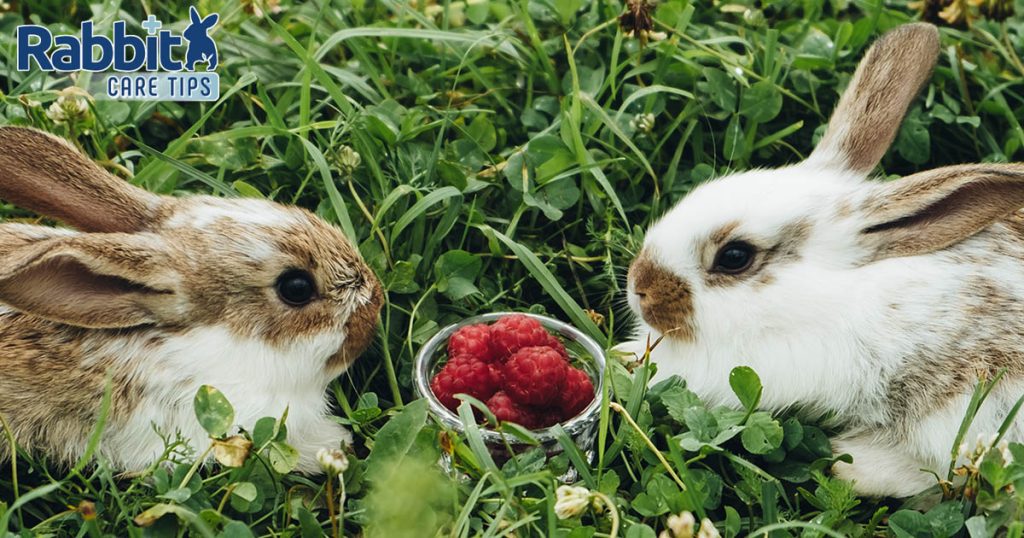
Rabbits are often considered symbols of playfulness and vitality, their penchant for nibbling on various foods intrigues many pet owners and animal enthusiasts alike. Among the myriad of fruits available, raspberries hold a particular allure. Their vibrant color and tantalizing flavor evoke curiosity: Can these succulent berries be enjoyed by our furry companions? This article delves into the question, unearthing not only the dietary preferences of rabbits but also the nuanced implications of their consumption of such delectable fruits.
Before delving into whether rabbits can indulge in raspberries, it’s crucial to understand the basic dietary framework suitable for these charming creatures. In essence, rabbits are herbivores, requiring a balanced diet primarily consisting of hay, fresh vegetables, and limited quantities of fruit. While their digestive systems are designed to handle fibrous plant material, the introduction of sweet, juicy fruits must be approached with caution.
So, can rabbits indeed eat raspberries? The simple answer is yes, but moderation is paramount. Raspberries are not only safe for rabbits to consume, but they also confer several health benefits. Rich in vitamins C and K, as well as dietary fiber, these small berries can be a delightful occasional treat. The question then arises: what is it about raspberries that captivates both rabbits and their human caregivers alike?
Anatomy of Raspberries
Understanding raspberries’ composition sheds light on their effects on rabbit health. These berries are comprised of numerous tiny drupelets that envelop a central core, creating a unique texture that many rabbits find enticing. They derive their brilliant hue from anthocyanins, potent antioxidants that may play a role in promoting wellness. For rabbits, the vibrant color of raspberries signals the presence of essential nutrients and can stimulate their foraging instincts.
Health Benefits
Integrating raspberries into a rabbit’s diet can yield various health benefits, albeit in controlled quantities. The antioxidants present in raspberries help combat oxidative stress, supporting overall health. Moreover, the fiber content aids digestion, bolstering the intestinal tract’s functionality, which is vital for maintaining a healthy gut. However, the high sugar content in raspberries necessitates caution; excessive consumption can lead to gastrointestinal disturbances or obesity. Hence, these berries should be offered sparingly, perhaps as an occasional reward or supplement to a robust diet.
Feeding Guidelines
When introducing raspberries to a rabbit’s diet, it is prudent to adhere to specific guidelines. Begin with a small portion, ideally a single berry, to monitor the animal’s reaction. Over a few days, gauge its tolerance before gradually increasing the quantity if no adverse effects are observed. Generally, a few raspberries two to three times a week can serve as an appropriate frequency for most rabbits. Additionally, it is vital to ensure any berries offered are organic and free from pesticides, thus safeguarding your pet from harmful chemicals.
Potential Risks
While raspberries can be a delightful addition to a rabbit’s diet, potential risks loom. As previously mentioned, the high sugar content represents a significant concern. Some rabbits may develop a preference for sweeter foods, leading them to shun hay and vegetables, which are the cornerstone of their nutrition. Furthermore, overindulgence in sugary treats can result in digestive issues such as diarrhea or bloating. Always monitor your rabbit for signs of distress after offering a new food item and consult a veterinarian should any concerns arise.
Rabbit Behavior and Foraging Instincts
The act of offering fresh raspberries not only enhances a rabbit’s diet but also stimulates their natural foraging behavior. Rabbits are instinctually wired to forage for food, which fosters mental engagement and satisfaction. The vibrant color and distinctive aroma of raspberries can arouse their curiosity, encouraging them to explore and interact with their food. This foraging ritual ultimately contributes to their overall well-being, allowing them to express natural behaviors that may otherwise be suppressed in a more monotonous diet.
Moreover, the experience of consuming raspberries can add an element of joy to a rabbit’s routine. The sensory engagement derived from nibbling on a raspberry can elevate their mood and vitality, creating a richer, more fulfilling life.
Alternatives to Raspberries
While raspberries may be an intriguing addition to a rabbit’s culinary repertoire, it is essential to recognize that they are but one option among many. Other fruits, such as strawberries, blackberries, or even small portions of apple can also be introduced in moderation, granting variety to their diet. However, the primary focus should remain on hay, vegetables, and a controlled amount of fruit to ensure optimal health.
In conclusion, the question of whether rabbits can eat raspberries is met with an affirmative nod, albeit with a caveat for moderation. The potential health benefits sprinkled with the joy of sensory exploration makes raspberries a tantalizing treat. Yet, as with any dietary addition, a well-informed approach is crucial. As guardians of these delightful creatures, understanding their nutritional needs and fostering their natural instincts will ultimately lead to a flourishing and dynamic companionship. Embrace the delight of sharing raspberries, but do so with the wisdom of balance to ensure your rabbit’s happiness and health.










Leave a Comment