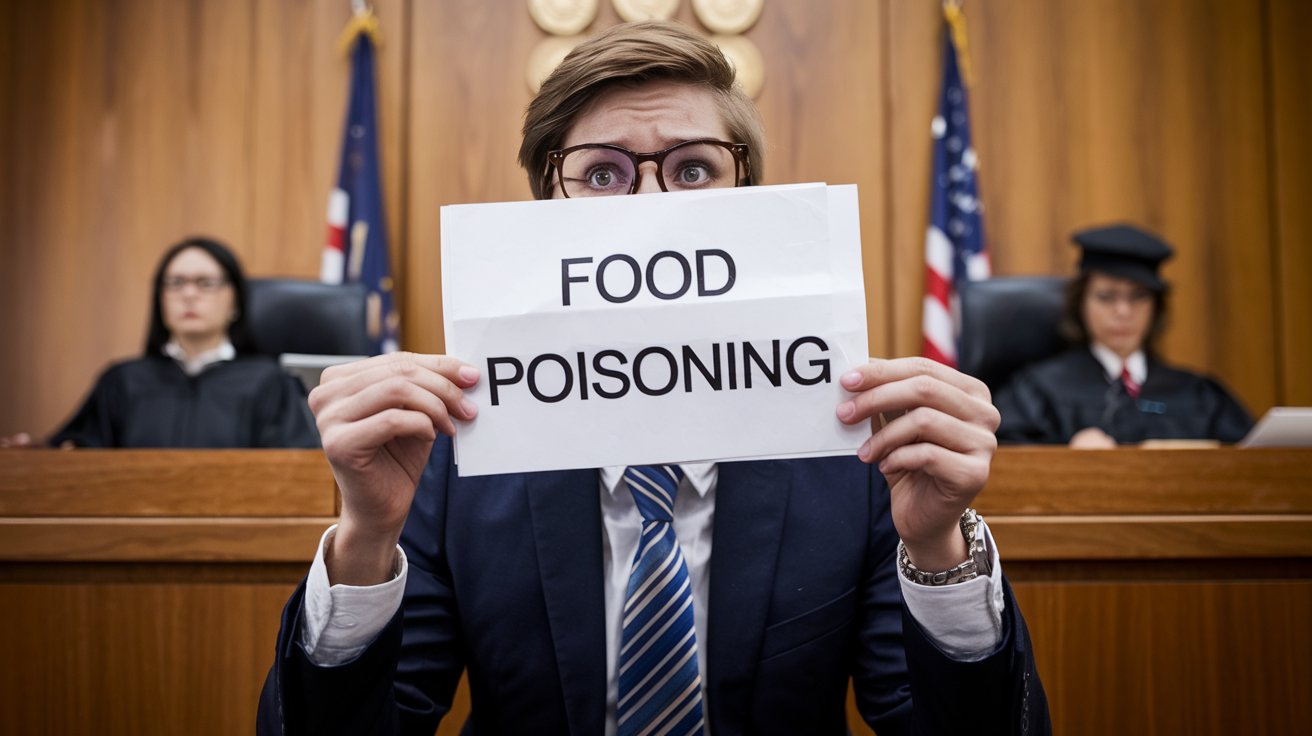
Food poisoning is akin to a sneaky thief, stealthily infiltrating the sanctity of your meal and wreaking havoc on your health. It can strike unexpectedly, leaving you questioning the integrity of what you consume. In the unfortunate event that you find yourself plagued by this affliction, many ponder the possibility of taking legal action. Can you sue for food poisoning? The answer isn’t as straightforward as your last meal. This article delves into the myriad intricacies of pursuing legal recourse for foodborne illness.
Understanding Food Poisoning
Food poisoning manifests when pathogens—bacteria, viruses, or parasites—contaminate food or beverages. This becomes a convoluted tapestry, as the symptoms can range from stomach cramps and diarrhea to fever and nausea, often mimicking other illnesses. The causes are various, stemming from undercooked meats and raw vegetables to improperly handled food in restaurants. Each incident becomes a story unto itself, with potential actors lurking in the kitchen shadows.
The Legal Framework of Food Poisoning Cases
First and foremost, it is essential to understand the legal framework that governs food poisoning lawsuits. Many jurisdictions operate under the umbrella of negligence laws. Here, the burden of proof often lies with the victim or claimant, who must establish that the food purveyor acted with negligence. Establishing negligence entails presenting evidence that proves the food provider failed to meet a standard of care, thereby breaching their duty to ensure safe food practices.
From the Plate to the Courtroom: Steps to Take After Falling Ill
Should you find yourself grappling with the repercussions of food poisoning, there are several vital steps to take:
- Seek Medical Attention: Before anything else, prioritize your health. Consult with a healthcare professional to document your symptoms and receive treatment.
- Preserve Evidence: If possible, retain the food in question. This can be vital for any legal proceedings that may follow. Documentation in the form of receipts or photos may also bolster your case.
- Gather Witness Statements: If you dined with others, obtain testimonies from them regarding their health status post-meal.
- Maintain a Symptom Journal: Keep a meticulous record of your symptoms, including dates and times, which can serve as critical evidence of your experience.
Who Can Be Held Liable?
To pursue legal action, one must decipher who holds responsibility for the foodborne illness. This can encompass a variety of entities:
- Restaurants and Food Vendors: If the food was consumed at a restaurant, they may be the most straightforward party to hold accountable.
- Food Manufacturers: In cases where packaged food leads to illness, manufacturers and distributors may be liable.
- Grocery Stores: If contaminated produce is purchased, the grocery store may also bear some responsibility.
The Role of Regulatory Bodies
Compounding this framework are regulatory agencies such as the U.S. Food and Drug Administration (FDA) and state health departments. These entities monitor food safety and can launch investigations into potential outbreaks. Their findings can provide invaluable assistance in substantiating your claims.
Types of Claims: Tort Law Explained
Moving deeper into the labyrinth of legal action, it’s critical to differentiate between the types of claims that can be pursued:
- Negligence Claims: Most common, requiring proof of a breach of duty regarding food safety standards.
- Strict Liability Claims: This approach shifts the burden of proof. In certain circumstances, proving fault may not be necessary, particularly when dealing with defective products.
- Intentional Misconduct: Rare, this applies when a food provider knowingly served contaminated food.
Potential Damages
If you successfully navigate this intricate legal maze and its various tributaries, damages may be awarded. These can include:
- Medical Expenses: Any costs incurred for treatment and recovery.
- Lost Wages: Compensation for time off work due to illness.
- Pain and Suffering: Damage for the distress, discomfort, and, at times, long-term health repercussions.
Consulting a Legal Professional
Given the multifaceted nature of food poisoning cases, consulting with an attorney experienced in personal injury law is imperative. They can provide guidance on whether you have a viable claim and assist in navigating the judicial currents that lie ahead.
The Prospect of Lawsuits: A Cautionary Tale
While suing for food poisoning is certainly possible, it can be a daunting endeavor. The legal road can be fraught with obstacles, and the burden of proof can prove onerous. Moreover, the emotional toll and financial strain of litigation should also be taken into account. As with any legal action, weighing the pros and cons of proceeding will guide you toward the most prudent choice.
In conclusion, food poisoning is not merely a fleeting inconvenience but a battle that can invoke the prospect of legal action. Understanding the nuances of when and how to sue can empower you on your journey toward justice. By navigating the complexities with careful consideration and informed counsel, you can emerge from this harrowing experience, ensuring that your voice is heard and that accountability prevails.











Leave a Comment