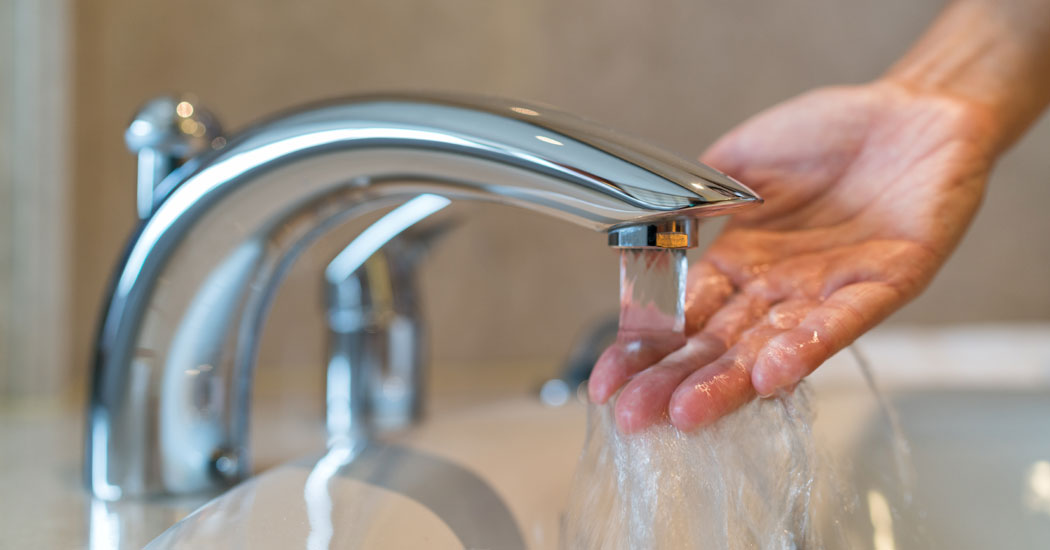
Observing the gentle yet resolute nature of a water heater brings forth a unique curiosity. It operates tirelessly, yet the duration it takes for the water to warm is often underestimated. This phenomenon is not merely a fleeting thought; it encompasses several factors that reveal the intricate workings behind these common household appliances. Understanding these aspects not only satisfies curiosity but also informs prudent usage and maintenance.
When pondering the question, “How long does it take for a water heater to heat up?”, one must first consider the type of water heater in question. There are primarily three types of water heaters: traditional tank, tankless, and heat pump water heaters. Each type has distinct heating times that are determined by its design and operating mechanisms.
1. Traditional Tank Water Heaters
Traditional tank water heaters are ubiquitous in many homes, characterized by their cylindrical shape and storage tanks. These heaters typically hold anywhere from 20 to 80 gallons of water. The time it takes to heat the water can vary significantly based on several factors.
On average, it can take anywhere from 30 minutes to several hours for a tank water heater to fully heat. This duration is influenced by heater capacity, the initial temperature of the water, and the wattage of the heating elements.
Moreover, one must consider the “first-hour rating,” which measures how much hot water the heater can supply in an hour, starting with a full tank of hot water. A higher capacity and wattage reduce the heating time, allowing for more instantaneous hot water availability for domestic needs.
2. Tankless Water Heaters
In contrast, tankless water heaters are engineered to provide an endless supply of hot water by heating water on demand. They are often compact and mounted on walls, making them a space-saving solution. The heating time for these units is much shorter—typically only a few seconds to generate hot water.
However, it is essential to note that the total flow rate for multiple outlets can affect performance. For example, if multiple faucets are running concurrently, the heater may struggle to maintain the desired temperature. Thus, while the initial wait is minimal, the ultimate heating capability can dictate the effectiveness in high-demand scenarios.
3. Heat Pump Water Heaters
Heat pump water heaters function differently, utilizing ambient air to heat the water. This environmentally-friendly option can take longer to heat initially, often requiring a couple of hours to provide a sufficient amount of hot water. The benefit of these systems lies in their efficiency, as they consume significantly less energy over time.
Understanding the heating time also necessitates consideration of the temperature rise required. The temperature rise is defined as the difference between the cold incoming water temperature and your desired hot water temperature. If you’re starting with particularly cold water, that can greatly extend the time before you can enjoy a hot shower or clean your dishes. Moreover, regulations often dictate optimal temperatures for safety and energy efficiency, typically around 120 to 140 degrees Fahrenheit.
Factors Influencing Heating Time
Several external factors can further impact the heating time of water. These include:
- Ambient Temperature: Colder ambient temperatures can slow down the heating process, particularly for heat pump models.
- Insulation Quality: Well-insulated tank water heaters will maintain temperature more effectively, while those lacking proper insulation may lose heat quickly, thus requiring longer heating times.
- Water Flow Rate: In tankless systems, the speed at which water is brought into the heater dictates the heating process. The higher the flow rate, the longer it may take to achieve the desired temperature.
- Water Quality: Mineral deposits can accumulate over time in both tank and tankless heaters, thereby impeding efficiency and increasing heating times. Regular maintenance and flushing can mitigate this issue.
Conclusion
The time it takes for a water heater to heat up encapsulates a fascinating interplay of technology, physics, and household management. From the traditional tank models that provide a steady supply of hot water at a measured pace to the instantaneous functionality of tankless systems, each type offers distinct advantages and challenges. Understanding these dynamics not only promotes better management of resources but also enhances appreciation for the engineering ingenuity that supports our daily lives.
By considering factors such as heating type, water temperature rise, and maintenance practices, one can optimize the performance of a water heater, ensuring efficient operations while minimizing energy costs. In the end, the inquiry regarding how long it takes to heat water transcends a mere timing concern; it weaves a narrative about the technologies that underpin our modern comforts.











Leave a Comment