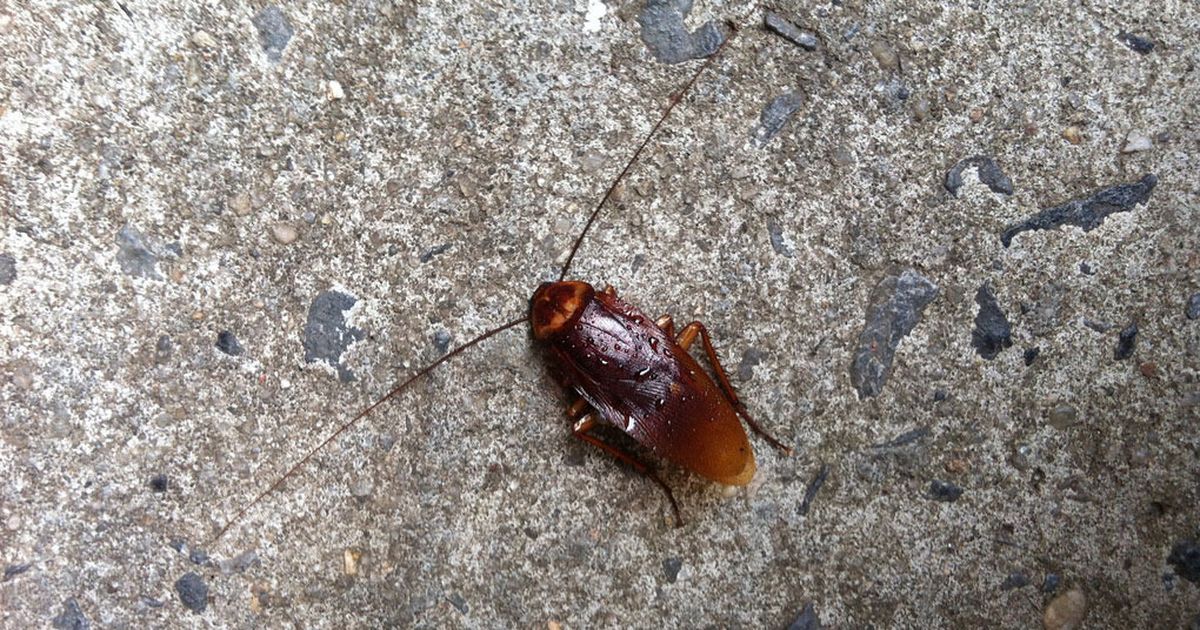
The world of cockroaches is both fascinating and perplexing. Often reviled as uninvited guests in our homes, these resilient insects evoke a strong aversion among many. However, understanding their relationship with temperature, particularly the cold, can radically shift our perception of these ubiquitous critters. This exploration seeks to unravel the intricate dynamics of how cockroaches interact with cold environments and what that means for their survival and our cohabitation with these tenacious scavengers.
To commence, it is essential to recognize the adaptability of cockroaches. As ectothermic creatures, their body temperature is largely governed by the ambient environment. This characteristic profoundly influences their metabolism, behavior, and survival strategies. In temperate conditions, roaches flourish, but the frigid climes present a significant challenge. Do roaches truly shun the cold? The answer is far from simple and reveals layers of complexity regarding their biology and behavioral patterns.
Firstly, it’s imperative to articulate that cockroaches are not inherently fond of cold temperatures. In fact, they tend to thrive in warm, humid environments where food and moisture are abundant. Species like the German cockroach or the American cockroach are commonly found in warm locales, thriving in temperatures ranging from 70 to 90 degrees Fahrenheit. Cold, therefore, is not a conducive factor for their proliferation. However, they have developed a suite of survival mechanisms to endure adverse conditions, including low temperatures.
One of the most notable adaptations is their remarkable resilience. Cockroaches have been known to enter a state akin to hibernation, called diapause, when faced with extreme cold. This physiological slowdown conserves energy and allows them to endure prolonged periods without food or warmth. As temperatures drop, their metabolic rate decreases, leading to reduced activity levels. They may become dormant, remaining hidden in crevices or other sheltered locations where warmth lingers, such as near heating ducts or appliances.
It is indeed curious to note that some species of roaches can survive temperatures as low as 32 degrees Fahrenheit. However, this tolerance is limited. Prolonged exposure to freezing temperatures will ultimately lead to their demise. Cockroaches’ bodies possess antifreeze proteins that lower the freezing point of their bodily fluids, providing a temporary safeguard against the chill. Nonetheless, these adaptations are not a guarantee of survival in the harsh conditions of winter’s wrath.
Understanding the habitat preferences of roaches further elucidates their aversion to cold. They are predominantly found in urban landscapes where they can leverage human structures’ warmth and shelter. Crevices, food sources, and proximity to heating provide an ideal microenvironment conducive to their growth. This propensity for warmth explains their common occurrence in basements, kitchens, and bathrooms—locations often insulated from the outside cold. Conversely, during colder months, if they venture outside, they typically seek refuge in underground burrows or within the insulation of buildings, demonstrating their desire to escape cold exposure.
Moreover, during winter months, many might wonder if roaches retreat from their urban haunts entirely. In truth, they do not disappear; they merely adapt their behavior. As temperatures drop, roaches tend to congregate in larger numbers, seeking warmth and sustenance in communal hiding spots. This gregarious behavior starkly contrasts with their typically solitary lifestyle, revealing their concerted efforts to combat the cold together. Such clustering offers not only warmth through shared body heat but also increases the chances of finding food.
Interestingly, this adaptability may lead to a misleading perception of cockroaches. The perception that they thrive solely in warm conditions oversimplifies their survival tactics. Researchers have observed a phenomenon known as “cold hardiness” in certain species, where some roaches can survive freezing temperatures by entering a dormant state. However, it is important to realize that this resilience comes at a cost. Hatchlings, in particular, are far more susceptible to cold than adults, making them an ongoing source of vulnerability during seasonal shifts.
Additionally, cold weather does not merely affect adult roaches—it also influences their reproductive cycles. Warmer climates tend to accelerate their breeding patterns, resulting in rapid population increases during warmer months. Yet, as colder temperatures set in, these cycles slow, delaying reproduction and dispersal. This natural rhythm highlights the delicate balance between temperature and survival, painting a vivid picture of their life cycle intricately intertwined with environmental conditions.
As we reflect on the complex relationship between cockroaches and cold, it becomes abundantly clear that these creatures are far more than mere nuisances. Their ability to withstand adverse conditions and adapt to fluctuating temperatures speaks volumes about their evolutionary history. Rather than viewing them solely through the lens of revulsion, we might consider the resilience and tenacity they embody.
In conclusion, although cockroaches do not favor cold environments, their remarkable adaptations allow them to endure the chill and even thrive under the right conditions. As they seek warmth and nourishment, their behavioral patterns reveal a survival strategy that is as intriguing as it is complex. Whether we encounter roaches within our homes or outside our doors, a newfound understanding of their affinity for warmth might transform our perspective on these often-misunderstood insects, urging us to appreciate the myriad surprises that nature holds.











Leave a Comment