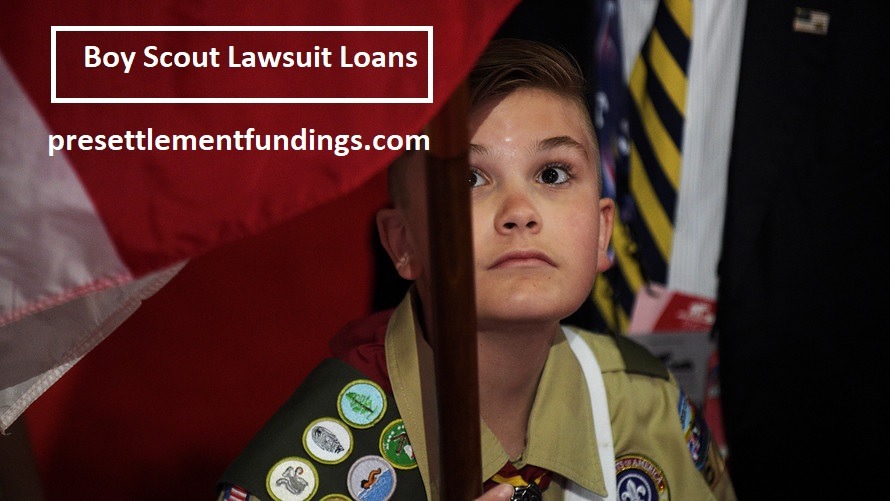
As the Boy Scouts of America (BSA) move towards resolution in their ongoing struggle with bankruptcy and compensation for survivors of sexual abuse, many are left pondering a critical question: When will Boy Scout victims get paid? As we approach 2026, the timeline grows increasingly complex, laden with challenges that could alter the course for thousands of victims seeking justice and restitution. This article delves into the intricate layers surrounding the issue, providing insight into the forthcoming years and addressing the broader implications of the situation.
The Context of the Settlement
The BSA filed for bankruptcy in February 2020, fundamentally shifting the landscape for those harmed while involved in scouting activities. The bankruptcy proceedings have primarily been structured to provide an avenue for compensation to victims who endured unimaginable trauma. Amid this tumultuous backdrop, the BSA proposed a reconciliation plan aimed at compensating survivors, establishing a trust fund estimated to be upwards of $2.7 billion.
While this sounds promising, the expectancy for many victims shifts from optimism to anxiety as they wait for precise allocations. The settlement fund is pivotal, but its actual distribution hinges on various factors such as the final approval of the bankruptcy plan, compliance from involved parties, and the continuous unraveling of litigation intricacies. A poignant question arises: can victims maintain faith in a system fraught with uncertainty?
Anticipated Timeline for Compensation
Initially, projections suggested that victims might begin receiving payments as early as 2021. However, numerous factors—including legal challenges, the negotiation of settlements with local councils, and the delineation of claims—have delayed disbursement significantly. The hope for payments to flow in 2026 is predicated not only on legal formalities but also on the successful navigation of the intricacies involved in distributing the trust funds.
As we look toward the horizon of 2026, a sense of anticipatory tension prevails. The BSA aims to finalize the bankruptcy plan, which must receive approval from the U.S. Bankruptcy Court. Consequently, significant deadlines loom, influencing the timeline of compensation. Among these, the plan’s confirmation likely represents a crucial milestone and will ultimately determine when funds may be allocated.
Legal Challenges Ahead
However, the pathway to compensation remains obstructed by a plethora of hurdles. Critical among these are additional legal challenges initiated by various opposing factions, such as local councils and insurance companies. In pursuing their interests, these entities may contest the BSA’s proposed reorganization plan, potentially causing further delays. The complications these disputes introduce could serve as a formidable barrier to timely restitution.
This complex dance of litigation begs another question: Are victims prepared for the protracted journey ahead? The emotional toll attached to the wait is substantial, highlighting the necessity for ongoing support systems for those affected.
The Role of Advocacy Groups
Throughout this arduous process, advocacy groups have played a crucial role in amplifying the voices of survivors. Organizations focused on providing resources, legal assistance, and emotional support have emerged as critical allies in navigating the labyrinth of claims and legalities. Their efforts not only facilitate advocacy but also ensure that victims feel less isolated in their battles. One must contemplate the significance of this solidarity: How vital is community to those who have suffered alone for so long?
Furthermore, these groups serve to hold BSA accountable. Continuous awareness campaigns and public discourse fueled by advocacy work can exert pressure on the BSA to adhere to deadlines and commitments. As legal complexities unfold, the importance of these organizations cannot be overstated. They remind us of our moral collective duty to stand alongside survivors.
Funding and Allocation of Compensation
The structure of compensation is set to impact victims in various capacities. The proposed trust fund aims to address claims across a broad spectrum, yet many fear the allocation may not reflect the severity of their experiences. Individuals who have suffered significantly may find themselves at odds with a system that attempts to reconcile numerous claims simultaneously.
The anticipated compensation framework is designed to prioritize cases based on the degree of harm and complexity. However, the specific mechanics of how these funds will be distributed remain contentious, with numerous stakeholders vying for consideration. This reality poses a dilemma: for victims seeking justice, will the allocation be equitable, ensuring the most grievous wounds are adequately acknowledged and compensated?
The Psychological Impact of Waiting
The prolonged duration of waiting can amplify feelings of anguish and frustration. Many victims grapple not only with the trauma of their pasts but also with the uncertainty that permeates their futures. The specter of compensation looms large, but the lag can exacerbate pre-existing emotional scars. It invites a challenging contemplation: Is waiting an additional form of trauma for survivors seeking closure?
Support structures, ranging from therapy groups to legal seminars, can be invaluable in mitigating the stress of uncertainty. Active engagement in these networks can provide solace, demonstrating to victims that they are not alone in their plight. Empowerment through shared experiences may offer pathways to healing even amid the chaos of the legal proceedings.
Conclusion
As we stand on the brink of 2026, the anticipation surrounding compensation for Boy Scout victims encapsulates a myriad of emotions—hope, frustration, and uncertainty. Various factors, including legal challenges, advocacy efforts, and emotional tolls, will likely shape the outcome of the ongoing saga of restitution. While the timeline may remain nebulous, the resilience exhibited by victims and their supporters serves as a testament to the indomitable human spirit. Ultimately, the journey to justice is not merely a quest for financial recompense; it is a pursuit for recognition, healing, and societal acknowledgment of the suffering endured by so many.











Leave a Comment