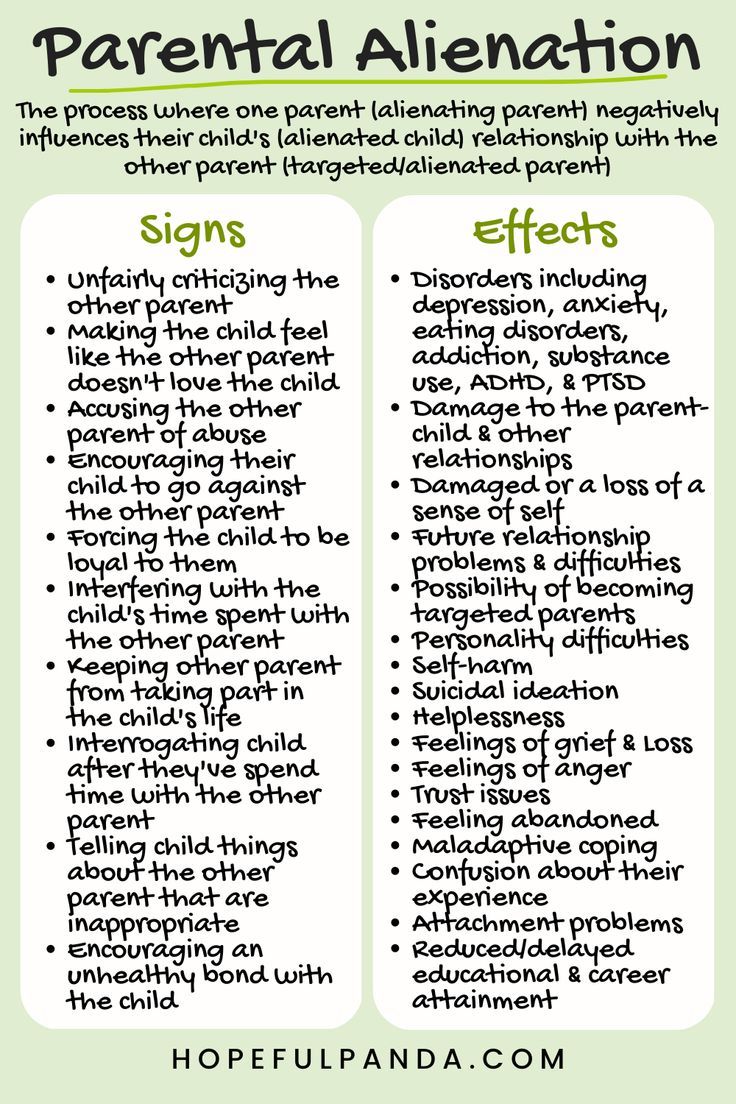
Parental alienation can be a subtle yet insidious phenomenon that adversely affects familial relationships. Have you ever found yourself torn between the adoration of a parent and the growing hostility from the other? This emotional tug-of-war can lead to a myriad of complications, not only for the children involved but also for the parents. Understanding the signs of parental alienation is crucial in mitigating its destructive impact. Here are 17 signs that may indicate a parent is trying to alienate a child from the other parent.
1. Disparaging Remarks
If a child frequently echoes negative sentiments about one parent, especially comments that seem out of place for their age, it might hint at alienation. When a child is subjected to disparaging remarks about one parent, they often internalize these views, leading to rejection based on hearsay rather than experience.
2. Adjusted Allegiances
Observe the way a child interacts with each parent. A sudden shift in loyalty—favoring one parent over the other without any significant cause—can be a red flag. If the child starts to demonstrably distance themselves from one parent, consider potential external influences.
3. Unfounded Fear
When a child exhibits irrational fears towards one parent, such as expressing fear of spending time alone with them, it’s an alarming sign. Such sentiments are often instilled by the alienating parent, manipulating the child’s emotional landscape to sow distrust.
4. Scenario Rehearsal
Does the child often recount detailed scenarios that paint one parent in an unfavorable light? If these instances seem rehearsed or overly elaborate, it may be the result of leading conversations or narrative molding by the alienating parent.
5. Enforced Distance
A child who is discouraged or outright forbidden from maintaining contact with one parent may be a victim of alienation. This kind of behavior can manifest through restricting phone calls or family visits, perpetuating isolation.
6. Excessive Guilt
When a child expresses guilt about wanting to maintain a relationship with one parent, it reveals a profound conflict. Alienation often forces children into emotional quandaries, compelling them to choose sides against their better instincts.
7. Selective Amnesia
If a child conveniently forgets their past positive experiences with one parent, this selective memory could indicate profound influence from the alienating party. Children should retain a spectrum of memories, rather than dismissive recollections that serve an agenda.
8. Manipulated Conversations
Pay attention to the way conversations unfold between the child and each parent. If discussions seem to revolve around comparing the two parents, that could be a technique employed in alienation. Children may feel pressured to articulate their preferences in ways that directly undermine the other parent.
9. Inconsistent Behavior
Child behavior can be a complex tapestry, yet noticeable inconsistencies in how they treat or talk about each parent are worth examining. Sudden shifts from affection to aversion may signal underlying emotional manipulation.
10. Rejection of Gifts and Affection
When a child visibly rejects gifts, gestures, or expressions of love from one parent without justifiable reason, it can indicate that they’ve been taught to deny or dismiss that parental affection. This behavior often underscores a problematic narrative concerning loyalty and acceptance.
11. Dismissive Attitudes
A child displaying contempt towards one parent—while continually idolizing the other—could be a signal of alienation. Such dismissive attitudes often take root in what they’ve been led to believe about that parent’s character and intentions.
12. Distorted Perception of Reality
Children caught in an alienation dynamic may present a skewed view of their reality, perceiving their experiences largely through a prism of hostility towards one parent. This distorted lens often clouds their ability to discern genuine affection versus fabricated narratives.
13. Overly Dramatic Responses
If a child’s reactions toward one parent are markedly disproportionate—reacting with extreme emotion to relatively benign situations—it suggests emotional instability that can be attributed to alienation. These exaggerated responses often stem from profound internal conflict and external pressure.
14. Obsession with One Parent
Watch for signs of obsession or fixations surrounding one parent. This phenomenon can surface as incessant chatter, relentless inquiries about that parent, or an overwhelming need for validation from them. Such behavior typically indicates emotional manipulation from the alienating parent.
15. Disregard for Boundaries
If a child demonstrates a blatant disregard for one parent’s boundaries, it may reflect a deeper narrative at play. This disrespect can often be traced back to the alienation process, encouraging behaviors that undermine healthy familial dynamics.
16. Relationship Breakdown with Extended Family
A child showing a lack of interest or negative feelings toward grandparents, aunts, uncles, or cousins linked to the alienated parent can signify broader ramifications of parental alienation. The child’s relational landscape may be engineered to align with the alienating parent’s sentiments.
17. Genuine Isolation
Lastly, if a child exhibits a trend of alienation or isolation from peers, it might be attributed to their home dynamics. Children embroiled in a parental alienation scenario often struggle to establish healthy relationships outside the family unit, finding it difficult to navigate their social lives due to the burdens they carry.
In conclusion, recognizing the signs of parental alienation can be imperative for fostering healthy family relationships and ensuring children’s emotional well-being. Interventions that address these signs can work wonders in helping to mend fractured bonds, allowing love and understanding to reclaim their rightful place in the familial landscape. The fragile emotional state of children necessitates a keen observation by caregivers, educators, and loved ones to mitigate the effects of such complex situations. Ultimately, creating an environment where both parents are positively acknowledged will lead to healthier emotional development and familial cohesion.











Leave a Comment