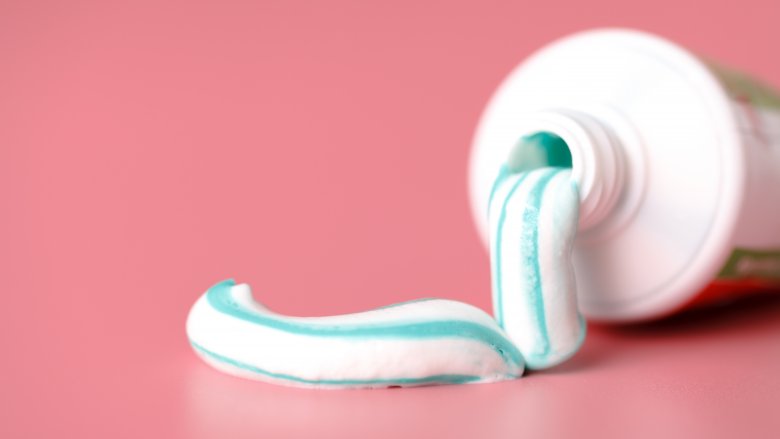
Brushing your teeth is a daily ritual, akin to conducting a symphony where each stroke of the toothbrush unveils a harmonious blend of cleanliness and care. But what if the harmony is disrupted? What if, in a moment of distraction, you accidentally swallow toothpaste instead of merely spitting it out? The consequences can be somewhat surprising. This exploration delves into the realm of swallowed toothpaste, unraveling its intriguing implications, potential hazards, and the body’s remarkable processes.
Understanding Toothpaste Composition
To fully comprehend the ramifications of swallowing toothpaste, it is essential to dissect its constituents. Toothpaste is an intricate concoction, meticulously crafted with:
- Fluoride: A mineral known for its tooth-strengthening properties.
- Abrasives: Tiny particles designed to polish teeth and remove plaque.
- Humectants: Substances like glycerin that prevent toothpaste from drying out.
- Surfactants: Ingredients such as sodium lauryl sulfate that create foam and aid in the cleaning process.
- Flavorings: Artificial and natural additives that lend the toothpaste its pleasant, minty essence.
Each ingredient serves a pivotal purpose, yet when ingested, the narrative shifts from a cleansing experience to a concerning health inquiry.
Initial Reactions to Ingestion
When you accidentally swallow a small amount of toothpaste, the body initiates its natural defense mechanisms. The stomach, a fortress adept at handling a multitude of substances, suddenly finds itself challenged by foreign ingredients. At this juncture, reactions may range from minimal to moderate discomfort. The most common immediate sensation is a peculiar aftertaste, accompanied by a slight tingling sensation in the throat.
However, should the quantity consumed exceed the standard pea-sized dollop, the scenario can take a more concerning turn. Toothpaste, particularly those with heightened fluoride content, can lead to more serious gastrointestinal disturbances. Common symptoms may include:
- Nausea, like a pirate’s curse, twisting your stomach in rogue waves.
- Vomiting, a chaotic release designed to expel the unwanted visitor.
- Diarrhea, a tumultuous journey through the bowels, as the body attempts to restore its internal balance.
Each symptom reflects the body’s intricate wisdom, working tirelessly to cleanse itself from the unintended intrusion.
Fluoride Toxicity: A Deeper Dive
Among the myriad of ingredients, fluoride often bears the brunt of concern. This potent mineral, while beneficial in minuscule doses, can have toxic effects when consumed excessively. The threshold for fluoride toxicity varies based on individual factors such as age, weight, and overall health. Symptoms of fluoride toxicity can manifest as:
- Fluorosis: A cosmetic condition resulting in white spots or streaks on teeth.
- Gastrointestinal distress: Prolonged nausea and discomfort, akin to a storm raging in your belly.
- Neurological impacts: More severe cases could inflict symptoms such as headaches and dizziness, leaving one in a fog.
Though the likelihood of reaching toxic levels through casual ingestion is minimal, vigilance remains paramount, particularly for small children who might be more prone to overconsumption.
Seeking Medical Attention
In moments of uncertainty, when the alarm bells ring in your mind after swallowing toothpaste, it is prudent to seek medical advice. While a single accidental swallow may not warrant an emergency room visit, a significant amount or the presence of distressing symptoms necessitates professional intervention. Medical practitioners can offer clarity, standing as vigilant sentinels against potential health hazards. It’s advisable to have the toothpaste tube at hand for reference; this aids healthcare professionals in assessing fluoride levels and other additives.
Promoting Safe Oral Hygiene Practices
To mitigate the risk of accidental ingestion, consider these conscientious practices:
- Supervise young children: Be the guardian of their dental hygiene, guiding them on the correct amount of toothpaste to use.
- Spit, don’t swallow: Instill the importance of proper spitting techniques, creating a mindful ritual around oral care.
- Educate on toothpaste ingredients: Familiarize family members with toothpaste components, fostering a culture of health consciousness.
These steps not only enhance safety but also enrich the overall experience of oral hygiene.
Conclusion: A Reflection on Smiles
Swallowing toothpaste may transform a routine dental care session into a tapestry of unforeseen circumstances. The delicate balance between cleansing and consuming becomes a metaphor for life itself, wherein small missteps can lead to a cascade of effects, yet knowledge and vigilance serve as our best allies. The oral cavity, a gateway to health and confidence, deserves respect and mindfulness. After all, a radiant smile not only reflects physical care but also embodies a narrative of well-being, diligence, and respect for one’s body. It is essential to embrace the ritual of oral hygiene not just as a chore but as a cherished act of self-care.









Leave a Comment