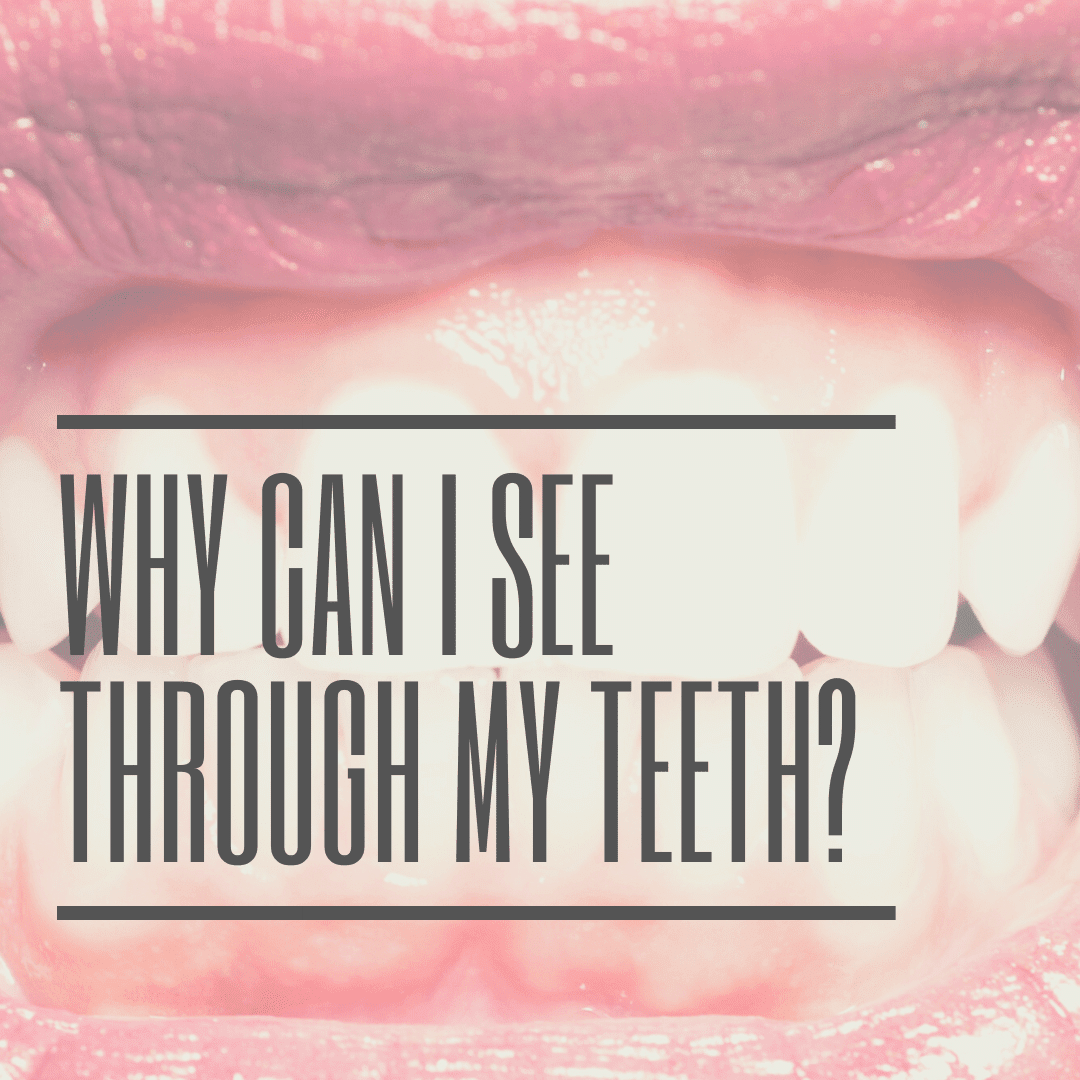
Have you ever caught a glimpse of your reflection in the mirror and noticed something peculiar about your smile? You might have observed that your teeth appear somewhat translucent or even see-through at the edges. This visual anomaly can be concerning and often leads to questions about dental health, beauty standards, and underlying well-being. Understanding the intricate reasons behind this phenomenon is essential for both your peace of mind and your dental health.
Translucent teeth can be attributed to a variety of factors—ranging from biological processes to lifestyle choices and oral hygiene habits. In this article, we will explore the multifaceted reasons behind see-through teeth, delve into the science of enamel, and offer insights into preventive measures and treatments.
Understanding Tooth Anatomy
Before diving into the causes, let’s examine the structure of a tooth. Each tooth is composed of different layers: the enamel, dentin, and pulp. Enamel, the hardest and most mineralized substance in the human body, is the outermost layer that provides protection for the inner layers. However, it is not impervious to damage or wear.
The Role of Enamel
Enamel is primarily composed of hydroxyapatite, a crystalline structure formed of calcium and phosphate. This calcified layer not only shields the underlying dentin but also contributes to the overall aesthetic appearance of your smile. The thickness and translucency of enamel can vary greatly from person to person, influenced by genetics, diet, and lifestyle. A decrease in enamel thickness can lead to the revelation of the yellowish dentin beneath, resulting in a see-through effect.
Common Causes of Translucent Teeth
Several factors can contribute to the translucency of teeth. Below, we delve into the most common culprits:
1. Enamel Erosion
Enamel erosion is arguably the most prevalent cause of translucent teeth. Acidic foods and beverages—like citrus fruits, soft drinks, and wine—can wear away enamel over time. Additionally, conditions such as gastroesophageal reflux disease (GERD), which causes stomach acids to flow back into the esophagus, can exacerbate enamel erosion. The result is teeth that seem thinner and more transparent at the edges.
2. Genetics
Genetics also play a pivotal role in determining the thickness and translucency of enamel. Some individuals are predisposed to thinner enamel or variations in its mineral composition, which can significantly impact tooth appearance. If you notice that see-through teeth run in your family, a genetic predisposition could be a contributing factor.
3. Dental Conditions
Certain dental conditions can contribute to translucency. For instance, conditions like amelogenesis imperfecta affect enamel development, leading to abnormal thickness and translucency. As a result, such conditions might be evident from a young age, making them noticeable early in life.
4. Habits and Lifestyle Choices
Our daily habits significantly influence dental health. For example, habits like grinding or clenching teeth (bruxism) can lead to enamel wear. Smoking and tobacco use can also stain teeth and contribute to long-term enamel degradation. Regular snacking on sugary or acidic foods without proper brushing can likewise lead to accelerated enamel erosion.
5. Age
As we age, our enamel naturally wears down, gradually revealing the more porous dentin beneath. The aesthetic changes that occur over time can be perceived as increasements in tooth translucency. This process is exacerbated by a lifetime of dietary choices and dental care practices.
Implications of Translucent Teeth
The implications of having see-through teeth extend beyond aesthetics. Translucent teeth can indicate underlying health issues, particularly regarding oral hygiene and dietary choices. Those with eroded enamel are often at increased risk for cavities, tooth sensitivity, and other dental complications. Understanding the potential consequences is crucial for proactive dental care.
Treatment and Prevention Strategies
Fortunately, there are several methods for addressing translucent teeth, as well as preventive measures to maintain optimal dental health:
1. Consult a Dentist
If you notice significant changes in your teeth, scheduling an appointment with your dentist is a critical first step. A dental professional can conduct a thorough examination and recommend treatments tailored to your specific needs.
2. Dietary Adjustments
Limiting acidic foods and beverages can help protect enamel. Incorporating foods rich in calcium and phosphorus, such as dairy products, leafy greens, and nuts, can aid in the remineralization of enamel.
3. Oral Hygiene Practices
Maintaining rigorous oral hygiene is paramount. Brushing with fluoride toothpaste and using mouthwashes that contain fluoride can help fortify enamel. Flossing daily removes food particles and plaque, promoting gum health.
4. Use of Dental Sealants
Dental sealants, thin protective coatings applied to the chewing surfaces of back teeth, can help protect enamel from decay and erosion. Consult your dentist regarding the appropriateness of sealants for your situation.
Conclusion
While the phenomenon of translucent teeth may initially provoke concern, understanding the underlying causes can alleviate anxiety and empower you to take proactive measures for maintaining your dental health. From genetic predispositions and dietary choices to age-related wear, each factor contributes to the translucency of teeth in unique ways.
Fostering awareness of the importance of tooth enamel and how to nurture it will not only improve the aesthetics of your smile but also contribute to long-lasting oral health. Embracing preventive strategies can enhance your dental experience and help ensure that your teeth remain robust and vibrant for years to come.











Leave a Comment