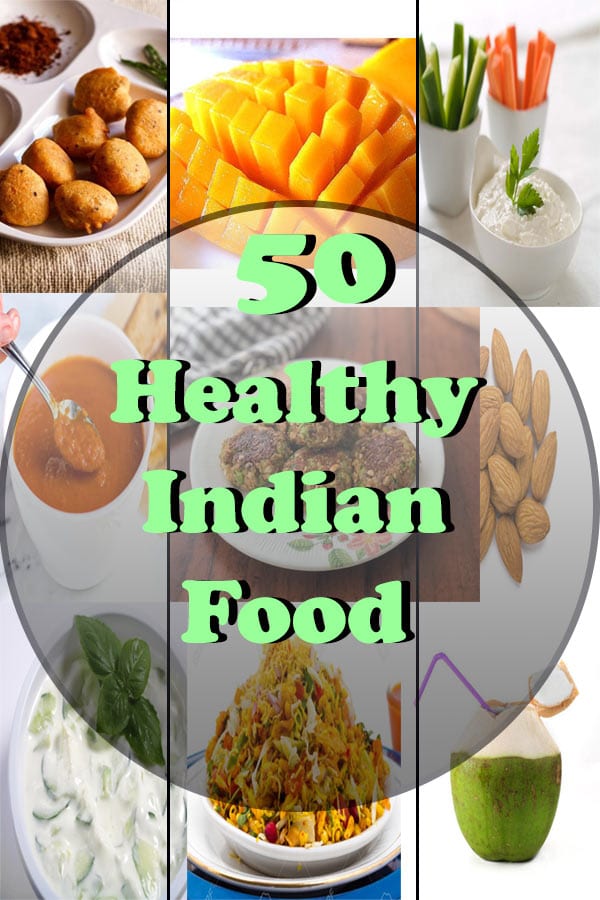
When one thinks of Indian cuisine, visions of vibrant spices, aromatic herbs, and visually arresting dishes dance in the mind. But amid the kaleidoscopic food landscape lies an intriguing question: Is Indian food healthy? Much like the intricate patterns of a traditional Indian tapestry, this question weaves together myriad threads of nutrition, culture, and culinary tradition that, when examined, present a rich tableau of health benefits and potential pitfalls.
At the very essence of Indian food is the philosophy of balance. Traditional Indian cooking often draws from the principles of Ayurveda, a holistic system of medicine that emphasizes harmony between body, mind, and spirit. This ancient doctrine teaches that food is not merely fuel but a vital component of health that should cater to one’s dosha—individual constitution. Herein lies the first compelling argument for the healthfulness of Indian cuisine: it is imbued with the understanding that different foods serve different purposes for different people, making it a highly personalized approach to nutrition.
One cannot delve into the health attributes of Indian food without first acknowledging the symphony of spices that adorn each dish. Ingredients such as turmeric, ginger, cumin, and coriander not only add depth and flavor but also possess remarkable medicinal properties. Turmeric, for instance, is celebrated for its anti-inflammatory and antioxidant effects, while ginger is a renowned digestive aid. These spices, akin to a conductor guiding an orchestra, work synergistically to create a culinary experience that is both flavorful and healing.
Furthermore, legumes and pulses, staples in the Indian diet, contribute to its nutritional profile. Dals—various types of lentils—are protein-rich and are often accompanied by rice or whole wheat chapatis, making for a wholesome, balanced meal. This marriage of carbohydrates and proteins echoes the nutritional philosophy of complete meals, echoing the sentiment that nourishment is not just about individual components but about the harmonious blend of ingredients that work in unison to sustain life.
Vegetables play an equally pivotal role in Indian fare. Traditionally, meals are embellished with a cornucopia of seasonal vegetables, organized under the guiding light of regional availability. Dishes such as palak paneer (spinach and cheese) or mixed vegetable curry showcase a vibrant palette that not only pleases the eye but also delivers a punch of vitamins and minerals essential for robust health. The emphasis on fresh produce garners a noteworthy discussion on the role of plant-based nutrition in maintaining vitality.
Yet, the exquisite allure of Indian food is often shadowed by its notorious companions: fried snacks and creamy curries. While traditional dishes like samosas and pakoras are delectable, their high levels of saturated fats and calories can make them a double-edged sword in the health arena. It is essential to delve deeper and make discerning choices, opting for grilled or steamed variants when possible, which can transform indulgence into a healthier experience. The same applies to rich sauces often laden with cream and ghee; moderation remains paramount.
The act of eating in India is often a communal one, celebrated amid the company of family and friends, contributing to the psychological benefits of shared meals and their profound impact on emotional well-being. Studies reveal that communal dining can boost feelings of happiness and belonging, further solidifying the notion that food is intrinsically tied to our overall well-being. However, the challenge arises when portions exceed moderation, leading to an overabundance that defeats the purpose of healthful eating.
Moreover, the role of fermentation in Indian cuisine cannot be overlooked. Fermented foods like idli and dosa are not just staple breakfast items; they are repositories of probiotics, championing gut health amidst a backdrop of lactose intolerance that many Indians contend with. The inclusion of fermented elements serves as a reminder that ancient techniques can underpin modern-day health practices, creating an explosion of good bacteria that promotes digestive harmony.
In the quest for healthy eating, it is vital to recognize personal health goals, as no diet fits all. The kaleidoscope of Indian cuisine offers something for every palate and preference. Transitioning towards a more health-conscious approach does not mean abandoning the rich flavors and beloved dishes of Indian cuisine. Instead, it invites an evolution—incorporating more whole grains, fresh vegetables, and lean proteins while trimming excessive fats and sugars. This evolution echoes the dynamic nature of the cuisine itself, forever adapting while remaining rooted in its tradition.
Ultimately, the question of whether Indian food is healthy does not yield a simple yes or no answer. Rather, it invites an exploration of intention, choice, and balance. Each meal unfolds as a narrative steeped in age-old wisdom, intricate flavors, and nutritional possibilities. By navigating through the colorful traditions of Indian cuisine, one can partake in a journey that not only delights the palate but also nourishes the body and soul.
As we close the chapter on this culinary quest, it becomes evident that Indian food, with all its spice and fervor, can indeed be a beacon of health when approached with mindfulness. Embrace the vibrant choices, partake in the joy of communal dining, but above all, persist in understanding that health—the finest ingredient of all—lies not just within the food but in the heart of those who prepare and savor it.









Leave a Comment