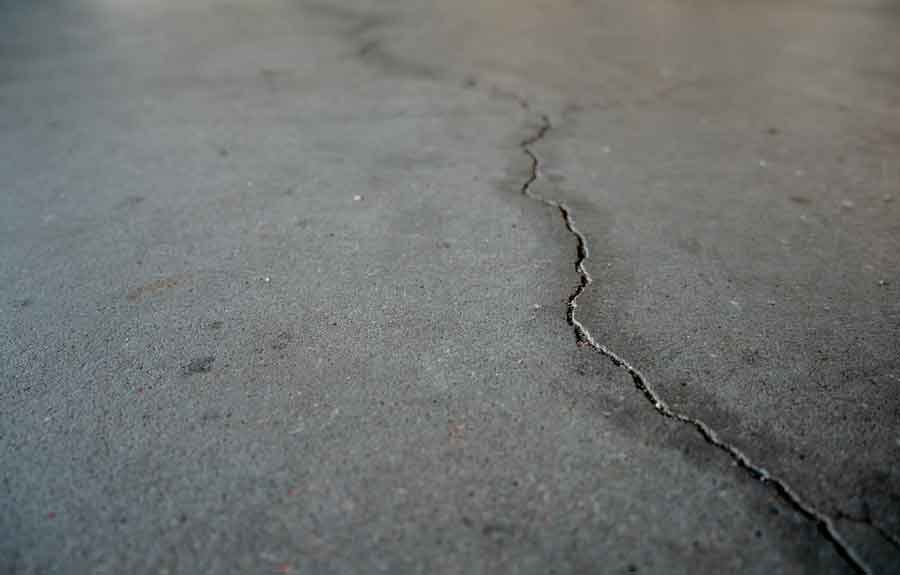
Cracks in your garage floor can be more than just an unsightly blemish on an otherwise functional space; they can signal potential issues that require attention. Understanding the different types of cracks, their causes, and how to address them can prolong the life of your garage floor and maintain the value of your home. The following comprehensive guide delves into various dimensions of this topic, ensuring an informative read.
1. Understanding Garage Floor Cracks
To tackle the problem effectively, one must first grasp the nature of the cracks. Garage floors are typically made from concrete, a material that can be prone to cracking due to inherent characteristics. Concrete’s physical properties, including shrinkage during curing and susceptibility to temperature fluctuations, can contribute to the development of cracks over time.
2. Types of Cracks
The myriad types of cracks that can appear on a garage floor can be broadly categorized as follows:
a. Hairline Cracks
These superficial clefts usually measure less than 1/8 inch in width. Hairline cracks, while primarily cosmetic, can indicate underlying issues, particularly if they proliferate. They often stem from normal shrinkage as concrete cures.
b. Shrinkage Cracks
This type of crack occurs when concrete dries and contracts. Generally, they are relatively narrow and spread across the surface. Shrinkage cracks are typically not a cause for alarm unless they intensify, suggesting a possible structural flaw.
c. Settlement Cracks
Arising due to soil settling beneath the concrete slab, settlement cracks can be more concerning. They may be wider or more pronounced, indicating that the foundation is shifting or sinking. These cracks can pose significant risks if not addressed promptly.
d. Structural Cracks
Structural cracks signal definitive issues with the concrete slab’s integrity. Often wider than 1/4 inch, these fissures indicate that the garage floor may be experiencing substantial stress or shifting due to poor construction or excessive weight. Consulting a professional is usually recommended in such cases.
3. Identifying Causes
Once you understand the types of cracks, it is essential to identify their underlying causes:
a. Environmental Factors
Temperature fluctuations and humidity can exacerbate cracking in garage floors. Extreme weather conditions can lead to thermal expansion and contraction, stressing the material.
b. Poor Installation
Inadequate preparation, such as improper mixing ratios or insufficient curing time, can lead to a compromised installation. Additionally, failing to use reinforcements like steel mesh can result in weakened concrete prone to cracking.
c. Soil Movement
Shifting soils can result from improper drainage, tree roots, or natural settling. One must consider the geographical location and soil composition when addressing these issues.
d. Heavy Loads
Constant exposure to heavy vehicles, machinery, or stored materials can overburden the floor, leading to cracks, particularly if the slab was not designed to support such weight.
4. Inspection and Assessment
Regular inspections can help detect cracks early. Look for patterns and sizes; this can guide your assessment. By adhering to a routine schedule, you can evaluate any changes and determine whether they exacerbate over time.
5. Repairing Cracks
Repair methods vary in complexity, and it is crucial to select the appropriate technique based on the crack type:
a. Hairline Crack Repair
These can often be treated with a simple epoxy filler or crack-resistant sealant. Ensure the area is clean and dry before application for optimal adhesion.
b. Shrinkage Crack Repair
For shrinkage cracks, filling the gap with a flexible sealant can provide a durable solution and prevent water intrusion, which can exacerbate the problem.
c. Settlement Crack Solutions
Addressing settlement cracks often requires professional intervention. Techniques such as mudjacking or underpinning may be necessary to stabilize the foundation and correct underlying soil issues.
d. Structural Crack Management
Immediate consultation with a structural engineer is essential to address these issues. Repair may involve comprehensive methods, including carbon fiber reinforcement, epoxy injection, or complete slab replacement.
6. Preventive Measures
Taking proactive steps can mitigate the risk of future cracks:
a. Proper Drainage
Ensure that the area surrounding the garage has adequate drainage to prevent water from pooling around the foundation. This alleviates pressure on the concrete slab.
b. Regular Maintenance
Routine maintenance, including sweeping debris and sealing surface cracks, can prevent deterioration over time. Periodic resealing of the floor can also shield against moisture infiltration.
c. Weight Distribution
Be mindful of how weight is distributed in the garage. Utilize shelves and storage solutions to prevent undue pressure on specific sections of the floor.
Conclusion
Cracks in a garage floor might seem like a minor nuisance at first glance, but they can be indicative of larger issues needing immediate attention. Understanding the various types of cracks, their causes, and the corrective measures available is crucial for every homeowner. Regular inspection and proactive maintenance can help to ensure the integrity of your garage floor, ultimately preserving the functionality and value of your home.










Leave a Comment