Toilet paper—a mundane yet essential commodity—is often overlooked despite its ubiquitous presence in our daily lives. Yet, one curious question persists: How long is a toilet paper roll? The answer may seem simple, but the intricacies surrounding it reveal much about its varieties and uses, influencing consumer choices and the overall market. In this exploration, we’ll dive into the different dimensions of toilet paper rolls, examining standard sizes, variations among manufacturers, and even broader implications regarding material composition and sustainability.
1. The Standard Length
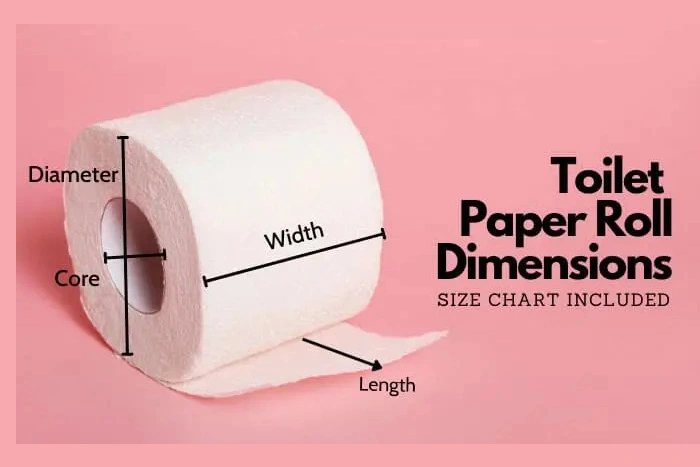
Traditionally, a standard roll of toilet paper measures around 4.5 inches in diameter and approximately 3.7 inches in width. However, the actual length of the paper itself varies. Most standard rolls boast about 300 sheets, which translates to roughly 150 feet of usable toilet paper. This length represents the minimum threshold that many consumers expect, although some brands aim to provide even more.
2. Variations in Roll Length
Not all toilet paper is created equal, and various brands offer rolls of differing lengths and sheet counts. Double rolls typically contain 400 sheets or more, effectively doubling the amount found in standard rolls. For the environmentally conscious consumer, brands now manufacture eco-friendly rolls that prioritize both sustainability and convenience, featuring similar sizes but using recycled paper. These rolls often contain around 240 sheets, but manufacturers tout their durability and absorbency as compensatory benefits.
3. Mega and Jumbo Rolls
For avid users, mega rolls and jumbo rolls offer an attractive solution, allowing more toilet paper per purchase. A mega roll can exceed 400 sheets, while a jumbo roll might include over 1,000 sheets, catering to high-traffic bathrooms or families with numerous members. The dimensions of these larger rolls are substantially different, with the mega roll typically measuring around 5 inches in diameter and the jumbo roll sometimes reaching heights close to 6 inches. This shift in scale can impact bathroom aesthetics and usability, challenging small storage spaces.
4. Specialty Rolls
Beyond the standard and large varieties, specialty rolls exist to cater to niche markets. Try bathroom tissue suitable for septic systems, which often come in smaller, more dissolvable sheets to prevent clogging issues. Alternatively, novelty rolls with unique patterns or colors can be found, appealing to consumers seeking a touch of whimsy. These specialty products might not adhere strictly to standard lengths but provide unique selling propositions that attract interested buyers.
5. The Core Factor
The core of the toilet paper roll—often made from cardboard—also contributes to its overall dimensions. Most core diameters are around 1.5 inches, although some environmentally friendly options utilize a smaller core to save materials. This transformation can influence how the toilet paper sits on dispensers and its overall consumer experience.
6. Dispensers and Compatibility
Consumer experience is not solely dictated by the roll’s length; the compatibility of the roll with dispensers also plays a crucial role in user satisfaction. Standard dispensers typically accommodate regular and double rolls, while specialized models are necessary for mega and jumbo sizes. This compatibility often varies between public and private restroom environments, necessitating the consideration of both user habits and requirements.
7. Marketing Considerations
Toilet paper brands invest considerable resources into marketing their products, emphasizing the length and quality to capture consumer attention. Buzzwords like “ultra-plush,” “extra absorbent,” or “softness” often accompany mentions of the roll length. Companies may even advertise sheets-per-roll as a way to establish product superiority, compelling buyers to see the value in their offering.
8. Environmental Impact
Length can also have implications for sustainability. Longer rolls with a higher sheet count minimize packaging waste, aligning with consumer preference for eco-conscious practices. Even though one may purchase fewer rolls, brands still need to ensure the use of sustainable materials to maintain their appeal amidst growing environmental awareness.
9. Cultural Differences
Geographically, toilet paper roll sizes can change. In certain regions, smaller rolls may dominate, while in others, larger variants reign supreme. For instance, some Asian countries primarily use bidets, significantly affecting toilet paper demand. This cultural juxtaposition can offer insights into international markets and consumer habits.
Conclusion
The length of a toilet paper roll might initially appear trivial compared to the myriad choices available in today’s market. However, understanding the nuances—from standard rolls to specialty options—enriches one’s perspective on this commonplace product. As consumer preferences evolve and sustainability becomes a focal point, these lengths, and their consequential implications, will inevitably shape the future of toilet paper offerings. So next time you reach for a roll, appreciate the dimensions and variations that fill such an essential space in modern life.











Leave a Comment