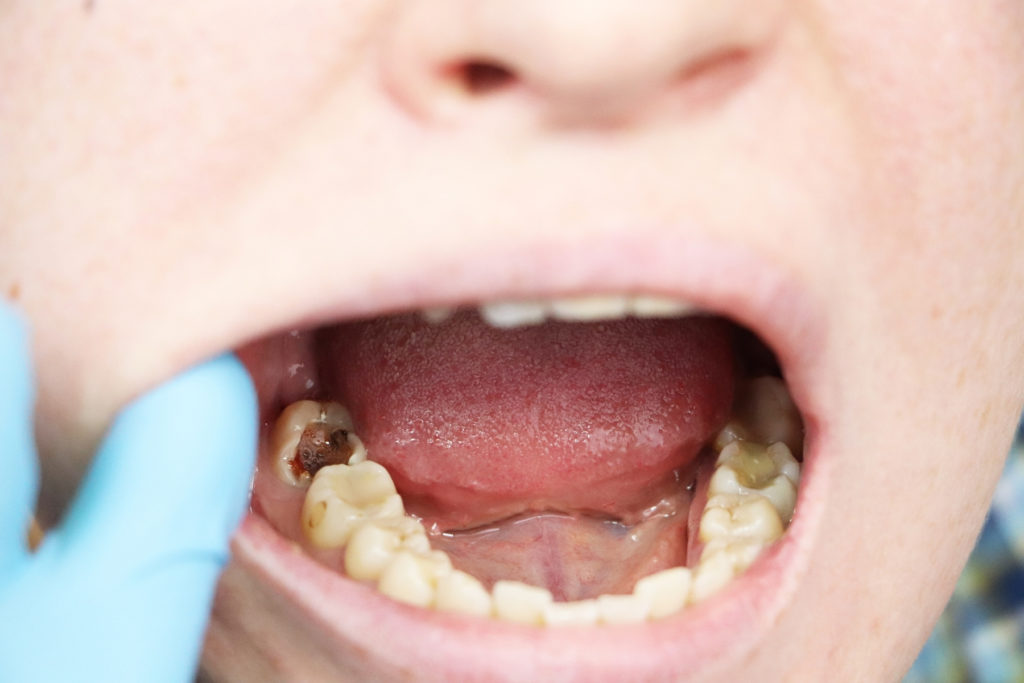
When it comes to dental health, few topics arouse as much concern and curiosity as cavities. These small, demineralized spots on the teeth can lead to discomfort, pain, and further dental complications if left untreated. However, many people wonder: do cavities go away on their own? This article will delve into the complexities surrounding cavities, the stages of tooth decay, and the ways to manage and potentially reverse early signs of cavities.
Before exploring whether cavities can vanish, it’s essential to understand the composition of teeth and the nature of tooth decay. Teeth are primarily made up of a hard outer layer known as enamel, which protects the inner layers containing dentin and pulp. When bacteria from food particles or sugars in the mouth produce acid, they can erode this enamel, ultimately leading to cavities.
Understanding Cavities and Their Formation
Cavities, also known as dental caries, develop through a multi-step process. They typically begin when the enamel suffers acid attacks from plaque, a sticky film of bacteria that forms on teeth. There are several stages of tooth decay:
- Initial Demineralization: This stage is characterized by a white spot or discoloration on the enamel. It indicates that the enamel is losing minerals, which can sometimes be reversed with proper oral care and treatments.
- Enamel Decay: If the demineralization progresses, the enamel weakens and forms a cavity. At this stage, the damage is typically irreversible without intervention.
- Dentin Involvement: If the cavity reaches the dentin, patients may experience sensitivity or pain, as this layer is less dense and more susceptible to decay.
- Pulp Inflammation: In severe cases, decay reaches the pulp, leading to infection and requiring more complex treatments such as root canals.
Understanding these stages provides insight into the question of whether cavities can dissipate on their own. The answer is nuanced and depends significantly on how early the decay is caught and the interventions applied.
Early Stages: Can Cavities Reverse Themselves?
The initial stage of tooth decay, marked by demineralization, offers a glimmer of hope. In this phase, enamel can potentially remineralize through various methods. The key to facilitating this process lies in a strong oral hygiene regimen and dietary choices. For example:
- Fluoride Treatments: Fluoride, a naturally occurring mineral, can enhance remineralization. Many toothpastes and mouth rinses contain fluoride, and dental professionals may offer fluoride treatments to encourage recovery from early demineralization.
- Dietary Adjustments: Reducing the consumption of sugary and acidic foods and beverages can prevent further demineralization. Incorporating mineral-rich foods, such as dairy products, nuts, and leafy greens, can also support enamel health.
- Saliva Production: Saliva plays a critical role in maintaining oral health, as it neutralizes acids and provides minerals. Staying hydrated and chewing sugar-free gum can aid in saliva production.
By addressing cavities at this early juncture and implementing these preventive strategies, it is conceivable for some cavities to “go away” or reverse. However, it’s essential to understand that this is feasible only before extensive decay sets in.
The Irreversible Nature of Advanced Cavities
As cavities progress into the later stages—particularly if they breach the enamel and affect the dentin or pulp—self-resolution becomes impossible. In such cases, dental intervention is necessary to restore tooth health. Procedures range from fillings to more advanced treatments like crowns or root canals. Neglecting these advanced cavities often leads to further complications, such as abscesses or the need for extractions.
Professional Intervention: A Necessity Not an Option
Considering the irreversible ramifications of advanced decay, regular dental check-ups play a pivotal role in cavity management. Dentists can identify early signs of cavities and recommend appropriate treatments before they escalate into more significant issues. Furthermore, professional cleanings help remove plaque buildup that a routine brushing may miss, thereby reducing the risk of cavities.
Preventative Measures: The Best Approach
A proactive approach is imperative for maintaining optimal oral health and preventing cavities altogether. Here are some effective strategies to consider:
- Regular Brushing and Flossing: Committing to brushing at least twice a day and flossing daily can drastically reduce plaque buildup.
- Dental Sealants: Dental professionals may recommend sealants, which are protective coatings applied to the chewing surfaces of back teeth, to prevent cavities.
- Routine Dental Visits: Establishing a schedule of biannual dental visits ensures early detection and intervention.
- Education: Understanding the bacteria-cavity connection can empower individuals to make healthier choices that support long-term dental health.
Conclusively, while early-stage cavities may have the potential to reverse under the right circumstances, once they progress beyond a certain point, professional intervention is imperative. Maintaining robust oral hygiene practices combined with regular dental check-ups is crucial to preserving your dental integrity and preventing cavities altogether. In the grand tapestry of oral health, vigilance, education, and proactive care are the ultimate safeguards against the onset of cavities.








Leave a Comment