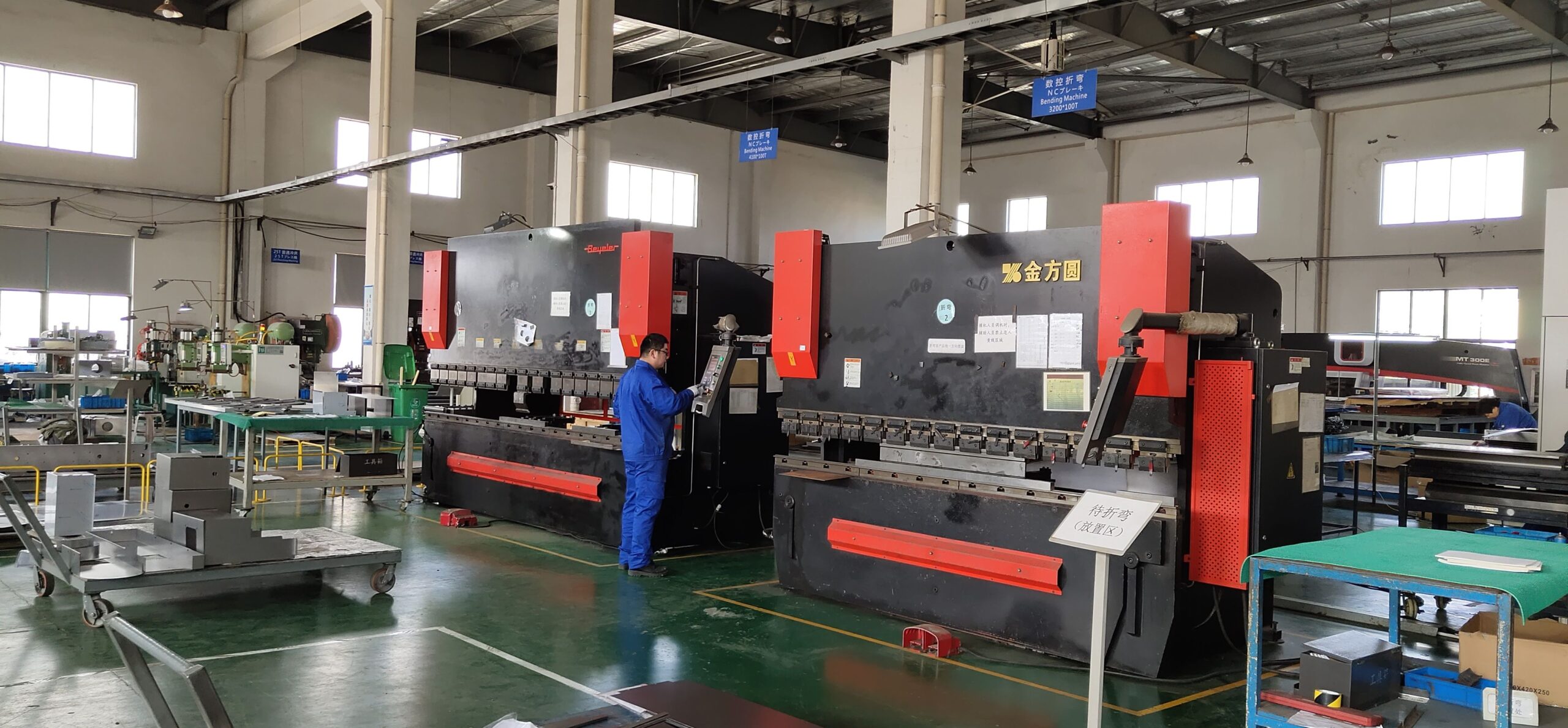
When considering the manufacture of a metal part, a question often arises: how much will it actually cost to bring this creation to life? If you’ve ever pondered the complexities behind pricing in the world of metal fabrication, you’re not alone. It’s a multifaceted endeavor, riddled with a multitude of factors that can significantly impact the final price tag. From material selection to machining methods, understanding the intricacies involved is crucial for anyone embarking on the journey of custom metal part production.
The cost of getting a metal part made can feel perplexing. Will you be met with exorbitant quotes? Or can you find a reliable solution that fits your budget? Let’s delve into the intricacies of pricing and help navigate this challenging terrain.
1. Material Selection: The Foundation of Cost
The first and most significant factor influencing the price of manufacturing a metal part is the choice of material. Common metals such as aluminum or steel may seem affordable, but what if your project requires specialized materials like titanium or high-strength alloys? The rarity and demand of certain metals will typically translate to higher costs. Furthermore, the properties of the material—such as tensile strength, corrosion resistance, and thermal conductivity—are crucial; these attributes can sometimes justify a higher price tag to ensure durability and performance.
2. Machining and Fabrication Techniques: Setting the Stage
How the part is made is nearly as critical as the material itself. Various machining processes—like CNC milling, laser cutting, or welding—carry different cost implications. For instance, CNC machining is celebrated for its precision but often comes with greater costs due to its automated processes and the complexity of programming. On the contrary, traditional machining methods may offer a more budget-friendly option, albeit with trade-offs in precision and lead time.
3. Design Complexity: The Artist’s Touch
The complexity of your part’s design can significantly influence the cost. Simple geometries are generally easier and cheaper to produce. Conversely, intricate designs with fine details, undercuts, or complex assemblies require additional time, skill, and possibly more advanced equipment, thus escalating the overall pricing. Consider collaborating with a designer who can optimize your concept for manufacturability while balancing both aesthetics and cost.
4. Production Volume: The Economies of Scale
Are you looking to manufacture a single prototype, or do you require large-scale production runs? The volume of parts you intend to produce curiously affects per-unit costs. While the initial setup expenses—such as tooling and fixtures—can be high, these costs are amortized over larger quantities. In seeking efficiencies, bulk ordering often leads to discounted rates, thereby lowering the unit price, which could be a vital consideration for larger projects.
5. Finishing Processes: The Final Flourish
Metal parts frequently require finishing treatments to enhance functionality and aesthetics. Techniques like anodizing, powder coating, and polishing can add both time and cost to your project. These finishing touches are essential, not merely for appearance but also for improving properties like corrosion resistance and wearability. Evaluating the necessity of these processes in conjunction with your budget is imperative. Do you prioritize functionality over aesthetics, or vice versa?
6. Lead Time: The Clock is Ticking
In a world where time often equates to money, the production timeline can significantly affect costs. Rush orders typically demand higher prices due to overtime work and accelerated production schedules. Conversely, if lead times are flexible, you may uncover more affordable options, yet this may require patience. When planning your project, consider whether the urgency merits the increased investment.
7. Supplier Selection: The Quality Quandary
Your choice of supplier can also wield considerable influence over your overall expenses. Established manufacturers may charge higher prices due to their reputation for quality and reliability. Alternatively, less-known entities might offer competitive rates but could sometimes compromise on quality or service. Conduct thorough research and due diligence, weighing potential cost savings against the risk of quality issues or delivery delays.
8. Hidden Costs: The Sneaky Culprits
As with any production project, it is wise to anticipate potential hidden costs. These can arise from design modifications, unexpected material price increases, or shipping fees. To mitigate against these surprises, establish a clear agreement with your manufacturer outlining all costs involved and maintaining open lines of communication throughout the project. Transparency is key.
In conclusion, the journey to getting a metal part made is a complex interplay of various factors that influences cost. Material choice, machining methods, design complexity, production volume, finishing requirements, lead time, supplier selection, and hidden fees all play pivotal roles. Before embarking on this venture, take the time to understand these components. A thoughtful analysis can help you not only manage expenses but also achieve the desired outcome for your project. So, the next time you find yourself contemplating the cost of manufacturing metal parts, remember the myriad challenges and considerations that accompany the process. By preparing extensively, you can navigate the landscape with confidence and clarity.






Leave a Comment