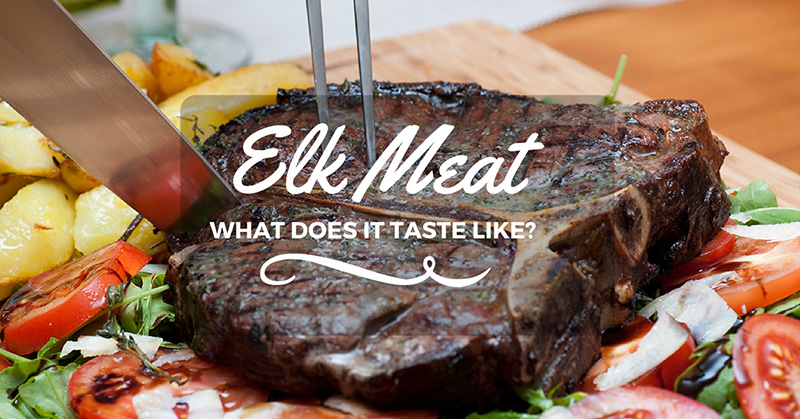
When one thinks of game meat, elk often surfaces as a delightful alternative to traditional beef or pork. But what does elk actually taste like? Is it a savory delight or perhaps a challenge for the unaccustomed palate? In the vast landscape of culinary exploration, contemplating the taste of elk may prompt seasoned connoisseurs and curious novices alike to embark on a unique gastronomic adventure. Understanding the flavors and textures that define elk meat can enhance your culinary repertoire and offer a chance to engage with nature in a way that is both sustainable and delicious. Let’s delve deeper into the essence of elk meat and how it can elevate your dining experience.
1. Distinct Flavor Profile
Elk is renowned for its rich, gamey flavor that distinguishes it from common livestock. The first impression is often one of earthiness, reminiscent of the forested habitats these majestic creatures roam. Unlike beef, which can have a heavier, fattier profile, elk tends to be leaner, resulting in a more subtle and refined taste. This leanness offers a sweeter undertone, interlaced with a hint of nuttiness that can be both intriguing and delightful to the senses.
2. Texture and Tenderness
Texture plays a crucial role in the overall eating experience. Elk meat is typically fine-grained, which contributes to its juiciness when properly prepared. Although lean, quality elk steak can be incredibly tender, particularly when sourced from younger animals. Cooking techniques, such as marinating or slow-cooking, can further enhance tenderness, making each bite an exquisite experience. However, overcooking is a common pitfall; elk meat can dry out quickly, becoming less inviting. The challenge lies in mastering the cooking methods that honor the unique qualities of this protein.
3. Nutritional Benefits
Venturing into the realm of elk not only tantalizes the taste buds but also offers substantial nutritional benefits. With significantly less fat than beef and pork, elk is an exceptional choice for health-conscious individuals. It is high in protein, iron, and Vitamin B12, essential for energy metabolism and overall health. The challenge posed here is integrating elk into your diet without overshadowing its natural flavor with overly rich ingredients. Balancing between complementing and enhancing the flavor requires a discerning approach but is undoubtedly rewarding.
4. Cooking Methods and Preparation Techniques
To truly appreciate elk meat, employing the right cooking techniques is paramount. Whether grilling, roasting, or stewing, the method of preparation can drastically influence the flavor and texture. Grilling is popular for steaks, allowing the natural flavors to shine while achieving a perfect sear. For ground elk, incorporating into burgers or meatballs can yield delectable results. Each method presents its own set of challenges, such as adjusting cooking times and temperatures to avoid drying out the meat. Finding the ideal preparation can transform your dish from ordinary to extraordinary.
5. Flavor Pairings
The beauty of elk lies not only in its nuanced flavor but also in its compatibility with a variety of ingredients. When pondering what to pair with elk, consider flavors that complement rather than overwhelm. Earthy vegetables such as mushrooms, root vegetables, and green beans enhance the gamey profile, while sauces made from berries like juniper or cranberry add a pleasantly tart contrast. The art of pairing elk with the right accompaniments can elevate your culinary creations. However, this also presents a creative challenge: crafting harmonious flavor combinations that highlight the meat’s qualities without overshadowing them.
6. Regional Variations
The culinary experience of elk can vary significantly based on regional preparation methods and cultural influences. In Western states of the U.S., elk steak might be seasoned simply with salt and pepper to allow the meat’s natural flavors to speak for themselves. In contrast, European cuisines may employ a medley of herbs and spices, creating richly flavored dishes that contribute to the overall elk experience. Exploring these variations can open new avenues of flavor discovery and provide a deeper understanding of how different cultures engage with this extraordinary game meat.
7. Ethical Considerations and Sustainability
Choosing to consume elk is often linked to ethical and sustainable practices. Elk are typically wild or farm-raised in environments that mimic their natural habitats, promoting animal welfare and biodiversity. This awareness adds a thoughtful layer to the dining experience—understanding where your food comes from enhances the appreciation of its flavor. While contemplating the ethics behind game meat offers a philosophical challenge, it simultaneously enriches the culinary journey, encouraging a deeper connection to food sources and responsible consumption.
Conclusion
So, what does elk taste like? It’s a question that transcends simple flavor profiles; it delves into a world of textures, nutritional value, and ethical considerations. The unique experience of savoring elk, marked by rich flavors and creative culinary challenges, invites individuals to expand their palates and embrace the thrill of trying something new. Ultimately, each bite of elk offers a taste of adventure—an invitation to resonate with nature’s bounty in a most delectable way. Are you ready to accept the challenge and explore this exquisite game meat?











Leave a Comment