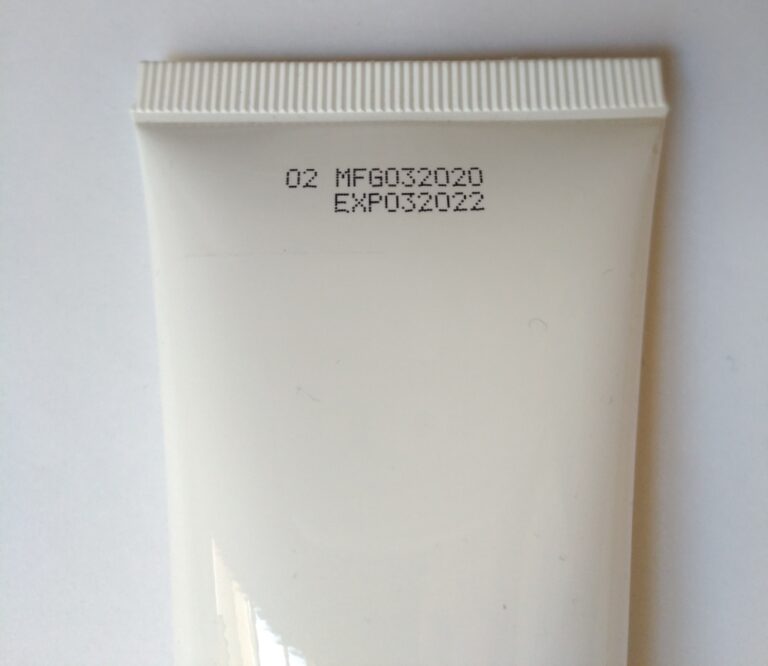
Toothpaste, a seemingly mundane component of daily oral hygiene, often hides a wealth of knowledge and nuance beneath its unassuming surface. Most of us diligently check the expiration date on food items, availing ourselves of valuable advice concerning safety and quality, yet when it comes to toothpaste, it can often be relegated to the back of our minds. The primary question that arises—can you use expired toothpaste? This exploration promises not just a practical answer but a new perspective on product expiration, dental health, and the chemistry behind our beloved minty paste.
Before delving into the specifics, it’s essential to understand what “expiration” means in relation to toothpaste. Contrary to common beliefs, the expiration date primarily serves as a guideline for effectiveness rather than an indication of danger or toxicity. Most toothpaste is made from a combination of abrasives, humectants, binders, flavoring agents, and fluoride, which collectively contribute to its intended function. Knowing how each ingredient behaves over time sheds light on what truly happens when that expiration date has passed.
First, let’s illuminate the composition of toothpaste. Most features active ingredients, such as fluoride, designed to combat cavities and promote enamel preservation. The effectiveness of fluoride diminishes after the expiration date, meaning it may not provide the full protective benefits you seek for your pearly whites. While a tube of expired toothpaste may be harmless, it’s prudent to consider whether its crucial active ingredients still yield optimal results.
Moreover, the stability of toothpaste is influenced by its packaging. Squeeze tubes tend to protect their contents better from air and moisture compared to jars or pots, which can introduce variables like bacterial growth or contamination. If your expired toothpaste appears discolored, separated, or has developed an unusual texture, these are telltale signs that the integrity of the product has been compromised. Such alterations can diminish the texture and effectiveness, so visual and sensory inspections are invaluable.
Now, consider the psychological angle. How ardently do we cling to things that are ‘expired’—the relics of a bygone time? Perhaps it’s a sign of resourcefulness or simply an unwillingness to part with what we have. Using expired toothpaste may seem like an innocuous act of thriftiness, but it may falsely imbue a sense of security in an ineffective product. The question lingers: Is it better to cast aside an expired product in hope of optimal dental hygiene, or is a sprinkle of nostalgia worth the risk? This dilemma invites introspection about our relationship with consumer products.
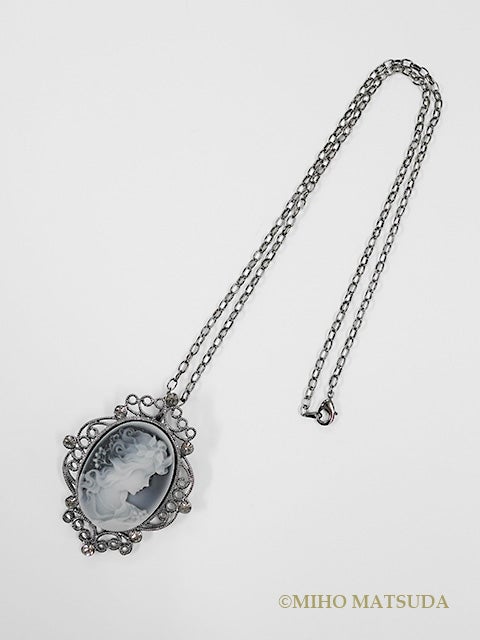
What if you have a tube of expired toothpaste that still appears pristine and well-preserved? It’s tempting to use it. On the one hand, it holds the promise of fresh breath and teeth-cleaning capabilities, albeit without ensured efficacy. On the other hand, consider alternative uses for this relic; such as cleaning jewelry. The mildly abrasive nature of toothpaste can help restore the sparkle to overlooked treasures, revealing a hidden utility. This perspective shift encourages us to view expired products not solely as waste, but potentially as tools waiting to be repurposed.
In emergency situations, expired toothpaste may serve as an interim solution for cleaning teeth, especially when you find yourself in a bind without access to fresh supplies. While not optimal, it’s unlikely to cause immediate harm, especially if the tube is within the expiration range of a few months. This practical nugget challenges the prevailing notion that expiration dates are ironclad; flexibility in our understanding could alter our decision-making processes, adapting according to circumstances that demand resourcefulness.
Furthermore, the role of dental health professionals shouldn’t be overlooked in this conversation. Dentists often recommend adhering to the most current oral care guidelines—which may include discarding expired toothpaste for optimal fluoride efficacy. Their expert advice often hinges on the principle of preventive care. When it comes to maintaining the health of your teeth and gums, it’s wise to prioritize high-quality, effective products over outdated supplies. Making informed decisions is crucial in safeguarding your dental health.
Ultimately, the question is not merely about whether one can use expired toothpaste, but rather a larger dialogue about safety, efficacy, and sustainability. As we navigate a world that increasingly champions resourcefulness, recognizing nuances in product expiration can shift our perspectives. In this age of waste, rediscovering items we might typically discard can be both a practical and ethical consideration, forging a connection between personal habits and environmental consciousness.
In conclusion, using expired toothpaste can be both a complex and personal decision. While the integrity of key ingredients may wane over time, an expired tube may still hold value beyond your toothbrush’s bristles. Consider inspecting your dental supplies with a keen eye—acknowledging their potential as both an oral hygiene tool and a repository for alternative uses. By embracing curiosity and reevaluating what “expiration” means, we can cultivate a more thoughtful approach to consumerism, rooted in respect for both dental health and the environment. Whenever in doubt, however, it’s prudent to prioritize efficacy and safety, opting for fresh supplies to ensure your smile remains bright and healthy.









Leave a Comment