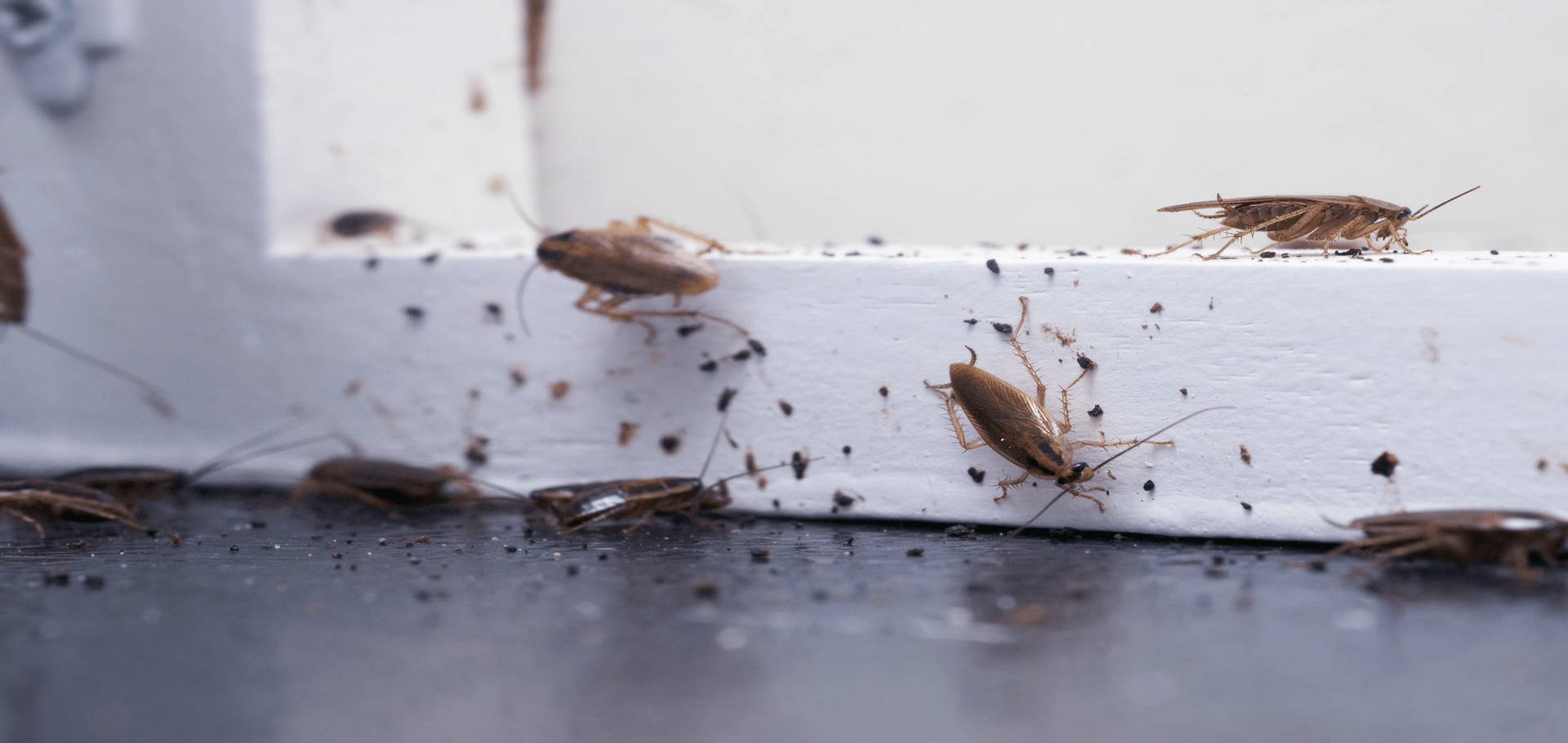
Roaches, often considered the quintessential pests, have garnered notoriety and fear in households around the world. Among the plethora of roach species, two stand out: the German cockroach and the American cockroach. These insects, while both members of the same order, exhibit distinct behaviors, habitats, and even appearances. This article delves into the nuanced differences between German roaches and American roaches, guiding homeowners in understanding these critters better, and equipping them with the knowledge to deal with infestations if they arise.
Physical Characteristics
Understanding the visual identifiers of these two species is paramount for effective pest management. German roaches are relatively small, typically measuring around 1.1 to 1.6 inches in length, with a tawny-brown coloration and two distinct dark stripes that run longitudinally down their pronotum. In contrast, American roaches are substantially larger, reaching sizes of 1.5 to 2 inches. Their appearance is more robust, featuring a reddish-brown hue and a yellowish margin along the thorax, making them easily distinguishable.
Behavior and Habits
Both roach species display distinct behavioral characteristics that influence their living environments and interactions with humans. German roaches are nocturnal and thrive in warm, humid settings such as kitchens and bathrooms. They are excellent climbers and are often found scuttling across countertops or walls, particularly near food sources. Their rapid reproductive cycle, with a female capable of producing up to 48 eggs at a time every fortnight, enables swift population growth, thus making them a household nightmare.
On the other hand, American roaches prefer slightly drier locations. They often inhabit sewers, basements, and other subterranean areas. Though these roaches also exhibit nocturnal behavior, they are much less inclined to invade human living spaces. Instead, they often wander into homes from outdoors, particularly in search of food or during warm weather. Their slower reproduction rate, with females laying fewer eggs, can impact the speed at which infestations occur.
Dietary Preferences
Both the German and American roaches are omnivorous, thriving on a diverse diet. German roaches exhibit a proclivity for starchy and sweet foods, often gravitating towards baked goods, sugars, and even pet food. Their adaptability in diet ensures they can survive in a broad range of environments, but they are particularly known to forage in the nooks and crannies of kitchens.
Conversely, American roaches are known to have a more varied culinary palette. They will consume decaying organic matter, grease, and even cellulose materials such as paper. This omnivorous nature allows them to flourish in areas where decomposing organic waste is abundant, such as parks or gardens, emphasizing their connection to the outdoors.
Habitat Preferences
When it comes to habitats, the two species exhibit distinct preferences that reflect their adaptation to environments. German roaches favor indoor environments, frequently making their homes in closeness to food and water sources. They thrive in warm conditions and can often be found in kitchen cabinets, behind appliances, or in bathroom sinks. Their fondness for warmth ensures their presence in climate-controlled environments.
On the flip side, American roaches tend to prefer outdoor environments, with a particular affinity for moist and warm areas. They are often found in sewer systems, leaf litter, or underneath mulch. While they are occasionally found inside homes, especially during inclement weather, they do not establish as permanent a presence indoors as German roaches do.
Life Cycle and Reproduction
The life cycle of these two roaches differs markedly, influencing their management in pest control. The German roach undergoes a rapid reproductive cycle, with the presence of a female roach capable of producing several egg cases, called oothecae. Each ootheca can contain up to 50 eggs. Under optimal conditions, a German roach can go from egg to adult in as little as 6 weeks. This rapid cycle exacerbates infestation challenges, making immediate intervention critical.
In stark contrast, the American roach has a much longer life cycle. A female typically produces fewer oothecae, each containing about 14-16 eggs. The entire process from egg to adult can take several months, depending on environmental conditions. While their slower reproduction rate may suggest they are less problematic, the larger size and presence of American roaches can still pose significant threats to sanitation and aesthetics in a home.
Pest Control Strategies
When it comes to controlling these pests, specific strategies must be tailored to address their unique characteristics. For German roaches, approaches often center around maintaining cleanliness and eliminating food sources. Baits, traps, and insecticides can be effective, especially in areas they frequent. Additionally, sealing cracks and crevices in living spaces can mitigate their entry points.
American roaches, while less inclined to invade homes, may require different tactics due to their affinity for outdoor habitats. Ensuring that garbage is contained, using outdoor insecticides, and clearing vegetation that may harbor these pests are essential steps in preventing intrusions. Regular inspections of basements and crawl spaces can also assist in early detection and control.
Conclusion
While German and American roaches may share some characteristics as members of the cockroach family, their differences are pronounced and significant. From physical attributes to behavioral patterns, understanding these distinctions empowers homeowners to take proactive measures in preventing infestations. Recognizing the traits and habitats of each species is crucial for effective pest management, offering peace of mind in maintaining a clean and healthy living environment. Ultimately, knowledge is not only the first step toward prevention but also a pivotal element in ensuring that your home remains roach-free.








Leave a Comment