
Many individuals harbor anxieties about dental visits, particularly regarding the filling of cavities. The mere mention of a cavity filling can evoke a flurry of emotions ranging from mild concern to outright dread. This profound ambivalence toward dental procedures invites deeper exploration into both the physiological response and the psychological factors at play. This article aims to elucidate whether getting a cavity filled actually causes pain, what to expect during the procedure, and the underlying reasons for the trepidation surrounding dental work.
Understanding Cavities: A Brief Overview
Before delving into the sensations associated with cavity fillings, it is imperative to grasp the nature of cavities themselves. Cavities are the result of tooth decay, often incited by a confluence of factors such as poor oral hygiene, sugar-laden diets, and harmful bacteria. Left untreated, these decayed areas can lead to discomfort, infection, and even tooth loss. Because of this potential for escalation, timely intervention becomes vital, making knowledge about the filling process essential.
The Anatomy of Pain: What Happens During a Cavity Filling?
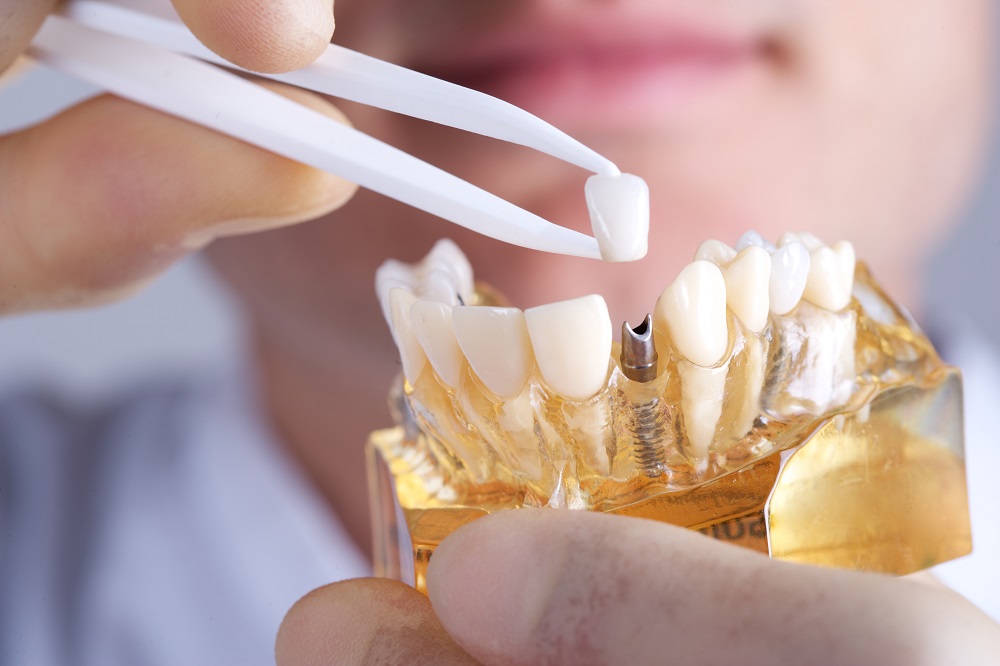
When a dentist prepares to fill a cavity, several steps unfold, each contributing to the overall experience. Initially, the affected area must be numbed to minimize discomfort. Dentists typically administer a local anesthetic such as lidocaine, which temporarily inhibits nerves around the tooth, effectively dulling sensation.
As the anesthetic takes effect, patients may experience an array of tactile sensations. Although the targeted numbness can render the area relatively pain-free, individuals may still perceive pressure or vibrations as the dentist excavates the decayed material. This can lead to a peculiar distinct sensation, often confusingly juxtaposed against the absence of pain.
Does it Hurt? Breaking Down the Myths
One of the most prevalent misconceptions about cavity fillings is that they are inherently painful. In reality, the majority of individuals report only minor discomfort during the process, often attributed to the initial needle prick of the anesthetic. A study of patient experiences indicates that many perceive the filling procedure as less uncomfortable than anticipated.
However, the fear of potential pain cannot be wholly dismissed. This trepidation often stems from previous experiences, whether as an adult or childhood memories of dental care. The very act of anticipating pain can amplify anxiety, leading to a heightened sensitivity to discomfort that may or may not be present.
Psychological Factors: The Fear Factor
Dental anxiety is a common phenomenon, influenced by a myriad of factors. For some, it traces back to traumatic experiences in the dental chair, while others grapple with general anxiety about medical procedures. Cultural narratives often portray dental visits as unpleasant, further entrenching fears within societal consciousness.
Moreover, the sounds associated with dental work—the whirring of drills, for instance—can induce a visceral response, triggering the fight-or-flight instinct. It’s essential, therefore, to acknowledge that the perception of pain is not solely physical; psychological elements can dramatically skew one’s experience. Understanding this can help mitigate fears and assist in adopting coping strategies.
Technological Advancements: Progress in Dentistry
In recent decades, advancements in dental technology have revolutionized the approach to cavity fillings, resulting in a more comfortable patient experience. State-of-the-art dental equipment is designed to be less intrusive, reducing the physical discomfort associated with traditional methods.
Additionally, the advent of laser dentistry—an innovative technique that enables treatment without the need for conventional drills—has introduced a less painful alternative for cavity treatment. Although not yet ubiquitous, these technologies symbolize the ongoing evolution within the dental field aimed at alleviating patient concerns.
Post-Procedure Expectations: What Comes Next?
After completing the cavity filling, it is not uncommon to feel a lingering sense of numbness that gradually dissipates over a few hours. Most patients will experience mild sensitivity in the treated tooth, which can vary in intensity based on the size of the filling and individual pain tolerances. Over-the-counter analgesics can be effective for managing any discomfort.
Moreover, maintaining good oral hygiene post-procedure is paramount to ensure optimal healing. It is advisable to refrain from consuming excessively hot or cold beverages immediately following treatment, as this can provoke discomfort due to lingering sensitivity. Regular follow-ups with your dentist can help ensure the long-term success of the filling.
Conclusion: Embracing the Dental Experience
In summary, while the notion of pain associated with cavity fillings is grounded in genuine concern, most individuals find the experience far less distressing than feared. By understanding the procedure, recognizing the underlying psychological factors, and appreciating the advancements in dental technology, patients can adopt a more informed perspective on dental care. Embracing this information empowers individuals to confront their dental anxieties, ultimately paving the way for healthier teeth and a brighter smile. Whether through amicable dialogue with dental professionals or simply educating oneself on the realities of dental care, dispelling the myths surrounding cavity fillings is a worthwhile endeavor.








Leave a Comment