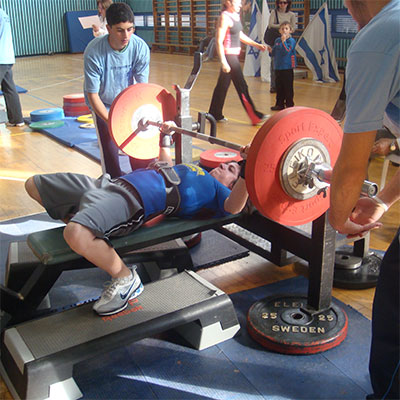
When one contemplates the world of strength training, the bench press often emerges as a quintessential exercise, boasting venerable status among fitness enthusiasts and athletes alike. Yet, nestled within the intricacies of executing the perfect bench press lies a question that stirs intrigue: How much does a bench press bar actually weigh? This seemingly straightforward inquiry unravels into a tapestry woven with diverse weights, materials, and purposes. Let us embark on an exploration, replete with intriguing insights that promise to shift your perspective on this fundamental piece of gym equipment.
To grasp the significance of a bench press bar, it is pivotal to first acknowledge its multifaceted role in resistance training. At the heart of countless workouts, the barbell—often simply referred to as a bar—serves as a dynamic tool for building strength, endurance, and muscle mass. But what does it weigh? The answer varies based on the type of bar, its intended use, and even the material from which it is crafted. A harmonious blend of these factors ultimately defines the weight of the bench press bar.
When we consider the most common type of barbell used in bench pressing—the Olympic bar—it typically weighs 45 pounds (approximately 20.4 kilograms). This standard is revered in gyms worldwide, gracing both competitive platforms and personal training endeavors. The design of the Olympic bar is a marvel in itself, featuring rotating sleeves that allow for efficient movement during lifts, thus reducing undue stress on the lifter’s wrists. Understanding its weight is not merely academic; it lays the foundation for structuring your workouts effectively, ensuring that you maintain a safe and productive training regimen.
However, the existence of the Olympic bar does not negate the presence of other varieties. For instance, the women’s Olympic barbell weighs 33 pounds (about 15 kilograms). This lighter alternative is purposely designed to accommodate different strength levels and body mechanics, thus ensuring inclusivity in strength training. Additionally, there are specialized bars such as the squat bar, often heavier than the standard Olympic bar at 55 pounds (24.9 kilograms), and even the deadlift bar, which maintains a similar weight but boasts a distinct design to aid lifting mechanics. Each bar has its unique characteristics, making it essential to select the right one based on your training goals.
Moreover, the weight of the bar itself dramatically influences the calculations involved in determining your total lifting capacity. Understanding the weight of the bar enables athletes and gym-goers to strategically plan their workload. For example, if one aims to complete a bench press session with a total weight of 135 pounds, the addition of the 45-pound bar necessitates that 90 pounds of plates be added. This knowledge empowers lifters to enhance their performance progressively, fostering a more effective training environment.
For those exploring the world of powerlifting or bodybuilding, the choice of bar becomes even more nuanced. Specialty bars—such as the safety squat bar or the Swiss bar—are designed to impact musculature differently, often weighing in excess of the standard Olympic variety. For example, the safety squat bar can weigh upwards of 65 pounds (29.5 kilograms). These variations highlight the significance of selecting equipment tailored to specific strength goals, pivoting your training toward desired outcomes.
In a contemporary gym landscape, one might also encounter lighter training bars, often utilized for beginner lifters or specific rehabilitative exercises. These bars can weigh as little as 15 or 20 pounds (6.8 to 9.1 kilograms), making them ideal for newcomers striving to master the mechanics of the bench press before progressing to heavier weights. The accessibility of these lighter bars opens the door to the universe of strength training, fostering confidence among novice lifters and encouraging them to build a solid foundation.
Outside of weight considerations, the material composition of bench press bars presents another intriguing dimension to explore. Most commonly made from steel, variations exist that incorporate aluminum or composite materials, further affecting the bar’s overall weight and functionality. Each material offers distinct properties influencing durability, flexibility, and temperature tolerance, instigating a fascinating interplay between science and strength.
From the standard Olympic barbell to specialty weights designed for specific training regimens, the world of bench press bars is as diverse as it is impactful. Understanding the weight and dynamics of these tools fosters a deeper appreciation for their role in the fitness journey. Knowledge in this realm empowers lifters to make informed decisions, promoting safety and efficacy throughout their training experience.
In conclusion, the inquiry into how much a bench press bar weighs is both layered and compelling. With various types and purposes, weights can fluctuate from 15 pounds to well over 55 pounds, each serving unique needs within the spectrum of strength training. By grasping these distinctions, one can unlock the full potential of their training routine, cultivating an approach that is both informed and dynamic. The next time you step into a gym and approach the bench, remember not just the weight of the bar, but the transformative journey that lies ahead—a journey empowered by knowledge and precision.











Leave a Comment