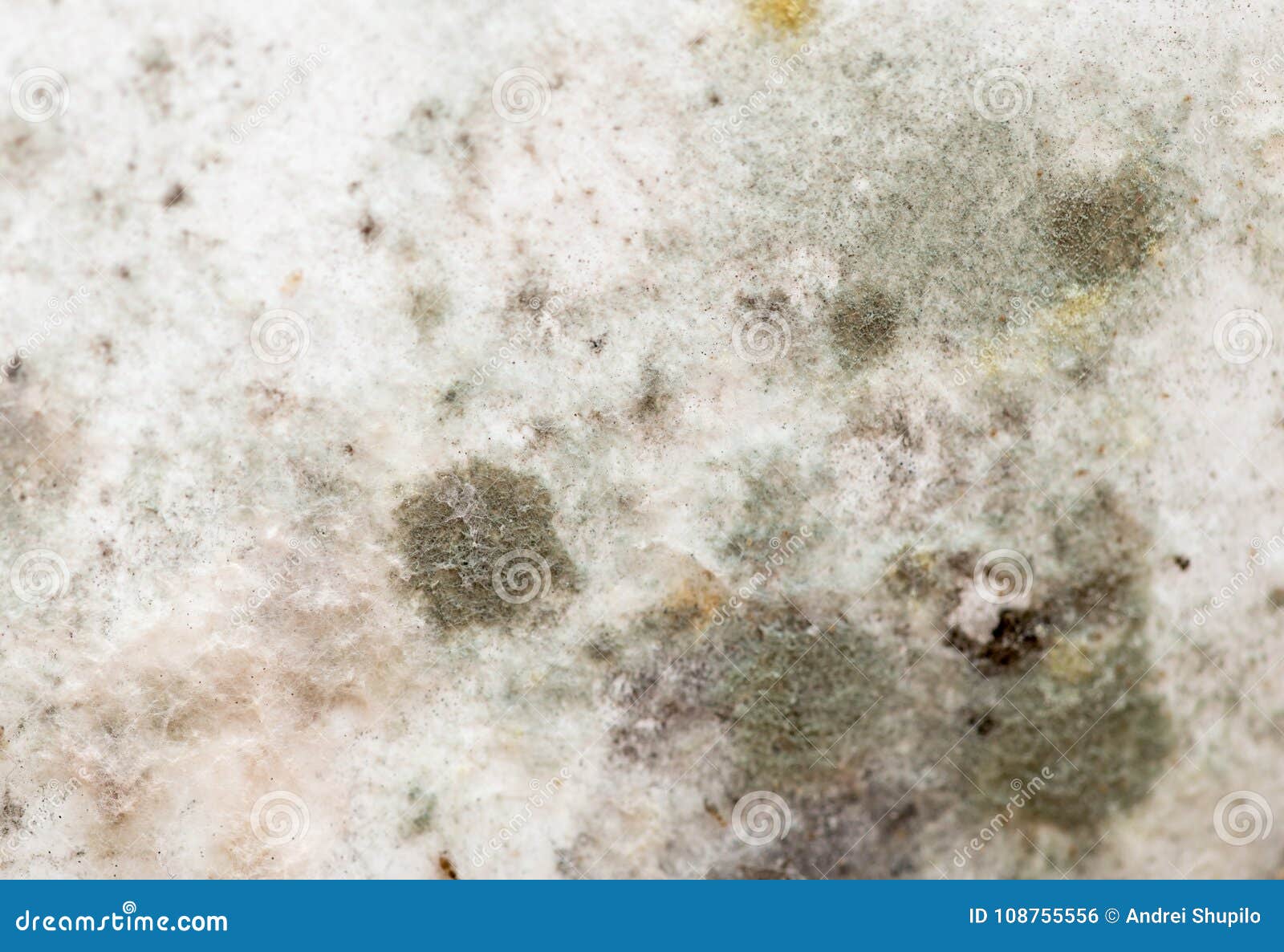
White mold in a house can be an alarming sight for any homeowner. While it may initially appear benign, it can signify underlying issues that pose serious health and structural concerns. This article aims to provide an extensive overview of white mold, shedding light on its types, causes, health implications, prevention methods, and remediation strategies. Understanding each aspect is crucial for effective management and maintenance of a safe living environment.
Types of White Mold
White mold is a general term used for various species of mold that appear white in color. Some common types include:
- Aspergillus: This ubiquitous fungus often showcases a white or gray hue and can thrive on various materials, including wood, dust, and even food.
- Trichoderma: While primarily found in soil, Trichoderma can also be an unwelcome visitor in homes. Its velvety white appearance often leads to confusion with harmless mold.
- Penicillium: Typically blue or green in its mature form, young Penicillium colonies may display white growth. It’s notorious for its rapid growth and potential to thrive in damp environments.
Recognizing the specific type of white mold is important, as it helps determine the necessary remediation approach and preventive measures.
Causes of White Mold Growth
The proliferation of white mold in a household is often the result of several contributing factors:
- Moisture: The primary catalyst for mold growth. High humidity levels, leaks from roofs or plumbing, and poor ventilation can create the perfect breeding ground for mold spores.
- Warmth: Mold thrives in warm conditions, making attics, basements, and other poorly ventilated areas particularly susceptible.
- Organic Material: Mold requires a food source, which can be found in wood, drywall, and even dust. A lack of regular cleaning and maintenance can exacerbate the problem.
Understanding these causes is essential for developing a strategy to prevent future occurrences of white mold.
Health Implications of White Mold
While the aesthetic presence of white mold may seem innocuous, it is essential to recognize the potential health risks involved:
- Allergic Reactions: Exposure to mold spores can trigger allergic reactions in sensitive individuals, leading to symptoms like sneezing, coughing, and skin irritation.
- Respiratory Issues: Inhalation of mold spores can exacerbate asthma or lead to other pulmonary conditions, particularly for those with pre-existing respiratory issues.
- Immunocompromised Individuals: For those with weakened immune systems, white mold can pose a significant health risk, potentially leading to serious infections.
Being aware of these health implications underscores the importance of addressing white mold growth expediently.
Preventive Measures
Taking proactive steps can significantly reduce the likelihood of white mold taking root in your home:
- Humidity Control: Keeping indoor humidity levels below 60% is crucial. Using dehumidifiers and air conditioners can help maintain optimal moisture levels.
- Ventilation: Ensure proper airflow in closets, attics, and basements to reduce dampness. Installing exhaust fans and opening windows can greatly improve air circulation.
- Regular Inspections: Periodically check areas prone to moisture for any signs of leaks or mold. Timely detection can prevent further complications.
Implementing these preventive measures can save homeowners from the headache of mold remediation and the associated health risks.
Remediation Strategies
In the unfortunate event that white mold is discovered, prompt remediation is essential. The following steps can guide homeowners through the process:
- Identify the Source: Determine the root cause of the moisture issue and rectify it before addressing the mold.
- Protective Gear: Use appropriate personal protective equipment (PPE), such as gloves, goggles, and masks, to prevent exposure during cleanup.
- Containment: Seal off the affected area to prevent spores from spreading to other parts of the house during remediation.
- Cleaning and Removal: For non-porous surfaces, scrub the area with water and detergent. For porous materials, like drywall, removal may be necessary.
- Dry Thoroughly: After cleaning, ensure the area is completely dry to inhibit any further mold growth.
If the mold problem is extensive or persistent, consulting with a professional mold remediation service is highly recommended.
Conclusion
White mold in a home can transform from a simple nuisance to a substantial risk if left unaddressed. By understanding the various types of mold, their causes, health implications, preventive measures, and remediation strategies, homeowners can take proactive and informed steps towards protecting their living environments. Maintaining vigilance in humidity control, regular inspections, and prompt action when mold is detected can ensure a safe and healthy home for you and your family.








Leave a Comment