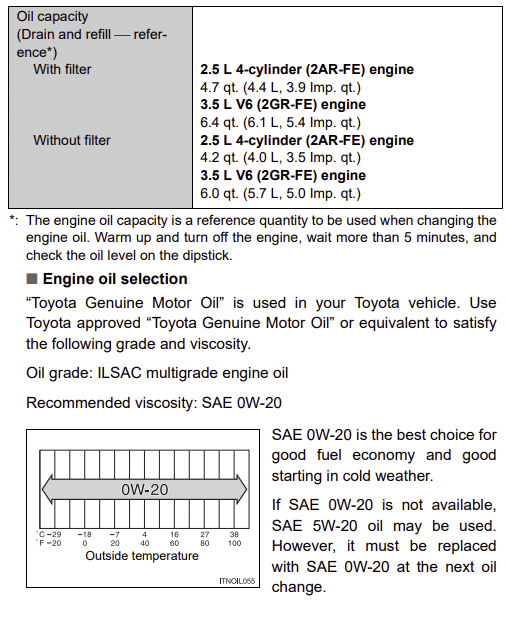
When it comes to maintaining your Toyota Camry, one of the most crucial components to consider is the type of oil you use. Have you ever pondered the importance of selecting the right oil for your vehicle? Choosing the suitable oil type isn’t merely a matter of preference; it can significantly impact the performance and longevity of your engine. To navigate this essential aspect of car maintenance, we’ll delve into the specifics of Toyota Camry oil types, their implications, and how to make an informed choice.
Understanding Oil Types
To properly address the question of what oil your Toyota Camry requires, we should first understand the primary categories of oil available on the market. Generally, motor oil can be classified into three main types: conventional, synthetic, and a blend of both. Each type possesses unique characteristics that cater to varying driving conditions and engine designs.
Conventional oil is derived from crude oil and is the traditional choice for many vehicles. It performs adequately under standard driving conditions, but it tends to break down faster under extreme heat or stress.
Synthetic oil, on the other hand, is engineered from chemical compounds, providing superior lubrication and enhanced performance. It boasts excellent resistance to thermal breakdown, which is particularly advantageous for high-performance vehicles or those driving in severe conditions.
The hybrid option, often referred to as synthetic blend oil, incorporates both conventional and synthetic oils, offering a balance between affordability and performance.
The 2023 Toyota Camry Oil Specifications
If you drive a 2023 Toyota Camry, you could be wondering what oil type is recommended for optimal engine performance. For this model, Toyota typically advises using SAE 0W-20 full synthetic oil. This specific viscosity grade allows for excellent flow at lower temperatures while ensuring sufficient protection at higher temperatures. The use of synthetic oil in contemporary Camry models allows for longer intervals between oil changes, a feature that provides convenience and can save you money in the long run.
However, earlier models, such as the 2014 Toyota Camry, might have slightly different requirements, often recommending SAE 5W-20 conventional or synthetic oil. It is crucial for owners to consult their vehicle manual or check with a trusted mechanic to ascertain the correct specifications.
Oil Change Intervals and Maintenance Tips
Changing your engine oil regularly is paramount to ensuring the longevity of your Toyota Camry. While intervals can vary based on driving habits and oil type, it is generally advisable to change conventional oil every 3,000 to 5,000 miles, whereas synthetic oils can often last between 5,000 to 10,000 miles. However, always lean on the side of caution; if in doubt, consult your vehicle’s manual for the manufacturer’s recommendations.
In addition to regular oil changes, consider implementing the following maintenance tips:
1. **Check Oil Levels Regularly:** It is important to check your oil levels regularly. Simply pull out the dipstick, wipe it clean, and reinsert to see the oil level. Maintaining proper oil levels ensures proper lubrication of the engine components.
2. **Monitor Oil Quality:** Pay attention to the oil’s appearance; if it appears dirty or gritty, it may be time for a change. The consistency and clarity of the oil can provide vital clues regarding its health.
3. **Replace Oil Filter:** During oil changes, always replace your oil filter to avoid contaminants from recirculating through your engine.
4. **Consider Driving Conditions:** If you frequently drive in stop-and-go traffic or extreme weather conditions, you may need to change your oil more frequently than the standard recommendations. Being mindful of your driving habits can aid in maintaining engine health.
Why the Oil Type Matters
Using the right oil type for your Toyota Camry transcends mere compatibility; it profoundly affects your engine’s performance. Full synthetic oil, for instance, reduces friction between moving parts, enhancing fuel efficiency and overall performance. On the flip side, using an oil type that doesn’t meet the required standards can lead to engine wear and costly repairs down the line.
Moreover, different types of oil can influence your vehicle’s warranty. Many manufacturers specify oil type and change intervals as prerequisites for warranty validity. As such, adhering to these specifications is not only prudent but also protects your investment.
The Cost Factor
While synthetic oils tend to cost more upfront than conventional oils, the trade-off comes in the form of longer service intervals and improved performance. Therefore, while budgeting for vehicle maintenance, take into account not only the price per quart but the overall value in terms of frequency and protection offered.
Conclusion
In conclusion, understanding the oil type for your Toyota Camry is essential for maintaining optimal engine health and performance. Ignoring this critical detail might lead you down a path of unforeseen expenses and challenges. As you traverse the roads to automotive care, remember that the right oil can extend the life of your engine, provide better fuel economy, and enhance overall performance. So, have you checked your oil lately? The choice you make today may well protect your vehicle for years to come.








Leave a Comment