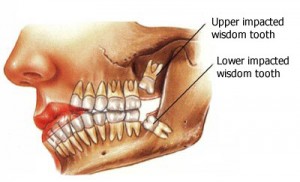
In the labyrinth of oral health, wisdom teeth often emerge as enigmatic entities. Standing at the intersection of necessity and choice, the decision surrounding their removal can incite both anxiety and curiosity. While it is often recommended to extract these third molars, what transpires if you opt for the opposite route? The journey of understanding the ramifications of leaving wisdom teeth intact unveils a fascinating and multifaceted world filled with potential consequences. Here, we delve into the intricacies of what you might encounter if you forsake their extraction.
1. The Space Conundrum
Wisdom teeth, typically emerging between the ages of 17 and 25, can create severe spatial dilemmas within the jaw. As they push their way through, they often clash with adjacent teeth, leading to overcrowding. This misalignment not only compromises your smile, but can also foster an array of dental complications. The space they necessitate may lead to oral health challenges that require professional intervention down the line.
2. Chronic Discomfort and Pain
For many, wisdom teeth may remain quiescent for a time; however, their latent potential for discomfort looms large. Even when asymptomatic initially, the eruption of these teeth can sometimes provoke chronic pain or exacerbated sensitivity in the jaw, ears, or even the temples. The discomfort could evolve into a nagging ailment that disrupts daily living, affecting eating habits and overall quality of life.
3. Cysts and Growths: An Unexpected Surprise
One of the more insidious possibilities of heedlessly keeping wisdom teeth is the formation of cysts or growths around the impacted teeth. These fluid-filled sacs can lead to not only pain but could also compromise the integrity of the jawbone or the surrounding teeth. Over time, the consequences of these growths may necessitate more invasive surgical procedures to address the damage they impart.
4. Gum Disease and Oral Hygiene Challenges
The positioning of wisdom teeth often renders them challenging to clean effectively. Their emergence can create pockets between teeth that trap food particles and promote bacteria accumulation. As a result, neglecting their removal may set the stage for gum disease, leading to gingivitis or periodontal disease. These conditions can escalate, necessitating extensive dental treatments and potentially resulting in tooth loss if left unchecked.
5. Sinus Issues and Discomfort
Another lesser-known consequence of not removing wisdom teeth involves the potential impact on sinus health. The roots of upper wisdom teeth protrude close to the sinus cavities. Their presence may lead to sinus infections or chronic sinusitis, manifesting as facial pressure, headaches, and nasal discomfort. Surrendering to these unexpected repercussions can be a profound violation of one’s well-being.
6. Impaction: The Silent Intruder
Wisdom teeth are notorious for becoming impacted, a condition where they fail to emerge properly due to a lack of space. Impacted teeth can remain submerged beneath the surface of the gums, leading to a host of complications. These issues can include infections, abscesses, and intense pain. The longer an impacted wisdom tooth remains, the more the potential risks amplify, cultivating an environment rife with complications.
7. Adjacent Tooth Damage
The encroachment of wisdom teeth does not merely affect their immediate surroundings; it can also jeopardize neighboring teeth. As these molars attempt to surge forward, they may exert pressure on adjacent dental structures. This can lead to a slow but significant degradation in the health of these teeth, culminating in cavities, decay, or even the loosening of teeth that were previously stable.
8. Increase in Dental Costs
With the various potential consequences of retaining wisdom teeth, one must consider the financial implications as well. Untreated conditions can spiral into acute dental problems that require urgent attention and often come with hefty price tags. The initial avoidance of extraction might not only compromise health but can also snowball into unanticipated costs for treatments that could have been avoided altogether.
9. The Psychological Burden
The prospect of undergoing dental procedures can evoke anxiety and fear. However, the psychological toll of living with the uncertainty and potential complications of unremoved wisdom teeth can be equally burdensome. The constant worry about pain, infection, or the potential need for surgery can detract from one’s overall mental well-being, creating a cycle of distress that impacts life beyond oral health.
Conclusion: A Worthwhile Conversation
Choosing not to have your wisdom teeth removed is not a decision to take lightly; the potential consequences can ripple through various aspects of oral health and overall well-being. While some may experience no immediate adverse effects, the lurking complications could emerge uninvited, transforming what once seemed a simple choice into a complex web of dental dilemmas. It serves as a poignant reminder that proactive and informed decisions are paramount in navigating the intricacies of dental health. Engaging in a dialogue with your dental professional remains essential in deciding the best course for you, ensuring that you’re armed with all the necessary information to protect your health.










Leave a Comment