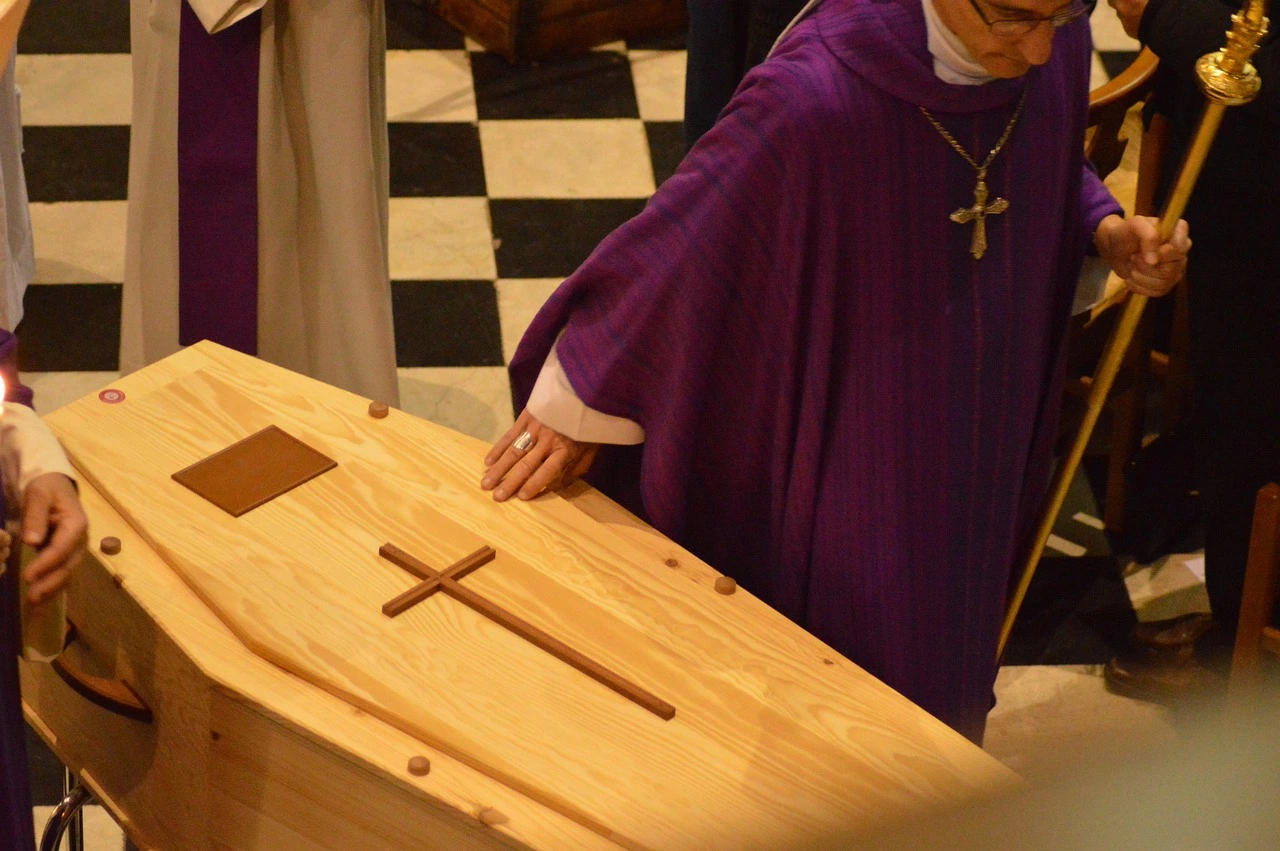
When contemplating the somber yet poignant event of a funeral, one is often confronted with a multitude of questions. Among them, the duration of funerals stands out, prompting inquiries into the intricacies that dictate the timeline following the departure of a loved one. This exploration transcends mere curiosity, inviting a nuanced understanding of cultural, familial, and procedural influences. In this discussion, we will delve into the various dimensions that determine how long funerals last after death, examining the myriad factors that shape this vital rite of passage.
Understanding the Immediate Aftermath
After death occurs, the bereaved are often enveloped in a whirlwind of emotion. Yet, amid the grief, certain practical matters demand attention. The initial stages involve securing a death certificate, coordinating with funeral homes, and possibly notifying close relatives and friends. This period can last from a few hours to a few days, particularly if family members must traverse long distances. Understanding this immediate timeline sets the stage for comprehending the funeral’s duration.
Funeral Preparation: The Crucial Timeframe
Funeral preparations typically commence shortly after death, frequently involving the selection of a funeral director. This professional plays a pivotal role, guiding families through a complex array of decisions, such as casket selection and service details. Generally, the preparation stage lasts anywhere from three to ten days. Varying cultural rituals, religious obligations, and family traditions profoundly impact this period. For instance, in some traditions, lengthy mourning periods necessitate a delay in funeral services, allowing for a more inclusive farewell.
Cultural and Religious Influences
Culture and religion substantially affect funeral duration. In many Western societies, funerals are often conducted within one week following death, aligning with traditional customs. However, in other cultures, the time frame may extend significantly. For example, certain Asian communities may hold funerals days—or even weeks—after death to accommodate collective mourning and preparation rituals. In Hinduism, a cremation is typically held promptly after death, yet the observance of mourning may span over weeks, or even up to a year, depending on familial customs.
The Structure of a Funeral Service
Once preparations are complete, the funeral service itself comprises various segments that contribute to its overall length. The structure commonly includes:
- Pre-Funeral Rituals: These may involve viewings or wakes, often lasting several hours or even spanning multiple days, allowing individuals to pay their respects.
- The Main Service: Typically accounted for as the core of the funeral, this ceremony usually lasts between 30 minutes to 90 minutes. The eulogy, music, prayers, and personal tributes offer an opportunity for poignant reflections.
- Post-Funeral Gatherings: After the formal service, a reception or repast may occur, allowing friends and family to share memories, which can last several hours.
Aggregating these components reveals that funerals, on average, can span anywhere from two to five hours on the day of the service, not including the extended times for viewings and memorials.
The Influence of Personal Choices
Amidst the formal structures and cultural dictates, personal decisions wield a significant influence over the duration of a funeral. Families may opt for elaborate ceremonies that include music ensembles, extended tributes, or unique commemorative rituals, inevitably lengthening the event. Conversely, some may choose minimalist services to reflect their loved one’s personal tastes, resulting in a more succinct duration. Understanding individual desires is crucial for tailoring a memorable farewell that honors the deceased while respecting the time constraints of attendees.
Geographical Considerations
Geography plays an unmatched role in funeral planning. Urban areas often present greater logistical challenges, potentially elongating the overall process due to travel time, availability of services, and scheduling conflicts. Conversely, in smaller towns, where communal bonds are stronger, funerals may unfold more seamlessly, often allowing for a quicker transition from death to tribute. This geographical disparity invites deeper reflection on how location can mold this intimate occasion.
Concluding Thoughts: Embracing the Experience
Ultimately, the duration of funerals after death is a multifaceted phenomenon influenced by a plethora of factors, from cultural traditions to personal choices and geographical realities. While the average funeral might last a few hours, the preparation and mourning phases extend beyond the immediate event, inviting a broader reflection on life, loss, and legacy. It is important to approach these moments with compassion and mindfulness, recognizing the irreplaceable journey of farewell that each funeral encapsulates. In this light, pondering the question, “How long are funerals after death?” unravels into an exploration of human connection, an acknowledgment of grief’s profound narrative, and an invitation to honor the poignant memories that resonate beyond the confines of time.








Leave a Comment