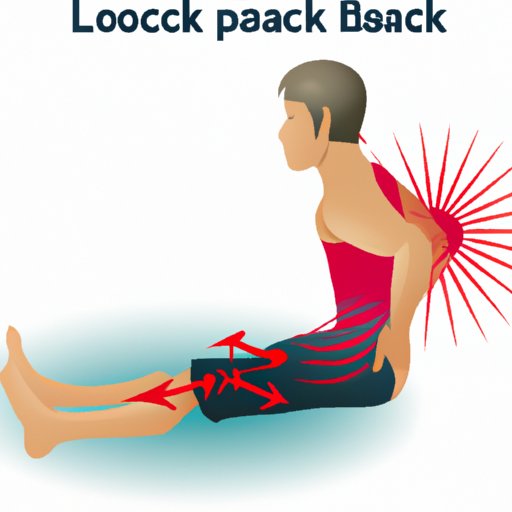
Lower back discomfort is a common affliction that plagues numerous individuals, often arising from poor posture, prolonged sitting, or strenuous physical activity. The desire to alleviate tension and restore mobility leads many to seek ways to “pop” or adjust their lower back, providing immediate relief. However, it is crucial to approach this practice with caution, understanding, and clarity. This guide aims to illuminate the various methods for safely achieving a satisfying pop in the lower back while prioritizing well-being and minimizing risk.
Understanding the Anatomy
Before delving into the techniques, it is imperative to grasp the anatomy of the lower back, also known as the lumbar spine. Comprised of five vertebrae, the lumbar region is supported by numerous ligaments, muscles, and intervertebral discs. Understanding these structures is essential, as they play a significant role in mobility and stability. The popping sound often associated with joint adjustments occurs when gas bubbles in the synovial fluid collapse or realign, creating a satisfying acoustic release. However, it is crucial to distinguish between natural popping and adjustments that may indicate underlying issues.
1. Simple Stretching Techniques
Engaging in gentle stretching is an effective means to alleviate tension and encourage a natural pop. Slow, deliberate stretches targeting the lower back can enhance flexibility and promote joint health.
- Seated Forward Bend: Sit on the floor with your legs extended. Slowly lean forward, reaching towards your toes, while keeping your back straight. Hold this position for 15-30 seconds to feel the gentle stretch in your lower back.
- Knees-to-Chest Stretch: Lie on your back and draw your knees toward your chest. This position can help release tension in the lower back. Hold for approximately 20-30 seconds, breathing deeply.
2. Mobility Exercises
Incorporating mobility exercises into your routine not only aids in popping your lower back but also fortifies the surrounding muscles. These movements can enhance spinal alignment while promoting overall strength.
- Hip Circle: Stand up straight, place your hands on your hips, and perform circular motions with your hips. This dynamic movement encourages fluidity in the lower back, contributing to pops.
- Cat-Cow Stretch: Assume a tabletop position on your hands and knees. Inhale as you arch your back (Cow), then exhale as you round it (Cat). This exercise facilitates spinal flexibility and can lead to gentle pops.
3. Advanced Techniques
For those comfortable with self-adjustment, more advanced techniques can yield satisfying results. It is paramount to exercise caution and prioritize safety.
- Supine Twist: Lie on your back, arms extended to the sides. Bring your knees to your chest, then gently lower them to one side while keeping your shoulders flat. This movement can encourage a delightful pop.
- Seated Spinal Twist: Sit cross-legged, then twist your torso to one side, leveraging your opposite arm for support. This can facilitate alignment and assist in achieving that satisfying release.
4. Utilizing Tools for Assistance
Accessories like foam rollers or massage balls can effectively target tension points within the lower back, often inducing pops. Here’s how to use them:
- Foam Roller: Lie on your back with a foam roller positioned under your lower back. Gently roll from side to side, allowing the roller to massage tension away. This can promote spinal alignment and trigger pops.
- Massage Ball: Place a tennis or massage ball between your lower back and a wall. Lean against the wall and move gently to locate areas of tension, providing a targeted release.
5. When to Seek Professional Help
While self-adjustment can be beneficial, it is crucial to recognize when professional intervention is necessary. Persistent pain, discomfort, or popping accompanied by unusual symptoms should prompt a consultation with a healthcare professional. A chiropractor or physical therapist can provide personalized advice and adjustments, ensuring a safe path to relief.
6. Aftercare and Maintenance
Once you achieve a satisfying pop, the journey does not end there. Engaging in preventive measures is key to maintaining a healthy lower back.
- Posture Correction: Prioritize good posture while sitting, standing, and moving. Ergonomic adjustments in your workspace can significantly impact spinal health.
- Regular Exercise: Strengthening exercises targeting the core and lower back can enhance stability and minimize the risk of future discomfort.
Maintaining flexibility through regular stretching and addressing any rigidity in the muscles surrounding the spine can contribute to long-term comfort. Adherence to a consistent routine fosters not only a healthier spine but also a more vibrant and energetic lifestyle.
Conclusion
Popping your lower back can offer immediate relief from discomfort, but it is essential to approach the process with mindfulness and care. By understanding your body’s anatomy, employing safe techniques, and recognizing when to seek professional guidance, you can unlock a path to enhanced spinal health. Remember, self-care is not merely a temporary fix; it is a commitment to a healthier, more active lifestyle. Wield this knowledge wisely, and may the journey toward comfort and mobility be fruitful.






Leave a Comment