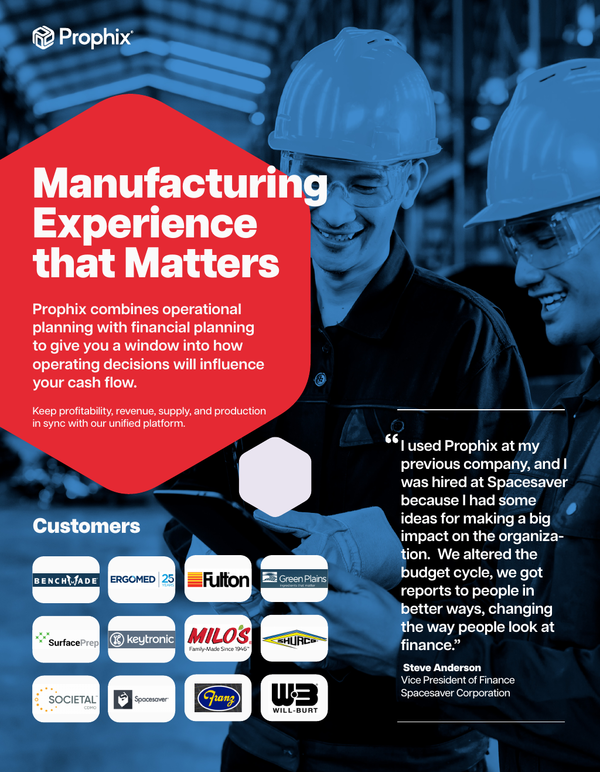
Imagine stepping into a world where ideas transform into tangible realities, where intricate processes dance together to yield the products that populate our daily lives. This is the essence of manufacturing experience—a kaleidoscopic journey through the realms of creativity, technology, and human ingenuity. For those engaged in this industry, manufacturing experience ranges beyond mere assembly lines or machining processes; it encapsulates the multifaceted interactions, skills, and insights that shape the production of goods.
Understanding manufacturing experience requires diving into a tapestry woven from various threads: the skills of the workforce, the technology employed, and the environmental factors influencing production. Let’s explore these intricate components that contribute to a deeper understanding of what constitutes manufacturing experience.
The Workforce: The Heartbeat of Manufacturing Experience
At the core of the manufacturing experience lies the workforce—individuals equipped with both manual dexterity and technical prowess. Each worker comprises a vital cog in the vast machinery of production. Their expertise ranges from skilled trades, such as welding and machining, to advanced roles involving robotics programming and quality assurance. This diverse skill set facilitates nuanced problem-solving, ensuring that production lines not only run smoothly but also adapt to the demands of an ever-evolving marketplace.
Moreover, the manufacturing experience is enriched by the unique blend of collaboration and communication within teams. Think of workers as musicians in an orchestra—each contributes to the harmonious output of a collective effort. The synergy that arises from this collaboration is emblematic of a thriving manufacturing environment, where insights are shared, creativity is sparked, and continuous improvement becomes second nature.
Technology: The Catalyst of Innovation
Transitioning to the technological landscape, one discovers a digital revolution transforming the very essence of manufacturing experience. Automation, artificial intelligence, and the Internet of Things (IoT) have become ubiquitous in modern manufacturing processes. Picture a finely tuned machine, with gears moving seamlessly—this reflects how technology synchronizes with human input to elevate productivity.
Indeed, advanced machinery such as CNC machines, 3D printers, and robotic arms integrate into production workflows, empowering workers to achieve greater efficiency and precision. The wonders of data analytics further amplify manufacturing experience, providing vital insights that inform decision-making. This evidence-based approach enables manufacturers to predict trends, optimize processes, and enhance overall quality, shifting the paradigm from traditional craftsmanship to an art form of modern engineering.
Environmental Factors: Setting the Stage
Just as a stage sets the scene for a theatrical performance, a conducive environment plays a critical role in crafting an optimal manufacturing experience. The layout of a production facility, the quality of lighting, and the effectiveness of the ventilation system can profoundly impact worker morale and productivity. A well-designed factory is akin to a well-rehearsed play, facilitating smooth interactions between people and processes.
Moreover, sustainability emerges as an essential consideration in the manufacturing experience. With increasing scrutiny on environmental impacts, manufacturers are compelled to adopt greener practices—implementing eco-friendly materials, minimizing waste, and optimizing energy consumption. This shift towards sustainability not only resonates with consumers but also reinforces a sense of purpose among workers. A commitment to responsible manufacturing creates a shared narrative, binding the team together in a mutual mission to preserve the planet for future generations.
Product Lifecycle: A Journey of Transformation
The manufacturing experience extends beyond the assembly line; it encapsulates the entire product lifecycle. From ideation and design to production and distribution, each stage embodies its own challenges and triumphs. Envision a sculptor chipping away at a block of marble, meticulously refining their craft—this underscores how manufacturing is an iterative process, requiring foresight, adaptability, and unwavering dedication.
In embracing comprehensive product lifecycle management (PLM), manufacturers can ensure each phase harmonizes with the last. This integration allows for valuable feedback to flow back through the production chain, improving designs and processes in a continuous loop. As a result, the consumer not only receives a product but also experiences the rich narrative of its creation, fostering a deeper appreciation for the craftsmanship involved.
The Future: A Symphony of Possibilities
As we gaze towards the horizon, the future of manufacturing experience appears to be a symphony of endless possibilities. Innovations continue to emerge at a rapid pace, promising to reshape industries and redefine the very nature of production. Concepts like additive manufacturing and augmented reality are not just buzzwords; they herald a transformation in how products are conceived and brought to life.
Cultivating a culture of lifelong learning and agility within organizations will be paramount. As the demands of the market evolve, so too must the skills and mindsets of the workforce. Drawing on the metaphor of a vine growing and intertwining with its surroundings, the manufacturing experience must adapt and flourish amid change, fostering resilience and creativity.
In conclusion, the manufacturing experience is a rich mosaic, composed of human talent, technological prowess, and environmental awareness. Each component interacts synergistically, creating an ecosystem that thrives on innovation and collaboration. As we navigate this intricate landscape, it becomes evident that manufacturing is not merely about production—it’s about the stories we tell through each product, the connections we forge within teams, and the sustainable legacy we aspire to leave behind.










Leave a Comment