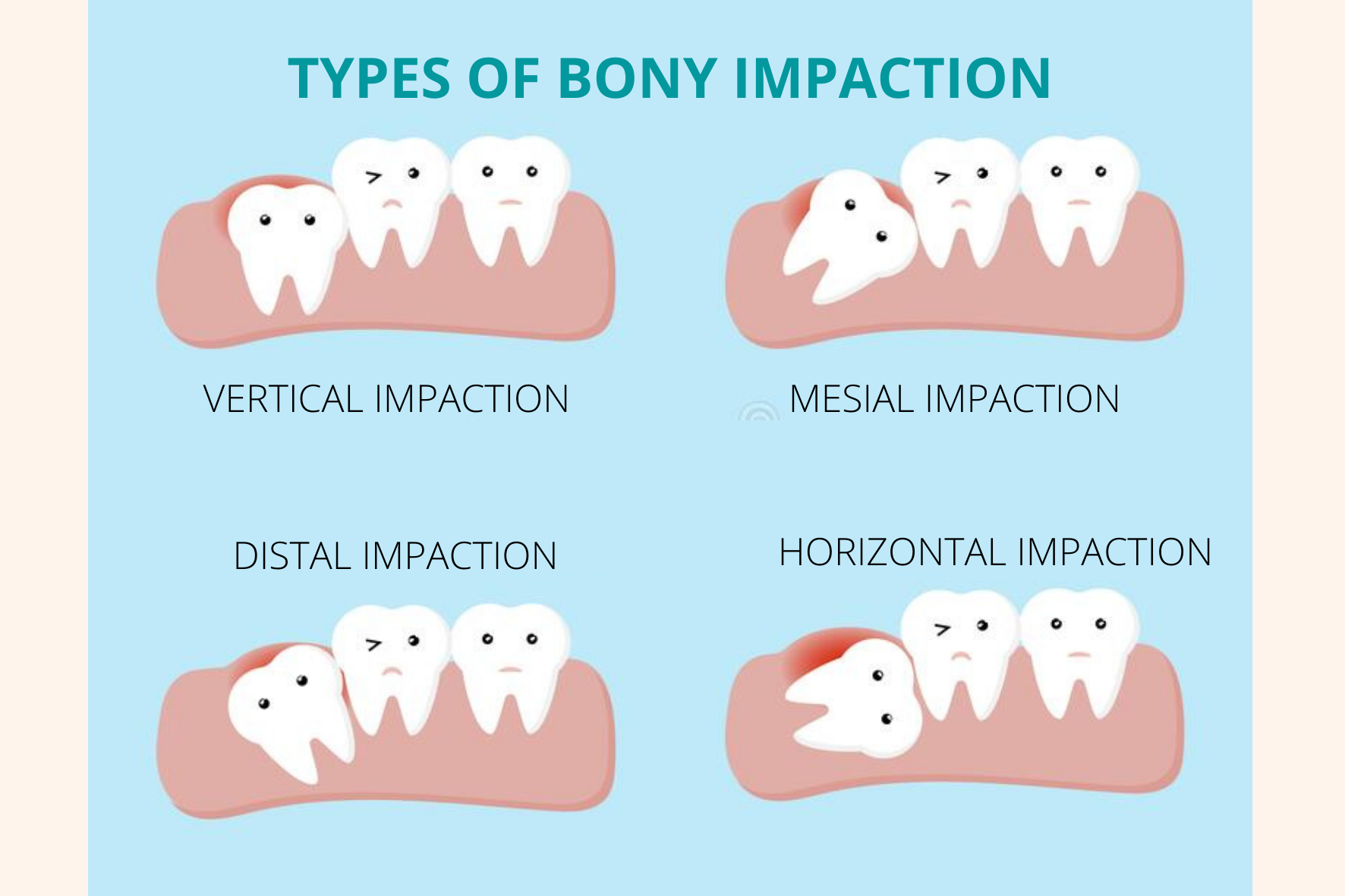
Impacted wisdom teeth, or third molars, are often a source of tremendous discomfort, yet many people are blissfully unaware of the potential symptoms that may arise as these teeth attempt to make their entrance into a crowded dental landscape. Positioned at the far ends of the mouth, wisdom teeth can become impinged against adjacent teeth or bone, leading to a myriad of complications that tell a deeper story than mere dental distress. Understanding the clinical manifestations of impacted wisdom teeth can illuminate the necessity of timely intervention and change one’s perception of dental health.
1. The Unyielding Discomfort
Perhaps the most immediate and ubiquitous sign of an impacted wisdom tooth is pain. This discomfort often presents as a persistent ache that radiates through the jaw, making itself felt not only in the gum area but also seeping through to neighboring teeth. The sensation can oscillate between a dull throb and acute sharp pain, especially when opening the mouth, consuming food, or even during routine movements such as yawning. With the encroachment of the wisdom tooth, the pain often intensifies, drawing attention to the tooth’s cryptic predicament.
2. Swelling and Inflammation
Accompanying the discomfort is a telltale sign of inflammation. The gums surrounding the impacted tooth may swell significantly, becoming red and tender to the touch. This inflammatory response often indicates infection or irritation caused by the tooth’s forced emergence. Patients may notice that the swelling can extend to other areas of the face, leading to an overall feeling of fullness or tightness. Such visual cues mark the struggle happening beneath the surface millimeter by millimeter.
3. Difficulty with Oral Functions
Impacted wisdom teeth can lead to challenges in performing ordinary oral functions. The pain and swelling may lead to acute difficulty in chewing and swallowing, making mealtime a daunting ordeal. Additionally, the presence of these teeth may affect one’s ability to speak clearly, causing slurred or difficult pronunciation of certain words. This trifecta of auditory and physical challenges can be frustrating and distracting, often leading to self-consciousness about one’s abilities in social situations.
4. Bad Breath and Unpleasant Taste
One may not immediately associate oral health issues with halitosis, yet the obstruction caused by an impacted wisdom tooth can lead to a striking escalation in bacterial growth. As food particles become trapped around the erupted area, it creates a ripe environment for bacteria, leading to not only persistent bad breath but also an unpleasant metallic or sour taste in the mouth. Such sensory perceptions can further complicate personal interactions, embedding a layer of discomfort in everyday life.
5. Headaches and Earaches
Interestingly, the discomfort associated with impacted wisdom teeth may often extend beyond the oral cavity. Tension headaches can manifest as a subtle, yet insistent backdrop to the saga of dental distress, often originating from the intricate relationship between the jaw and the cranium. Similarly, referred pain may create sensations mimicking earaches. The close proximity of the wisdom teeth to the ears can lead to confusion, as many may mistakenly attribute ear discomfort to a secondary issue rather than considering the primary cause stemming from dental complications.
6. Striking Changes in Oral Hygiene
For individuals experiencing the effects of an impacted wisdom tooth, there may also be a marked deterioration in their ability to maintain oral hygiene practices. The pain and swelling can make regular brushing and flossing feel unbearable, often leading to neglect. As plaque builds and oral health declines, it becomes a vicious cycle, further exacerbating existing issues and paving the way for potential gum disease or even systemic complications.
7. The Risk of Infection
One must recognize that an impacted wisdom tooth is not merely an inconvenience; it poses a tangible risk for developing infections such as pericoronitis, where the gum tissue located around the tooth becomes infected. Symptoms of pericoronitis can include fever, localized redness, or an unpleasant taste and odor from the area, compelling many to seek immediate dental attention. An untreated infection has the potential to trigger systemic repercussions, an alarming reminder of the interconnected nature of bodily health.
8. Diagnostic Revelations
The emergence of these symptoms often leads individuals to seek consultation with dental professionals. Dental examinations, often enhanced by panoramic X-rays, can reveal the true nature of relative tooth positioning—whether angles are askew, or if impaction has occurred. Such revelations can pivot one’s perspective on routine dental visits, as they unveil the significance of proactive assessments in averting future complications.
In conclusion, the realization of impacted wisdom tooth symptoms not only enhances one’s comprehension of dental health challenges but invites a proactive exploration of one’s oral landscape. Awareness of these signs can cultivate a mindset of vigilance and prompt action before discomfort spirals into systemic issues. Weighing the potential implications of impacted wisdom teeth allows individuals to reassess their dental care routines, transforming their approach toward maintaining optimal oral health. In the end, understanding might just be the key to transforming a painful chapter into a preventative success story.







Leave a Comment