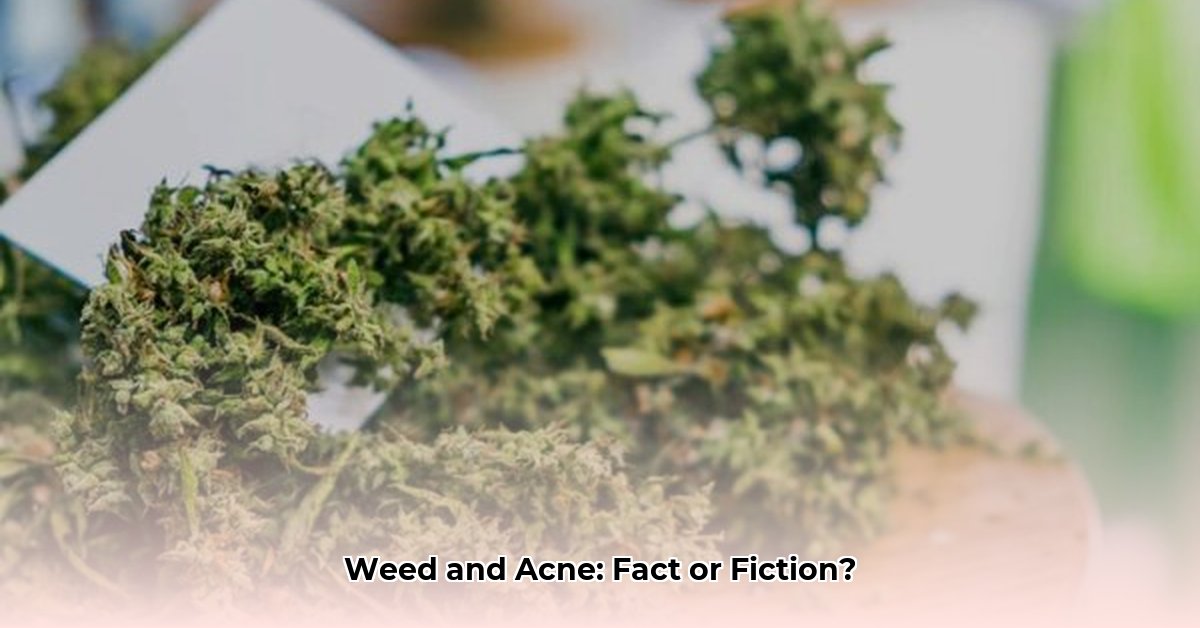
In the realm of skin care, acne remains an enigmatic adversary, vexing individuals across all demographics. Among the myriad of factors often implicated in the emergence of acne, cannabis—commonly referred to as weed—has ignited a spirited debate. Does weed lead to an increase in acne? This inquiry piques the interest of many, as the use of cannabis continues to burgeon globally. Beyond the surface-level exploration of this topic lies a web of biological, psychological, and environmental factors that merit closer examination. This article endeavors to unravel the intricate relationship between cannabis consumption and the skin, specifically with regard to acne formation.
The connection between cannabis and acne is not commonly addressed, yet observations abound. Many individuals have noted changes in their skin condition that coincide with their use of weed. While the link appears tenuous at first glance, one cannot overlook the potential underlying mechanisms that may influence this phenomenon.
1. Hormonal Fluctuations and Cannabinoid Influence
One of the predominant factors in acne development is hormonal fluctuations, particularly the surge in androgens—a group of hormones that includes testosterone. Cannabinoids, the active compounds in cannabis, have been shown to interact with the endocannabinoid system, potentially influencing hormonal balance. This interaction could inadvertently stimulate sebaceous glands, leading to increased oil production and clogged pores, a fertile ground for acne to proliferate.
The dynamic nature of hormonal regulation within the body may be further exacerbated by the varied methods of cannabis consumption. For instance, smoking or vaping may initiate additional stress responses that can lead to a spike in cortisol levels. Elevated cortisol can contribute to an exacerbation of acne through its effects on skin health and oil production.
2. Inflammation: The Double-Edged Sword
While cannabis is often lauded for its anti-inflammatory properties, its consumption can also trigger inflammatory responses in certain individuals. Inflammation is a known catalyst for acne, as it can cause periods of skin irritation leading to breakouts. The paradox lies in the fact that while some strains of cannabis might alleviate inflammation related to existing skin conditions, others may provoke it, suggesting that the strain, dosage, and individual biological response play crucial roles.
Moreover, certain ingestion methods, like smoking, can also introduce additional irritants to the skin and respiratory system, compounding inflammation. The act of smoking itself brings a host of toxins that may not only affect the lungs but can also contribute to skin health degradation—triggering a cascade of negative effects that worsen acne symptoms.
3. Psychological Implications and Acne
The psychological impact of cannabis should not be overlooked when addressing its association with acne. Many individuals use cannabis as a means to alleviate anxiety, stress, or depression, all of which can aggravate acne conditions. Increased cortisol levels, driven by heightened stress, can lead to heightened oil production and, consequently, more pronounced acne outbreaks. This cycle can become a vicious loop, where acne further fuels anxiety and self-image issues, leading to increased consumption of cannabis.
Furthermore, peer pressure and social interactions often lend themselves to patterns of cannabis use. This social aspect can create an environment ripe for the exacerbation of skin conditions, as individuals may resort to unhealthy coping mechanisms when facing societal expectations regarding appearance.
4. Lifestyle Factors Intertwined with Cannabis Use
To fully understand the ramifications of cannabis use on acne, one must also consider lifestyle factors that commonly accompany cannabis consumption. Individuals who partake in cannabis may also engage in other behaviors that predispose them to acne. Smoking tobacco, poor dietary choices, and irregular sleep patterns often correlate with cannabis enjoyment, all of which contribute to skin health deterioration.
Diet, particularly, plays a significant role in acne formation. A diet high in sugars and refined carbohydrates, coupled with cannabis indulgence, may amplify the likelihood of acne flare-ups. Moreover, dehydration, often resulting from cannabis use, can compound skin issues, leading to a parched complexion and potential acne flare-ups.
5. Individual Variation: A Personalized Approach
Perhaps the most crucial aspect of understanding the connection between weed and acne is recognizing the profound individual variability. What causes acne in one person may not have the same effect on another. Genetic predisposition, skin type, and overall health can dramatically influence how cannabis interacts with an individual’s skin. Thus, it becomes imperative to adopt a personalized approach to cannabis use and skin care.
Consulting with dermatologists and understanding personal history regarding acne can help in navigating this intricate relationship. A comprehensive evaluation of one’s lifestyle, including cannabis use, can yield insights that may assist in managing acne effectively.
In conclusion, the query of whether weed causes acne transcends a mere yes or no answer. Cannabis is a multifaceted substance that interacts with various biological, psychological, and environmental elements that can significantly influence skin health. While the potential for cannabis-induced acne exists, it is equally essential to consider the myriad of other factors at play. Ultimately, understanding this relationship necessitates a holistic view that prioritizes individuality and encourages informed decisions regarding cannabis consumption and skin care strategies.






Leave a Comment