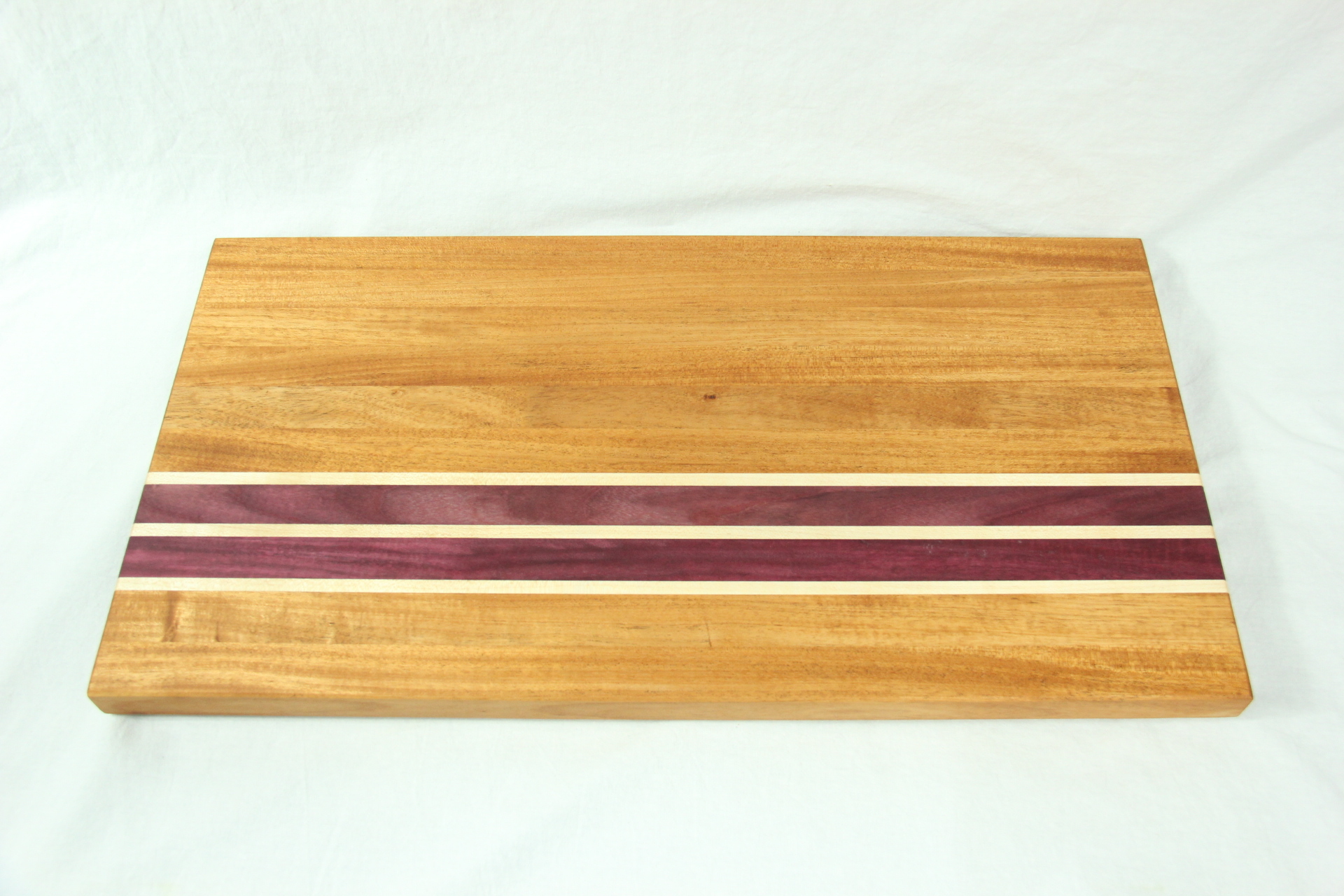
In the world of culinary tools, the humble cutting board often fades into the background, overshadowed by glimmering knives and flamboyant gadgets. However, the edge grain cutting board demands attention, not just for its aesthetic appeal, but for its distinct structural integrity and functional superiority. This wooden accessory, crafted with precision, serves as more than just a kitchen necessity; it represents an intersection of craftsmanship, utility, and an age-old appreciation for natural materials.
At first glance, edge grain cutting boards may appear similar to their counterparts. Yet, a deeper examination reveals a meticulous construction that distinguishes them in the culinary arena. Comprised of strips of wood arranged with the grain oriented vertically, these boards boast a sleek, sophisticated appearance. This configuration not only enhances their visual charm but also plays a pivotal role in their durability.
One of the most compelling aspects of edge grain cutting boards is their resilience. The vertical alignment of the wood fibers allows for a self-healing property. When a knife penetrates the surface, the fibers bend apart and subsequently return to their original position, minimizing the likelihood of deep gouges and ensuring longevity. This characteristic sets edge grain cutting boards apart from the more common, end grain boards, which, while exceptionally durable, feature a surface that can be difficult to maintain and is often bulkier in design.
Moreover, edge grain boards exude a manageable balance between aesthetic elegance and practicality. Available in an array of woods—ranging from the warm, rich hues of walnut to the lighter complexities of maple—these boards can effortlessly complement various kitchen decors. The natural variations in color and grain patterns imbue each board with its own unique personality, ensuring that no two pieces are exactly alike. This individuality resonates with those who harbor a fascination for artisanal craftsmanship, prompting admiration that transcends mere utility.
A palpable sense of craftsmanship permeates the world of edge grain cutting boards. The meticulous process of selection, cutting, and assembly showcases the dedication of artisans who invest time and effort into creating products designed to last. The quality of wood utilized plays an instrumental role; hardwoods like cherry and oak are preferred for their density and resistance to wear. Each cut must be precise, and glue joints must be strong enough to withstand daily use, all contributing to the board’s structural integrity. This artistry fosters a feeling akin to owning a bespoke piece—a treasure carved by skilled hands.
In addition to aesthetic and durability considerations, the health implications of using an edge grain cutting board are noteworthy. These boards are less porous than end grain options, presenting a relatively smooth surface that resists bacterial growth. When cleaned and maintained properly, the dense fibers can significantly lower the risk of cross-contamination, ensuring the safety of food preparation. These health benefits speak to the rising consciousness among home cooks and chefs alike regarding the importance of hygiene and food safety in the kitchen.
While the functionality and beauty of edge grain cutting boards are often highlighted, their emotional resonance is equally significant. For many, these boards act as a medium for memories— a space where culinary traditions are passed down through generations. The act of chopping vegetables, preparing family recipes, or hosting gatherings creates a canvas of experiences that resonate deeply with one’s personal narrative. Each knife mark tells a story, a testament to the rituals of cooking that bind families and friends.
Additionally, the growing movement towards sustainability has positioned edge grain cutting boards as a beacon of eco-conscious living. Many artisans source wood from responsibly managed forests, aligning with principles that prioritize conservation. The choice of a wooden cutting board, particularly one crafted from locally sourced lumber, reflects a thoughtful decision to embrace a lifestyle rooted in sustainability. This eco-friendly mindset contributes to the fascination surrounding these boards, linking them to broader discussions about environmental responsibility in daily practices.
In terms of care and maintenance, edge grain cutting boards are rather user-friendly. Regular oiling with food-safe mineral oil nourishes the wood, preventing it from drying out and cracking while enhancing its natural beauty. Simple cleaning with a mild soap and warm water, paired with immediate drying, ensures longevity without the need for complicated maintenance routines. This ease of care further augments their appeal amongst busy home cooks who seek both functionality and charm in their kitchen tools.
In conclusion, the allure of edge grain cutting boards transcends mere culinary utility. Their unique construction, aesthetic beauty, and cultural significance combine to create an object that is both practical and poetic. As kitchen accessories, they foster not only the preparation of food but also the creation of memories, the adoption of sustainable practices, and an appreciation for artisanal craftsmanship. Whether a cherished heirloom or a contemporary addition to a modern kitchen, these cutting boards stand testament to the intricate dance between form and function, solidifying their role as a beloved staple in the realm of culinary arts.











Leave a Comment