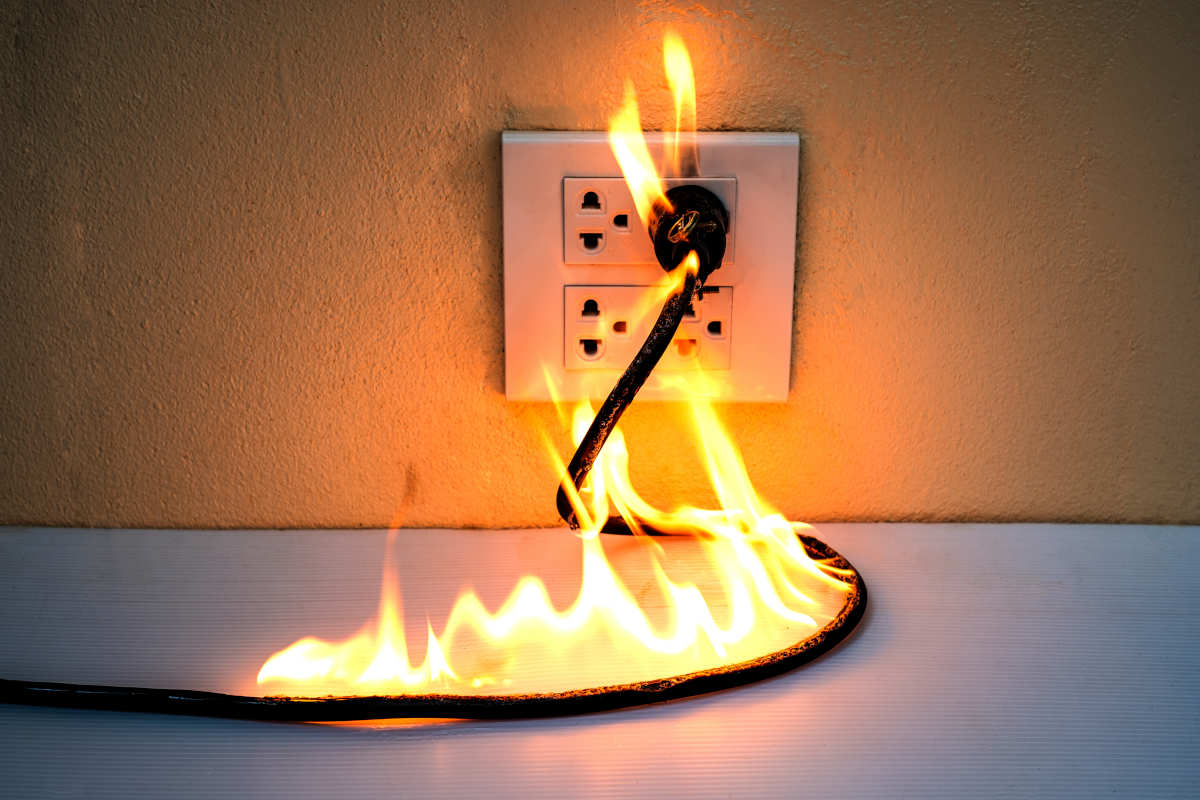
Electrical fires can erupt suddenly and with devastating consequences. Understanding how to respond swiftly and effectively is crucial for safety. It’s essential to grasp various types of electrical fires, the distinctive characteristics that differentiate them, and the methods for extinguishing them. This guide will outline essential strategies for subduing an electrical fire, as well as preventative measures to avoid these hazardous situations in the first place.
Recognizing Electrical Fires
Electrical fires often exhibit unique characteristics when compared to other types of blazes. These fires typically emerge from faulty wiring, overloaded circuits, or malfunctioning appliances. Common indicators that an electrical fire may be imminent include:
- Flickering Lights: A sudden dimming followed by flickering can suggest irregular electrical flow, signaling potential fire risks.
- Unusual Odors: The presence of burnt plastic or rubber smells is a foreboding sign of electrical malfunctions.
- Warm Surfaces: If outlets, cords, or appliances exhibit excessive heat, this is a critical warning sign.
Initial Steps Before the Fire Escalates
Your initial reaction can significantly influence the outcome. Here are immediate steps to take:
- Remain Calm: Panic can lead to poor decision-making. Take a moment to breathe deeply before reacting.
- Assess the Situation: Determine the size of the fire. If it’s manageable and you feel safe, you can attempt to extinguish it.
- Don’t Use Water: Water and electricity are a perilous combination. Never use water on an electrical fire; it can exacerbate the situation.
Extinguishing Electrical Fires Safely
Should you choose to combat the fire immediately, consider the following extinguishing agent options:
- Class C Fire Extinguishers: These extinguishers are explicitly designed for electrical fires and use non-conductive agents like carbon dioxide (CO2) or dry chemical powders. Ensure to aim at the base of the fire and discharge the extinguisher in a sweeping motion.
- Fire Blankets: If the fire is small and contained, a fire blanket can be effective. Carefully cover the flames to smother the fire by cutting off its oxygen supply.
- Dry Chemical Agents: In a pinch, substances like baking soda can help extinguish small fires. The sodium bicarbonate creates a barrier between the flames and the oxygen.
When to Evacuate
If the fire expands or you find yourself in a precarious position, evacuation is imperative. Recognize the telltale signs that indicate it’s time to leave:
- Rapidly Spreading Flames: If the fire is spreading beyond its origin, immediate evacuation is necessary.
- Smoke Inhalation: Smoke can be lethal. If you begin to feel lightheaded or encounter difficulty breathing, exit the premises without delay.
- Loud Cracking Noises: This could indicate structural failure or explosions, prompting you to leave at once.
Calling for Help
Regardless of whether you manage to extinguish the fire, always consider calling emergency services. Fires can reignite or smolder undetected, presenting ongoing risks. Be prepared to provide detailed information such as:
- Exact Location: Provide your address clearly.
- Description of the Fire: Explain the nature and size of the fire, as this will prepare emergency responders for the situation.
- Injuries: Notify them if anyone is injured or if there are potential casualties.
Preventative Measures
Prevention is paramount when it comes to electrical fires. Consider the following strategies:
- Regular Inspections: Schedule periodic evaluations of your electrical systems by a certified electrician. Identifying and repairing faulty wiring or components can avert disasters.
- Use Proper Wattage: Adhere to the recommended wattage for bulbs and appliances; using excessive wattage can cause overheating and fires.
- Install Ground Fault Circuit Interrupters (GFCI): These devices can shut off electrical circuits if they detect an imbalance, significantly reducing the risk of electrical fires.
Educating Yourself and Others
Awareness is critical in fire safety. Educate yourself, your family, and coworkers about the characteristics of electrical fires and how to manage them. Conduct fire drills and encourage discussions about emergency procedures. Awareness can greatly enhance your readiness to respond in an emergency.
In conclusion, electrical fires are formidable threats that require knowledge and caution. By equipping yourself with the necessary understanding of fire behavior, extinguishing methods, and preventative strategies, you can diminish risks and protect lives. In any event of an electrical fire, remember: safety first. When in doubt, lean on professional fire services and never hesitate to evacuate.










Leave a Comment