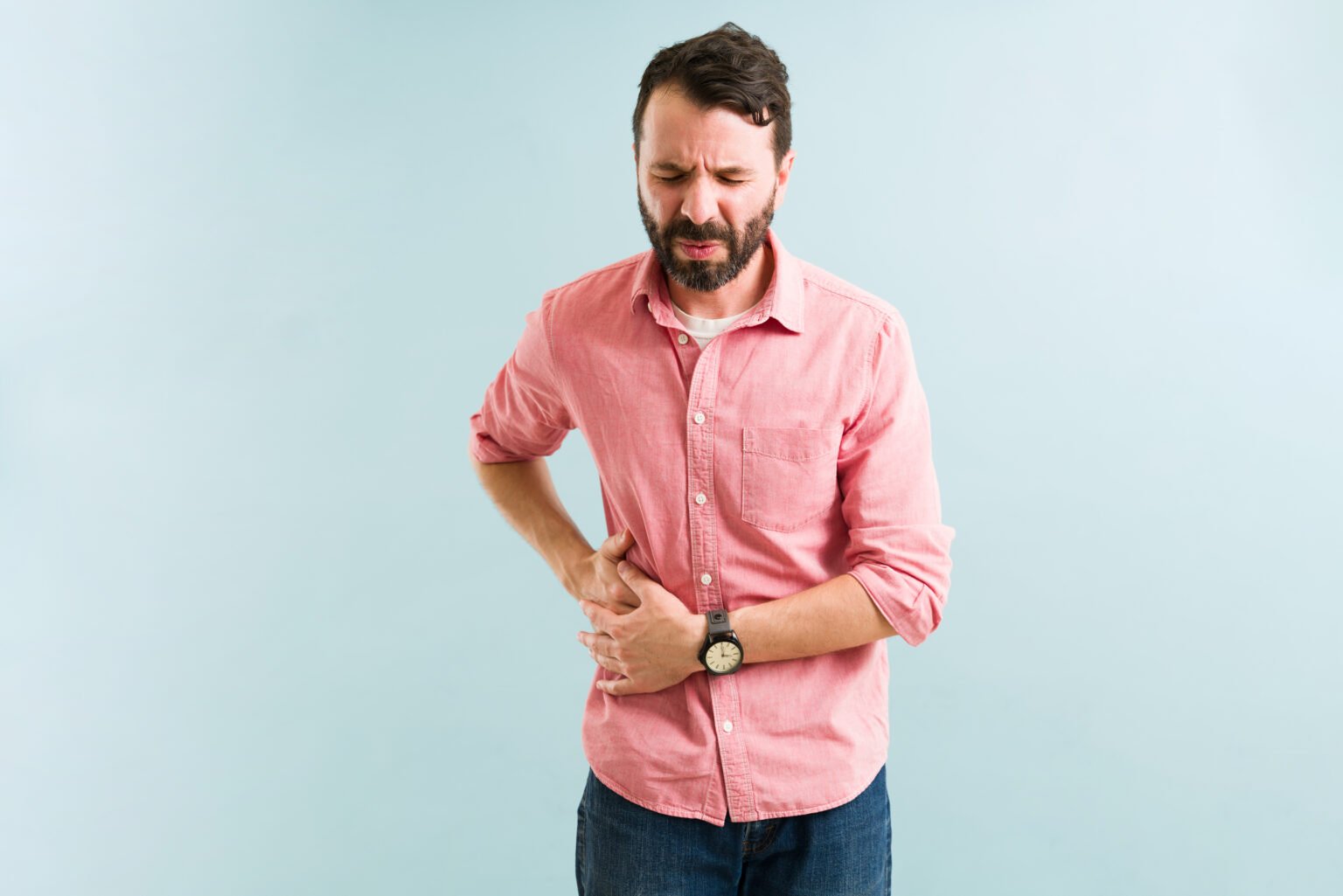
The gallbladder, a small yet significant organ nestled beneath the liver, plays an essential role in digesting fats. It stores and concentrates bile, a digestive fluid produced by the liver, which is released into the small intestine to aid in the breakdown of dietary fats. However, various ailments can compromise its functionality, leading to the need for surgical removal. Understanding the signs that indicate a malfunctioning gallbladder is crucial for maintaining your holistic well-being. Here, we delve into the myriad signs that might suggest it’s time to consider gallbladder removal.
1. Recognizing Abdominal Discomfort
One of the most prevalent signs of gallbladder issues is discomfort or pain in the upper right quadrant of the abdomen. Often described as a steady ache, this sensation can escalate to a sharp, stabbing pain, particularly following a fatty meal. The persistent nature of this discomfort can be a hint that the gallbladder is struggling to perform its duties.
2. The Impact of Biliary Colic
Biliary colic refers to sudden episodes of pain caused by the gallbladder trying to expel bile, often obstructed by gallstones. This pain may radiate to the back or right shoulder blade, an indication that the gallbladder may no longer be effectively managing bile. Such bouts may cause individuals to seek comfortable positions, often curling up or pacing in an attempt to alleviate discomfort.
3. Navigating Nausea and Vomiting
An overwhelming wave of nausea, coupled with bouts of vomiting, may signal a distressing situation involving the gallbladder. This often occurs after meals, especially those rich in fats. This symptom should not be taken lightly, as it may indicate gallbladder dysregulation or the presence of gallstones.
4. Changes in Gastric Function
Individuals may experience notable changes in digestion, such as bloating, gas, or indigestion, particularly after consuming fatty or greasy foods. If these digestive disruptions become frequent, the body’s inability to process fats efficiently may warrant further investigation into gallbladder health.
5. The Telltale Signs of Jaundice
A yellowing of the skin or eyes, known as jaundice, can occur when bile ducts are obstructed. This can be a sign of serious gallbladder problems, specifically in the presence of gallstones blocking the bile flow. Jaundice serves as a critical warning, indicating that immediate medical intervention may be necessary.
6. Fever and Chills
If accompanied by fever and chills, abdominal pain may suggest that an infection is present, potentially due to gallbladder inflammation, or cholecystitis. This inflammatory condition can be debilitating, with fever acting as the body’s alarm system. For any such symptoms, seeking urgent medical evaluation is imperative.
7. Unexplained Weight Changes
Significant weight loss or gain, especially if accompanied by digestive complaints, could hint at gallbladder disorders. Unable to digest fats effectively, individuals might find themselves unintentionally shedding pounds or, conversely, gaining weight due to altered dietary habits and decreased nutrient absorption.
8. Experiencing Recurrent Gallstones
Gallstones, hardened deposits that form in the gallbladder, can recur despite previous symptomatic treatments. If you find recurring episodes of gallstones, this persistence indicates an underlying issue with gallbladder function, meriting a comprehensive evaluation by a healthcare professional.
9. Imaging and Diagnostic Tests
Medical evaluations often involve imaging techniques such as ultrasound or CT scans, which can reveal the presence of gallstones or inflammation. If imaging shows significant abnormalities, it may confirm the need for surgical intervention. Staying informed about these diagnostic processes can heighten your understanding of your gallbladder’s health status.
10. The Role of Diet in Gallbladder Function
Diet plays an integral role in gallbladder health. If changes in eating habits provoke symptoms, it’s a sign that your gallbladder might be struggling. Keeping a food diary can help identify correlations between dietary choices and symptoms, guiding conversations with healthcare providers regarding potential surgical considerations.
11. Lifestyle Factors to Consider
Factors such as obesity, sedentary lifestyle, and rapid weight loss can heighten the risk of gallbladder issues. Understanding these lifestyle influences can empower individuals to make informed decisions about their health. Engaging in regular physical activity and a balanced diet can mitigate future gallbladder problems.
12. Consulting Healthcare Professionals
Ultimately, the pathway to gallbladder health is through proactive engagement with healthcare providers. If you find yourself experiencing a combination of the aforementioned symptoms, it is crucial to seek professional advice. Gallbladder surgery, or cholecystectomy, often serves as a safe and effective solution, offering relief from chronic symptoms and preventing potential complications.
In summary, being aware of the signs that indicate a malfunctioning gallbladder can transform your approach to health management. Recognizing these symptoms empowers you to make informed decisions regarding medical intervention. While the gallbladder may be small, its impact on digestion and overall health is profound. If you suspect gallbladder issues, seek assistance to ensure that you empower your body to thrive.









Leave a Comment