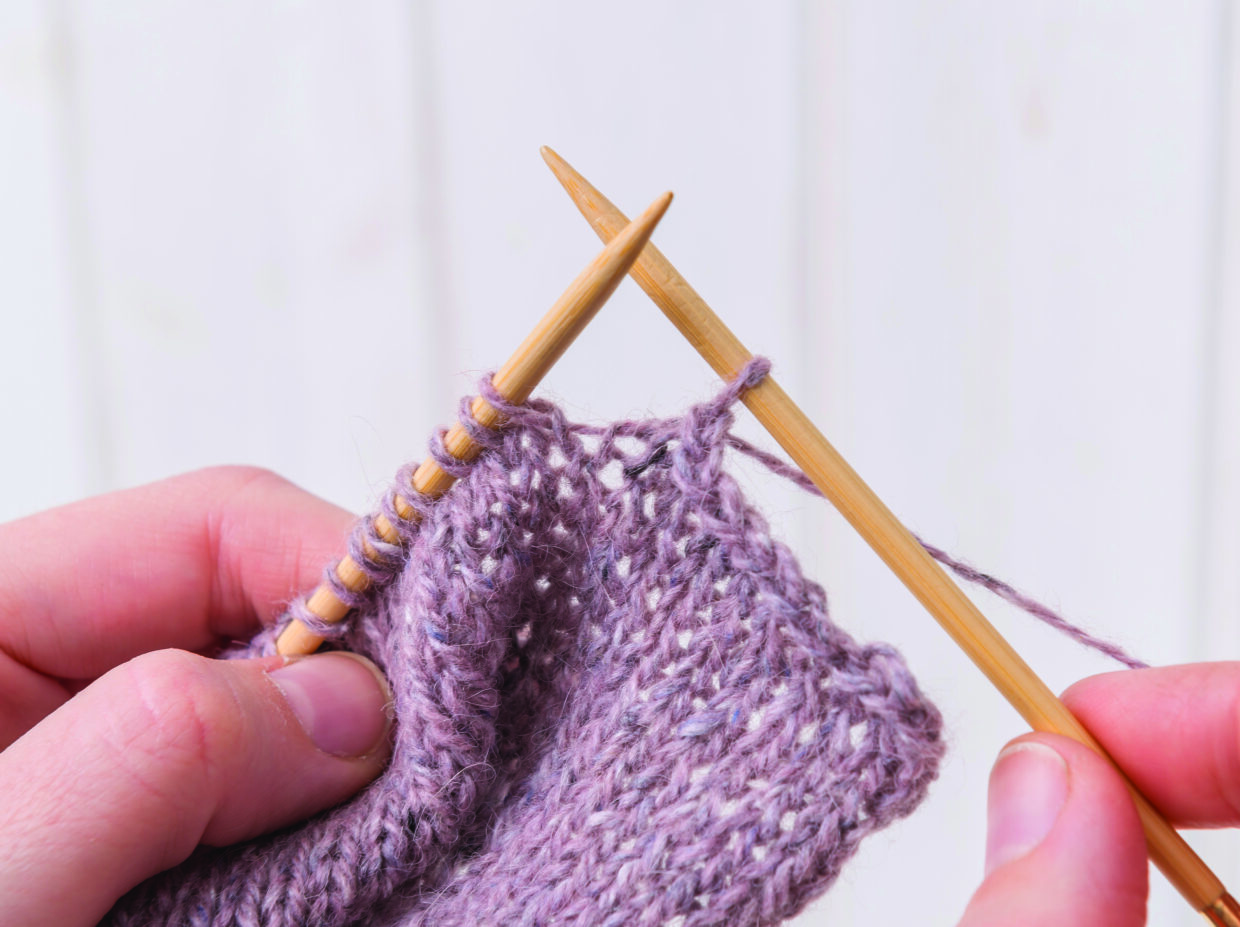
Knitting is a delightful craft, one that weaves together creativity, skill, and serenity. Yet, as you approach the culmination of your project, a new challenge arises: casting off. This essential technique ensures that your beautiful handiwork doesn’t unravel. But here’s the twist: are you truly ready to complete your masterpiece? The act of casting off can sometimes feel uncertain, leaving knitters pondering the best method to secure their stitches while preserving the integrity of their work. Fear not! With the right guidance, you can conquer this final frontier with style and finesse. Here’s a detailed guide to casting off in knitting, equipping you with techniques that will enhance your projects and bolster your confidence.
Understanding the Importance of Casting Off
The process of casting off, or binding off, is what transforms a series of connected loops into a finished piece of fabric. It is the technique that gives your project its final shape, preventing it from unraveling further. Without a proper cast-off, even the most intricate patterns can become undone, leading to frustration and disappointment. Thus, mastering this skill is vital.
The Basic Method of Casting Off
Before delving into varying techniques, it’s essential to understand the basic method of casting off:
- Prepare Your Needles: With your project still on the needle, ensure you have a secondary needle or enough space to work. This step is crucial for a seamless cast-off.
- Knit the First Two Stitches: Start by knitting the first stitch, and then knit the second stitch, creating two stitches on your right needle.
- Bind Off the First Stitch: Use the left needle to lift the first stitch over the second stitch and drop it off. This leaves one stitch on your right needle.
- Continue Binding Off: Knit another stitch and repeat the process, lifting the previous stitch over the current stitch until all knit stitches have been bound off.
- Finish the Last Stitch: Once you’ve one stitch left, cut the yarn, leaving a tail, and pull it through the last stitch to secure it.
With this basic method in hand, you can venture into more advanced techniques and creative adaptations.
Innovative Casting Off Techniques
While the basic method is immensely helpful, exploring different casting off techniques can yield unique results, allowing for customization and variation in your finished projects.
- Stretchy Bind Off: Perfect for projects that require elasticity, this method employs a yarn-over while binding off, creating a looser edge that stretches. Ideal for projects like socks or fitted garments.
- Picot Bind Off: This charming method adds a decorative touch to your edges. By knitting two stitches, casting off, then creating a yarn-over and binding off again, you create a looped effect that’s visually appealing.
- Two-Color Bind Off: If you’re working with two colors, this method allows for a clever interplay of shades. It involves using both colors alternately to create a vibrant edge, showcasing your creativity.
- Italian Bind Off: This technique produces a beautifully stretchy edge and is a favorite for many seasoned knitters. The Italian bind off involves alternating between knit and purl stitches, yielding a refined finish.
Each of these techniques brings a unique flair to your work, enhancing your finished project’s character.
Common Mistakes to Avoid
Even seasoned knitters can fall prey to common pitfalls while casting off. Here are a few mistakes to sidestep:
- Binding Off Too Tightly: A common error is casting off too tightly, which can distort the shape of your project. Aim for a relaxed tension to maintain flexibility.
- Forgetting to Leave a Tail: Always leave a sufficient tail when cutting the yarn at the end. A short tail may hinder the ability to weave in ends securely.
- Inconsistent Tension: Strive for consistent tension throughout the cast-off process. Inconsistent stitches can lead to an uneven edge, detracting from the overall aesthetic of your work.
Weaving in Ends: The Finishing Touch
Upon successful casting off, your project still requires a critical finishing touch: weaving in the ends. This task, while seemingly simple, Finalizes your project. Using a tapestry needle, thread your yarn tails and weave them back into the fabric to complete the professional look. Be sure to test the area to ensure a secure finish.
Conclusion: A Journey Completed
As you cast off, it’s important to appreciate the journey your project has taken from an idea to a tangible piece of fabric. Whether it’s a cozy scarf, a stylish sweater, or an intricately designed blanket, the casting off process is the gateway that leads to its completion. As you practice and master the various techniques, you not only enhance your skills but also enrich your creativity, enabling you to tackle even more intricate projects in the future. So, as you fondly admire your completed work, ask yourself: what challenge will you conquer next in the wonderful world of knitting?








Leave a Comment