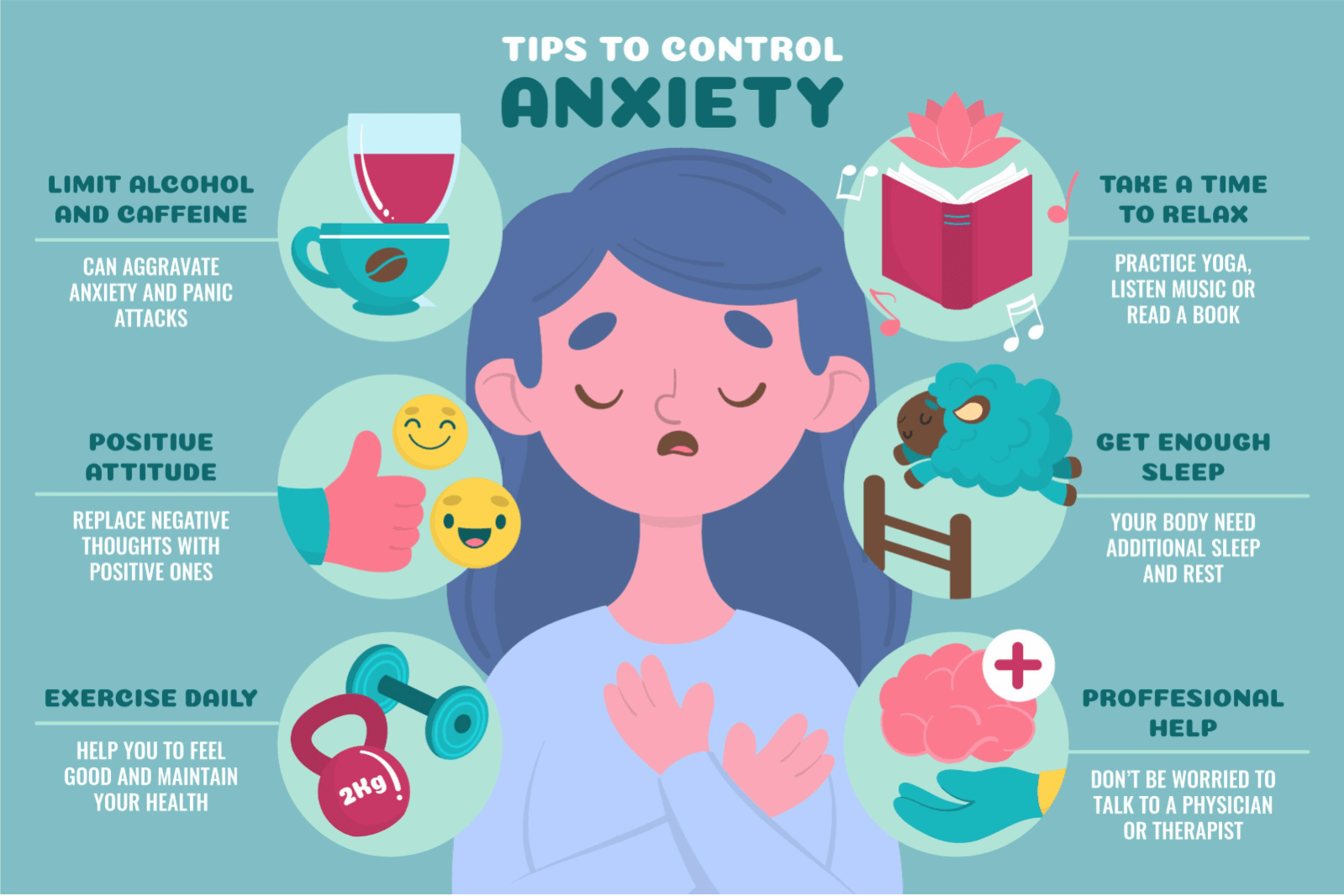
Coming out can be a monumental milestone in an individual’s life. It often signifies the transition from concealment to authenticity, allowing one to embrace their true self. However, the act of coming out can also incite a plethora of emotions, notably anxiety. The interplay between societal expectations, personal fears, and the quest for acceptance can create a daunting atmosphere. Herein, we delve into effective strategies to mitigate anxiety when contemplating this significant disclosure.
1. Understand Your Feelings
Before embarking on the coming out journey, it is essential to embark on a journey of self-reflection. Acknowledge the anxiety that accompanies this process. Is it rooted in fear of rejection, loss, or judgment? By categorizing these feelings, you open avenues to address them more effectively. Journaling can serve as a cathartic outlet, where you document not only your anxiety but also your hopes and affirmations for your future identity.
2. Educate Yourself
Knowledge is an invaluable ally in combatting anxiety. Familiarize yourself with the diverse experiences of individuals within the LGBTQ+ community. Understanding that many have traveled the same winding road can imbue you with a sense of solidarity. Investigate the psychological impacts of coming out, garnering insights on coping mechanisms that others found effective. This collective wisdom can diminish the enormity of your own situation.
3. Choose Your Environment Wisely
Your surroundings can either amplify or alleviate anxiety. Tailor your coming out experience to a setting that feels safe and supportive. Whether that’s a cozy living room with a trusted friend or a serene park, the right backdrop can help facilitate an open and honest conversation. Select a moment when you and your audience are free from distractions—this will evoke a sense of calm and increase the likelihood of a constructive dialogue.
4. Prepare for the Conversation
Anticipating the exchange can reduce feelings of trepidation. Outline key points you want to convey; this could include details about your identity, feelings, and what you hope for their response. Role-playing with a trusted confidant can provide a rehearsal space, allowing you to practice expressing your thoughts and refining your delivery. This preparatory work can bolster your confidence and lessen the burden of anxiety.
5. Set Realistic Expectations
Understand that people’s reactions may be varied and unpredictable. Some may embrace you wholeheartedly, while others might struggle to comprehend your reality. Approach the situation with tempered expectations, recognizing that growth and acceptance take time. Preparing for a spectrum of responses can ease the blow of any negativity while also helping you celebrate the positive affirmations.
6. Cultivate a Support Network
The journey of coming out doesn’t need to be traversed alone. Surround yourself with a network of supportive individuals who comprehend the complexities of your experience. This could include friends, family members, or local LGBTQ+ support groups. Engaging with others who have shared similar experiences allows you to exchange stories, seek advice, and forge connections that are vital for emotional resilience.
7. Practice Mindfulness Techniques
Technological advancements have ushered in a myriad of mindfulness tools that can significantly mitigate anxiety. Practices such as meditation, deep-breathing exercises, and yoga facilitate a centered mind. These techniques help anchor your thoughts and emotions, providing a sense of equanimity amidst the stormy waters of anxiety. Carving out time daily for mindfulness can cultivate a peaceful mindset leading up to your coming out.
8. Allow Yourself Time
Recognize that coming out is not a one-off event but rather a gradual process. Grant yourself the grace to evolve at your own pace. It is entirely valid to take time between revelations or to reconsider when and how to come out in different contexts. Each revelation can be a stepping stone toward self-acceptance, rather than a race to complete a checklist.
9. Embrace Positivity
Engage in positive affirmations and visualize positive outcomes for your coming out experience. Remind yourself of your inherent worth and the strength it takes to live authentically. Surround yourself with uplifting narratives and media that celebrate diversity and acceptance. The stories of resilience can inspire hope, fueling your resolve and assuaging anxiety.
10. Be Kind to Yourself
Above all, practice self-compassion. Understand that it’s normal to feel anxious and that this journey is deeply personal. Celebrate your courage and recognize that seeking acceptance from others cannot overshadow the importance of self-acceptance. Remind yourself that your feelings are valid, and it’s okay to lean on others for support when times get tough.
Coming out is a significant life event marked by profound emotional tumult. By understanding your feelings, preparing adequately, and leaning on community support, you can significantly alleviate the accompanying anxiety. Ultimately, the journey toward self-acceptance is a testament to your strength and authenticity. Embrace this chapter of your life with courage and an open heart, for the path of authenticity leads not only to self-realization but often to deeper connections and a vibrant sense of belonging.











Leave a Comment