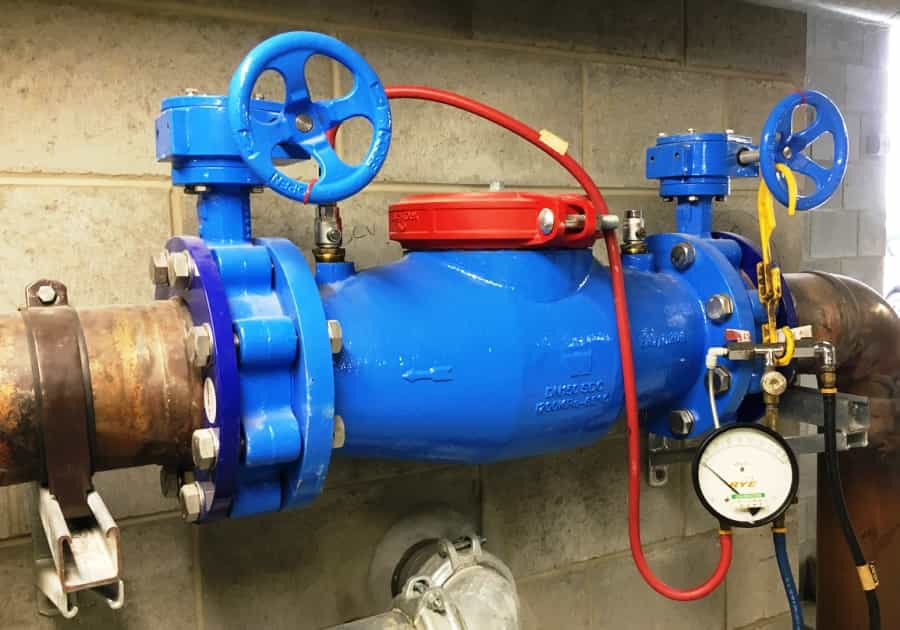
When it comes to ensuring the integrity of your plumbing system, understanding the significance of reliable backflow preventers and fill valves is paramount. Imagine this: what if one day you noticed murky water seeping back into your pristine drinking supply? The implications of backflow can be alarmingly profound, introducing potential contaminants that pose serious health risks. How confident are you in your current system’s ability to thwart such hazards? Let’s embark on an exploratory journey through the realm of backflow preventers and fill valves, dissecting what makes them dependable and how to choose the best for your needs.
Backflow preventers and fill valves serve as crucial guardians of our potable water systems. A backflow preventer is a specialized device that averts the reverse flow of contaminated water into clean water lines, and a fill valve controls the water level in tanks, ensuring that systems do not overflow or run dry. Each part, while performing its distinct function, contributes to a cohesive plumbing ecosystem designed to safeguard our water supply. However, selecting the right models can be daunting due to the myriad of options available on the market. This guide will illuminate the most reliable choices, along with practical tips that can help navigate this intricate landscape.
1. Understanding Backflow Prevention
Backflow prevention devices primarily operate under two categories: air gaps and mechanical backflow preventers. An air gap—often the simplest solution—creates a physical separation between the water supply and potential contaminants. In contrast, mechanical devices utilize various components, such as check valves, to ensure that water only flows in one direction.
2. Types of Backflow Preventers
Among the most reputable models in the industry are:
- Reduced Pressure Zone (RPZ) Assemblies: These sophisticated devices feature two check valves and a pressure differential relief valve. They are exceptionally effective for high-hazard applications, such as cross-connections with irrigation systems. Their ability to maintain a consistent pressure gradient ensures water integrity.
- Double Check Valve Assemblies (DCVA): Designed for moderate hazard situations, these units possess two independent check valves. They are less expensive than RPZ assemblies and are ideal for residential properties or low-risk applications.
- Pressure Vacuum Breakers (PVB): Representing a different mechanism, PVBs protect against back siphonage but are not suitable for situations involving back pressure. Their installation is often straightforward, making them a favorite for sprinkler systems.
3. Choosing a Reliable Fill Valve
While backflow preventers are critical, fill valves also play an indispensable role in safeguarding your water supply. A fill valve regulates the water level in tanks, toilets, and other fixtures. The most dependable types include:
- Float-Cup Valves: Comprising a floating mechanism that shuts off water flow once a predetermined level is reached, float-cup valves are common in residential settings. Their simplicity and efficiency make them favorites among homeowners.
- Floatless Valves: Utilizing electronic sensors to detect water levels, these valves eliminate the need for a float mechanism altogether. They grant enhanced precision and often come equipped with advanced features, ensuring optimal performance.
- Ballcock Valves: Well-known in older toilet models, ballcock valves function similarly to float-cup valves but utilize a ball instead of a cup. While they may not represent the most modern option, they remain reliable in various applications.
4. Installation and Maintenance Considerations
The efficacy of your backflow preventer and fill valve hinges significantly on proper installation and routine maintenance. Whether you opt for a professional installation or tackle the task as a DIY project, ensuring compliance with local codes is essential. Neglecting this crucial step can lead to unwanted fines or, even worse, compromised water safety.
Regular maintenance should include checking for debris, leaks, or any signs of wear. For backflow preventers, annual tests conducted by a certified technician can ensure consistent functionality. For fill valves, bi-annual inspections may suffice to maintain optimal performance. Developing a proactive maintenance routine can avert horrid consequences down the road.
5. How to Spot Quality among Options
With the proliferation of brands and models arrives an added challenge: distinguishing quality from mediocrity. Look for components made from durable materials resistant to corrosion, such as brass or high-grade plastic. Certifications from recognized bodies, such as the American Society of Sanitary Engineering (ASSE) or the International Association of Plumbing and Mechanical Officials (IAPMO), reflect adherence to rigorous standards, adding an extra layer of trust to your choices.
Conclusion
Backflow preventers and fill valves are integral components of any efficient plumbing system. By investing time in understanding their functionalities, exploring reliable options, and performing diligent maintenance, homeowners and businesses alike can protect their water supply from the lurking dangers of contamination. As you ponder the challenges associated with your existing plumbing systems, ask yourself: are you ready to take charge of your water quality? Making informed choices can empower you to safeguard your water supply effectively and efficiently.







Leave a Comment