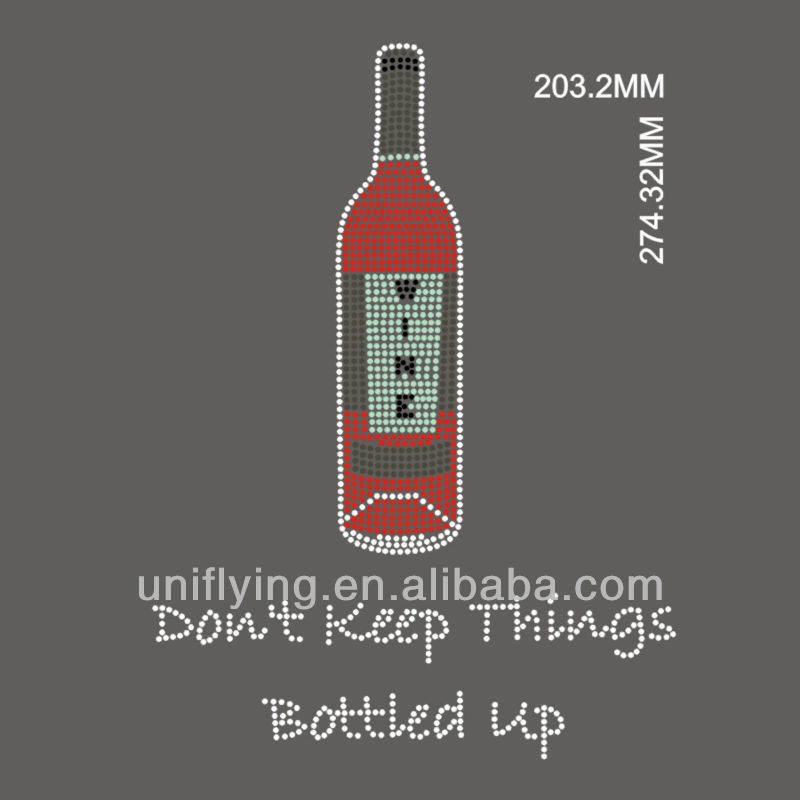
In the intricate tapestry of human experience, every individual possesses a reservoir of emotions, thoughts, and aspirations akin to a vast ocean. However, there are times when turbulent tides threaten to bottle up these depths, giving way to various dilemmas. Understanding whether you are keeping everything bottled up can be akin to catching a glimpse of a storm brewing beneath the serene surface of water. The following guide explores the signs, implications, and transformative insights that can help you navigate this emotional undertow.
1. Recognizing the Signs of Bottled-Up Emotions
Just as a boiling pot of water will eventually spill its contents, emotions left unexpressed can manifest in various ways. Here are several indicators that you might be stifling your feelings:
- Physical Symptoms: Frequent headaches, fatigue, or gastrointestinal issues may be the body’s way of signaling that something is amiss. When emotions are repressed, they often find a physical outlet.
- Difficulty in Expressing Feelings: If conveying basic emotions feels like fording a river with a boulder on your back, you may be bottling them up. An overwhelming sense of dread when considering sharing your feelings with others can be a red flag.
- Irritability or Anger: A sudden eruption of frustration over minor inconveniences can indicate a deeper reservoir of pent-up emotions. It’s as if the pressure cooker lid has been released unexpectedly, revealing simmering anxiety or disappointment that has long been repressed.
- Isolation: Withdrawing from social engagements or avoiding conversations can be a protective mechanism. This isolation can lead you deeper into your emotional abyss, further exacerbating the feeling of being bottled up.
2. The Emotional Architecture of Bottling Up
Emotional suppression is not merely a fleeting phase but rather an intricate construct akin to a colossal dam holding back a river. The consequence of long-term suppression creates an edifice of emotional pressure that can lead to catastrophic outcomes if left unchecked. Dive deeper into the psychological facets:
- Fear of Vulnerability: Many fear that revealing their true emotions will render them susceptible to judgment or rejection. This fear can create an emotional labyrinth that ensnares an individual in self-imposed silence.
- Coping Mechanisms: While it might seem advantageous to detach from emotions, this detachment often creates more instability. The initial relief can morph into guilt, shame, or unprocessed grief over time.
- Perception of Strength: Society often glorifies stoicism, leading many to equate emotional restraint with strength. This misconception can exacerbate the feeling of being trapped in an emotional straitjacket, where vulnerability is misconstrued as weakness.
3. The Consequences of Keeping Emotions Bottled Up
The longer one suppresses emotions, the more intricate the consequences become, resembling a web spun by a skilled arachnid. Below are some profound ramifications:
- Mental Health Impacts: Repeated suppression can birth anxiety disorders, depression, or even exacerbate existing mental health issues. Consider it a dark cloud that diminishes the sunlight of joy and fulfillment in life.
- Relationship Strain: Bottling up emotions often leads to communication breakdowns with loved ones. This emotional distance can sever connections, creating isolation that is both painful and debilitating.
- Difficulty Processing Grief: Avoiding feelings related to loss can lead to complicated grief, which slows healing. It’s akin to carrying an anchor that weighs heavier each day, preventing one from moving forward.
4. Strategies for Uncorking Your Emotions
If you recognize that you have indeed been keeping everything bottled up, it is crucial to find healthy ways to express your emotions. Here are effective strategies to uncork the bottle:
- Journaling: Writing can serve as a powerful cathartic release. By transcribing thoughts onto paper, one can confront and articulate emotions without judgment, revealing the intricacies of the internal conflict.
- Engaging in Creative Outlets: Art, music, or dance can facilitate emotional expression in unconventional ways. These creative endeavors can act as a vessel, transforming bottled feelings into tangible forms.
- Talking to Someone: Whether a trusted friend or a mental health professional, confiding in another can help illuminate the shadows of isolation. Vulnerability shared can manifest into support, creating a new emotional landscape.
- Mindfulness and Meditation: Practicing self-awareness allows you to confront your feelings in a safe, non-judgmental space. Mindfulness techniques foster acceptance and can ease the pressure built from bottled emotions.
5. The Journey Toward Emotional Liberation
Understanding the intricacies of emotional management is not merely an individual endeavor. It is a journey that often requires time, patience, and support from others. The first step toward emotional liberation is recognizing the demons dwelling within. Once acknowledged, the path can lead to a transformative experience where bottled feelings flow freely, enriching your life with authenticity and connection.
Letting go of bottled emotions not only frees the individual but also creates an environment for deeper relationships and enhanced mental well-being. Engaging with your emotions is like allowing sunlight to seep into the crevices of a long-neglected garden, encouraging growth and rejuvenation. Each step taken towards emotional honesty can paint a more vibrant picture of the life you wish to lead.









Leave a Comment