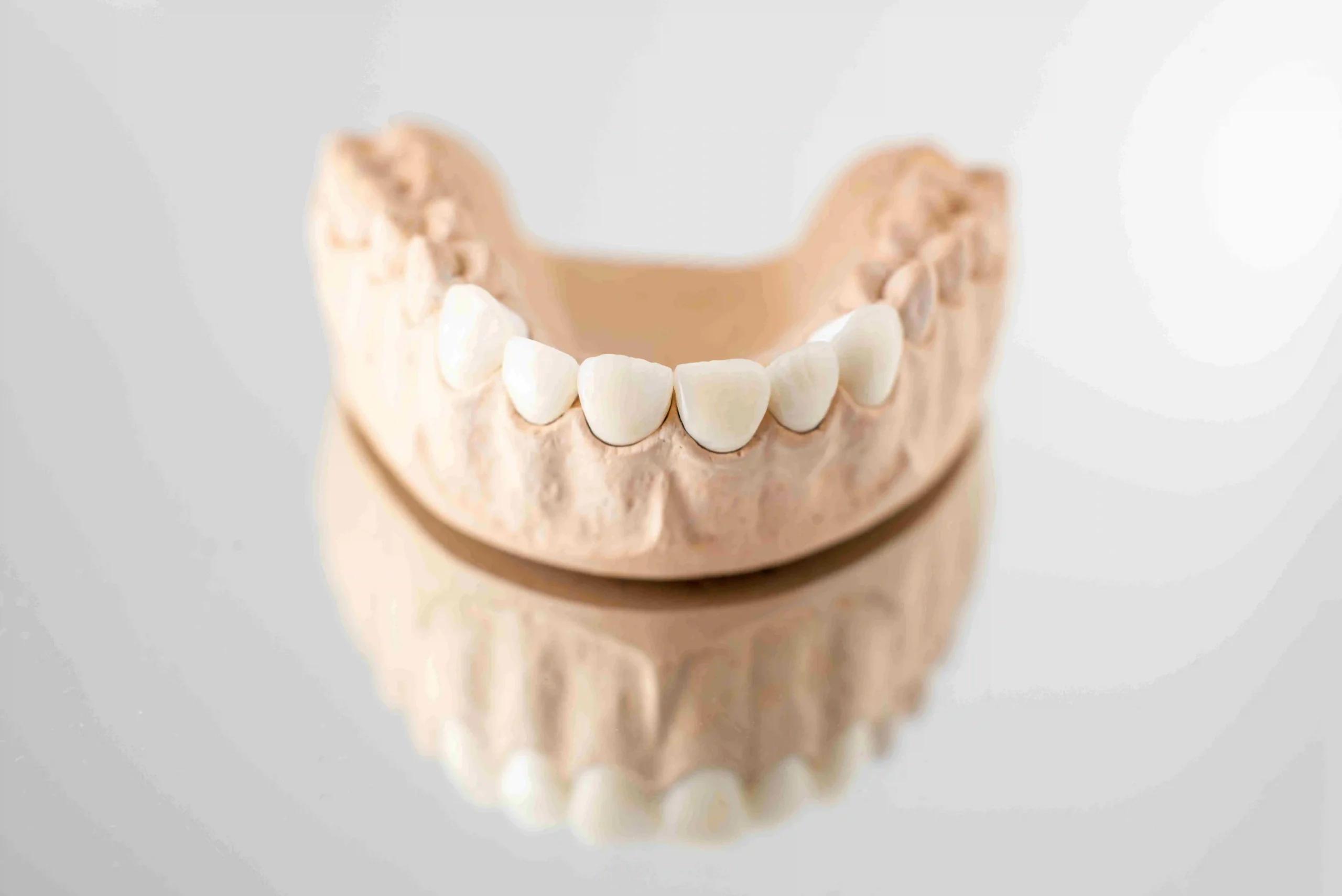
Dental implants have become a sought-after solution for tooth restoration, but they may not be suitable for everyone. Factors such as cost, medical conditions, or personal preferences can influence one’s choice for dental restoration. Thankfully, there are several viable alternatives to dental implants, each with distinct features and benefits. This article will explore various options, providing an exhaustive consideration of the alternatives available for those seeking tooth replacement solutions.
1. Dentures
Dentures are perhaps the most well-known alternative to dental implants. They come in two primary categories: complete and partial dentures. Complete dentures are designed for individuals who have lost all of their teeth in a specific arch, while partial dentures are used when some natural teeth remain. Dentures are typically made from acrylic resin, sometimes combined with metal for added strength. They are removable, allowing for easy cleaning, but may require adjustments over time as the jawbone undergoes changes.
2. Dental Bridges
Dental bridges provide another option for those missing one or more teeth. They consist of one or more artificial teeth (pontics) anchored between two dental crowns, which are placed on the adjoining natural teeth. This method is advantageous for those who prefer a fixed solution over removable dentures. Bridges can restore aesthetics and functionality efficiently, but they require the adjacent teeth to be altered, which may pose concerns for some patients.
3. Resin-Bonded Bridges
Resin-bonded bridges, often known as Maryland bridges, represent a less invasive alternative to traditional dental bridges. They consist of a pontic with wings that are adhered to the backs of neighboring teeth using a special resin. This technique helps preserve more of the natural tooth structure and is generally less expensive than its traditional counterpart. While providing a functional aesthetic, resin-bonded bridges may not be as durable as conventional bridges, necessitating careful consideration regarding their longevity.
4. Removable Partial Dentures (RPDs)
A removable partial denture, or RPD, is an excellent solution for patients with several missing teeth who wish to avoid surgical options. RPDs are custom-made to fit the patient’s mouth and can help enhance chewing ability while restoring the natural appearance of the smile. Constructed from durable materials such as acrylic or metal, they can be easily removed for maintenance and cleaning. However, RPDs may require periodic adjustments and can sometimes feel less stable than other, more permanent options.
5. Temporary Solutions
In certain scenarios, temporary solutions such as dental flippers or interim partial dentures can be employed while waiting for a more permanent restoration. Dental flippers are lightweight devices resembling a retainer, designed for aesthetics and simple functionality. They can help maintain the space and prevent the movement of adjacent teeth until a more robust solution is available. Although they serve a useful purpose, dental flippers should not be considered long-term alternatives due to their limited durability.
6. Osteointegration-Free Implants
For those hesitant about conventional dental implants, the innovative field of osteointegration-free implants offers an intriguing alternative. These implants utilize a unique anchorage system designed to bond with the soft tissues in the mouth rather than the bone itself. While still a relatively new concept, the technique promises easier placement and faster recovery times compared to traditional implants. Nevertheless, ongoing research is necessary to ascertain the long-term viability and effectiveness of such methods.
7. Cone Beam CT (CBCT) Guided Therapy
For individuals with complex dental issues or bone loss, cone beam computed tomography (CBCT) guided therapy may present a unique alternative. This advanced imaging technique allows for precise diagnosis and treatment planning, enabling the dental provider to identify areas where alternative methods might be safely implemented instead of resorting to implants. Backed by sophisticated technology, CBCT can enhance both the planning and execution of various restorative solutions beyond just focusing on implants alone.
8. Bone Grafting
In some circumstances, a patient’s jawbone may not be sufficient to support traditional implants. In such instances, bone grafting may be employed as a preparatory procedure, enabling the eventual placement of implants. While this process offers a possible long-term solution, it can be extensive and may extend the treatment timeline considerably. Patients should consult with their dental professional to explore this possibility alongside alternative restorative options.
Conclusion
Choosing the right alternative to dental implants requires careful consideration of various factors including cost, maintenance, and individual oral health. Each option offers its own unique advantages and drawbacks, from the familiarity of dentures to the innovation of osteointegration-free implants. It is vital for individuals to engage in thorough consultations with dental professionals to determine the most suitable pathway according to their specific needs and preferences. The world of dental restoration offers a broad spectrum of solutions beyond implants, facilitating the restoration of function and confidence for many individuals.








Leave a Comment