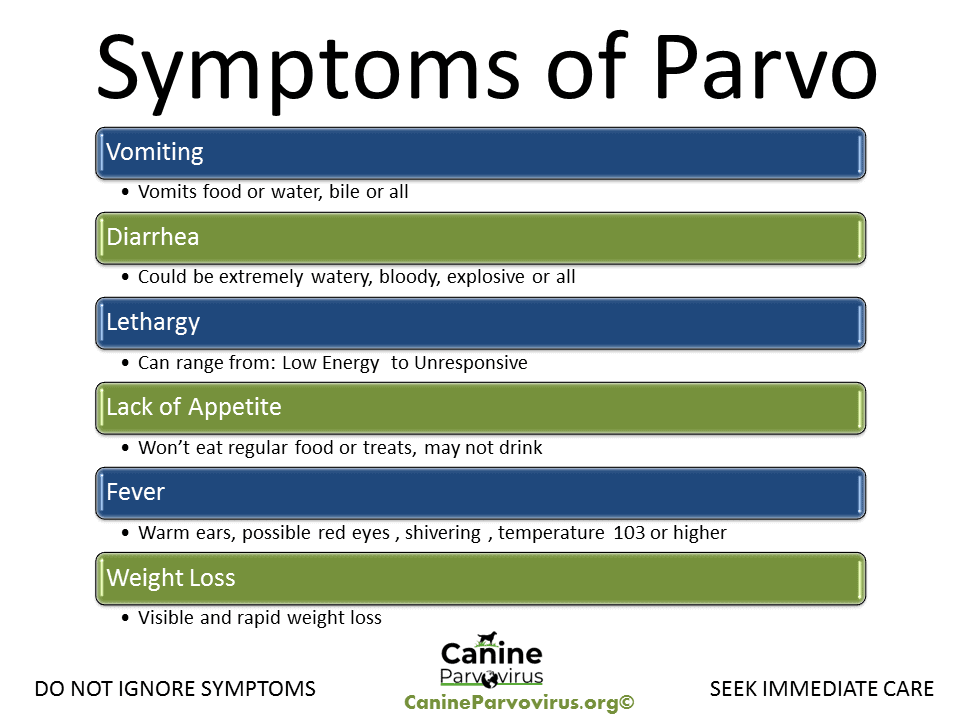
Canine parvovirus, commonly referred to as parvo, is a highly contagious virus that poses a severe threat to dogs, particularly puppies and unvaccinated adults. Understanding the symptoms of parvovirus is crucial for timely intervention. This guide elucidates the signs associated with parvovirus, emphasizing the need for vigilance among pet owners.
1. Overview of Parvovirus
Parvovirus is a robust virus that primarily attacks the rapidly dividing cells in a dog’s intestines and bone marrow. Its ability to survive in various environments and resist many disinfectants makes it a formidable adversary in canine health. This guide delves into the symptoms exhibited by dogs infected with parvovirus, facilitating early detection and prompt treatment.
2. Initial Symptoms
Early recognition of parvovirus is imperative. Symptoms often manifest suddenly and may include:
- Loss of Appetite: One of the first indications, a sudden disinterest in food can be alarming.
- Lethargy: Infected dogs may exhibit unusual tiredness or lack of energy, often lying down and showing minimal interest in normal activities.
- Fever: A moderate to high fever can develop, indicating an underlying infection.
These initial symptoms can often be dismissed as signs of routine illness. However, their persistence should prompt immediate veterinary consultation.
3. Gastrointestinal Disturbances
As the virus progresses, severe gastrointestinal symptoms typically ensue. These may include:
- Vomiting: Dogs may begin to vomit frequently, and the vomit may contain bile or undigested food.
- Diarrhea: Watery, foul-smelling diarrhea often characterized by a bright yellow or bloody appearance is a hallmark symptom of parvovirus. The diarrhea can quickly lead to dehydration.
- Abdominal Pain: Affected dogs may exhibit signs of discomfort when their abdomen is touched. They may adopt a hunched posture or resist movement.
These gastrointestinal disruptions can become critical rapidly due to the risk of dehydration and secondary complications.
4. Severe Dehydration
The loss of fluids through vomiting and diarrhea can lead to severe dehydration, a life-threatening condition. Signs include:
- Dry Gums: The mucous membranes may appear dry and sticky, lacking moisture.
- Sunken Eyes: As dehydration progresses, the eyes may appear sunken and lethargic.
- Skin Turgor: Poor skin elasticity, noted when the skin does not bounce back quickly when pinched, is a telling sign of dehydration.
Prompt treatment for dehydration, typically involving intravenous fluids, can be vital for recovery.
5. Advanced Symptoms
If left untreated, parvovirus can lead to more pronounced symptoms and complications, including:
- Septic Shock: The virus can compromise the immune system, leading to a bacterial overgrowth that may cause septic shock.
- Hemorrhagic Gastroenteritis: In severe cases, the intestinal lining can become necrotic, leading to bloody diarrhea.
- Secondary Infections: The compromised immune system can predispose dogs to other infections, complicating their clinical picture.
Recognizing the progression of symptoms can facilitate timely medical intervention, which is crucial in managing the disease.
6. Clinical Diagnosis
Veterinarians often rely on a combination of clinical signs and diagnostic tests to confirm a parvovirus infection. Initial assessments may include:
- Physical Examination: A thorough evaluation of the dog’s health status, looking for signs of dehydration and abdominal discomfort.
- Fecal Test: A rapid test can detect the presence of parvovirus antigens in the stool, providing a definitive diagnosis.
- Blood Tests: Complete blood counts may reveal low white blood cell counts, indicating bone marrow involvement and immune suppression.
Obtaining a swift diagnosis is essential for initiating the appropriate treatment protocol.
7. Implications of Symptoms
The symptoms associated with parvovirus not only signal illness but also serve as indicators of the dog’s overall health. Early recognition of signs allows for timely intervention, potentially reducing the duration and severity of the disease. Pet owners must remain vigilant, as the rapid onset of symptoms can lead to a decline in health within a matter of days.
8. Prevention Strategies
Understanding the symptoms of parvovirus also underscores the importance of preventive measures. These include:
- Vaccination: Ensuring that puppies receive their vaccinations according to recommended schedules is crucial for immunity.
- Hygiene: Maintaining cleanliness in the dog’s environment can help reduce the risk of viral transmission.
- Limiting Exposure: Young or unvaccinated dogs should be kept away from public areas where the virus may be present.
Developing a proactive approach to prevention will culminate in healthier, thriving canine companions.
Conclusion
A comprehensive understanding of parvovirus symptoms can empower pet owners to act swiftly and decisively in the face of this virulent disease. Recognizing the early warning signs, facilitating prompt veterinary care, and implementing preventive measures are all essential components of safeguarding your dog against parvovirus. Knowledge and attentiveness are your best allies in promoting canine health and longevity.










Leave a Comment