Brushing your teeth should feel like an invigorating burst of minty freshness, much like the first sip of a finely brewed tea. However, for many, this daily ritual morphs into a source of concern, as crimson droplets appear on the bristles of their toothbrush. The sight of blood mingling with toothpaste can feel akin to stumbling upon a hidden spring in a once-familiar garden—unnerving and disquieting. Why does this occur? Let us delve into the intricacies of dental health and uncover the potential reasons for this alarming yet often manageable phenomenon.
1. Understanding Gum Health
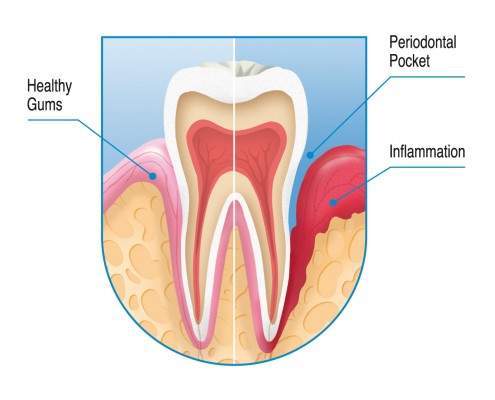
Your gums, much like the mulched borders of a garden, serve a vital role in safeguarding the roots, or in this case, the roots of your teeth. Healthy gums are generally firm and resilient, with a delicate pink hue. However, when dental hygiene falters, plaque—a sticky, colorless film of bacteria—can accumulate along the gumline. This accumulation is the genesis of gingivitis, an inflammation characterized by tender, swollen, and bleeding gums. If left unchecked, gingivitis can advance, leading to periodontal disease, which threatens the foundation of your dental landscape.
2. The Role of Plaque and Tartar
To comprehend the bleeding, it’s crucial to recognize the duality of plaque and tartar. Plaque acts as the invisible precursor, capable of transforming into tartar if allowed to harden. Tartar features a rough texture, akin to the encroachment of moss upon statuary, providing an ideal harboring ground for bacteria. When you brush, these irritants can severely agitate your gums, resulting in bleeding. This reaction is your body’s cry for help, signaling that it needs a more robust cleaning regimen.
3. Brushing Technique Matters
Imagine a painter delicately applying strokes to a canvas, requiring a gentle hand to avoid damage. Many individuals approach brushing with excessive force, as if the toothbrush were a weapon against the invisible adversary of plaque. This overzealous technique can indeed cause wear on both the enamel of your teeth and the delicate tissues of your gums. Adopting gentle, circular motions with a soft-bristled brush can not only enhance your oral hygiene but also mitigate any bleeding.
4. The Importance of Dental Products
The vast array of dental products available can be overwhelming, akin to walking through an apothecary filled with potions and tinctures. Selecting the right toothpaste is pivotal. Opt for a fluoridated option specifically designed for sensitive gums. These toothpastes often contain anti-inflammatory ingredients to soothe your gums and may help diminish bleeding. Moreover, consider incorporating an antimicrobial mouthwash into your routine, as it can effectively combat the bacteria lurking in the shadows of your dental landscape.
5. Lifestyle Factors at Play
Your oral health doesn’t exist in a vacuum; it’s interwoven with your overall lifestyle. Stress levels, hormonal changes, and dietary choices can all influence the state of your gums. High-stress periods can lead to a neglect of oral hygiene or cause individuals to unconsciously grind their teeth—another factor contributing to gum irritation and bleeding. Similarly, dietary deficiencies, particularly a lack of vitamin C, can weaken gum tissue, making them more susceptible to bleeding. A well-rounded diet rich in nutrients not only nourishes your body but fortifies your gums, much like a well-tended garden flourishes under the right conditions.
6. The Potential for Medical Conditions
While many instances of bleeding are harmless and easily remedied through diligent oral care, certain medical conditions may cast longer shadows. Disorders such as diabetes or blood clotting conditions can exacerbate gum bleeding. Medications that affect platelet function, such as anticoagulants, may also heighten the risk. If your bleeding persists despite improved oral habits, consulting with a healthcare professional is prudent. Your mouth could be reflecting an underlying health issue that necessitates attention.
7. Regular Dental Check-ups
Visiting a dentist is essential, much like regularly pruning an overgrown bush to promote new growth. Dentists bring a wealth of knowledge and resources to the table, equipped to detect underlying issues that may elude the untrained eye. Regular cleanings can effectively remove tartar and plaque buildup, while professional assessments ensure your gums and teeth are on the path to optimal health. Early intervention through these appointments can save you from more complex treatments in the future.
Conclusion: Embrace an Evolving Oral Routine
In summary, observing blood when brushing your teeth serves as a somber reminder of the delicate balance within your oral ecosystem. Understanding the factors that contribute to gum bleeding empowers you to take control of your dental health. Striving for meticulous dental care, adopting gentle techniques, selecting appropriate products, and maintaining regular dental appointments will not only alleviate bleeding but also ensure your smile remains vibrant and healthy. Ultimately, nurturing your pearls—your teeth—will reap rewards that go beyond the aesthetic; they lay the foundation for overall health, vitality, and confidence.








Leave a Comment