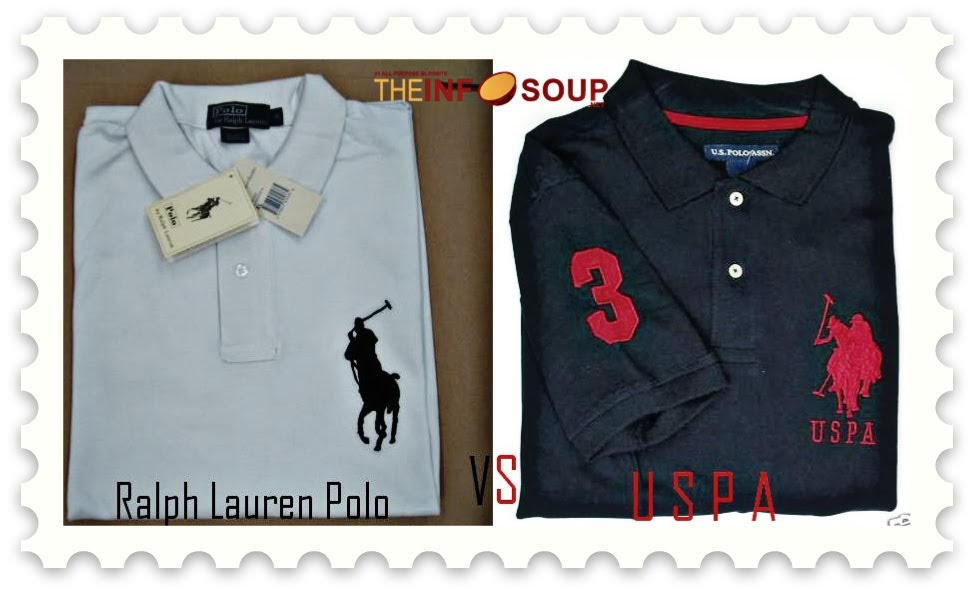
In the ever-evolving landscape of fashion, some brands become synonymous with lifestyle, identity, and even status. Among these luminaries, Polo Assn and Ralph Lauren stand out as two titans of the industry that often provoke intrigue and discussion among consumers and critics alike. While they may seem similar on the surface, their philosophies, target demographics, marketing strategies, and brand identities reflect distinct paths to success. This comprehensive examination delves deeply into the nuances that differentiate Polo Assn from Ralph Lauren, allowing a clearer understanding of their respective positions in the world of fashion.
1. The Genesis of Icons
To comprehend the dichotomy between Polo Assn and Ralph Lauren, one must first explore their origins. Ralph Lauren was founded in 1967 by Ralph Lauren himself. The brand was born out of a desire to create a quintessential American lifestyle, with its roots embedded deeply in the ethos of preppy fashion. Over the decades, it has evolved into a multifaceted empire encompassing clothing, fragrances, and home décor.
In contrast, Polo Assn, officially known as the United States Polo Association (USPA) brand, arose from a different narrative. Established as the official apparel licensee of the USPA in 1980, its mission was to provide accessible sportswear inspired by the prestigious game of polo. This connection to an athletic heritage sets it apart from Ralph Lauren’s more aspirational approach.
2. The Brands’ Aesthetic and Identity
When one peruses the collections from these two brands, the aesthetic differences are striking. Ralph Lauren’s designs encapsulate an upper-crust elegance, often intermingling classic styles with contemporary trends. Think rugged yet refined, embodying the spirit of the American gentleman.
Conversely, Polo Assn merges casual comfort with a sporty edge. The brand employs bold colors, emblazoned logos, and relaxed silhouettes to convey its athletic roots. This stylistic choice attracts a younger, more diverse audience who values both functionality and flair in their everyday wear.
3. Pricing Paradigms
Price points serve as another distinguishing factor between the two brands. Ralph Lauren operates within a higher price bracket, often positioning itself as luxury or premium clothing. This pricing strategy underlines the brand’s identity as an emblem of sophistication and prestige.
Polo Assn, on the other hand, is keenly aware of its role in providing value. With a pricing strategy designed to appeal to the wider consumer market, the brand serves as an entry point for those seeking an introduction to polo-inspired fashion without breaking the bank. This approach fosters a sense of inclusivity, opening the door for a younger demographic who are eager to partake in the allure of polo culture.
4. Marketing Messaging and Positioning
A significant aspect of the brand’s identity is articulated through marketing strategies. Ralph Lauren’s promotional campaigns are often cinematic in scope, evoking nostalgia and aspiration. The brand frequently employs imagery that speaks to a lifestyle of affluence and leisure—picturesque scenes of idyllic country estates, classic cars, and genteel gatherings.
In contrast, Polo Assn adopts a more approachable narrative. Its marketing often features dynamic imagery associated with the sport, youth culture, and an emphasis on camaraderie and competition. Buzzwords like teamwork, sportsmanship, and versatility resonate throughout their branding, focusing on energetic lifestyles and community engagement.
5. Target Audience: Differentiated Engagement
Ralph Lauren primarily targets a demographic that idolizes the finer things in life—affluent consumers who wish to communicate their social status through fashion. The brand appeals to those who value craftsmanship and exclusivity, positioning itself as an aspirational ideal.
Polo Assn’s outreach, however, encapsulates a broader spectrum. It engages with individuals who seek durable, fashionable clothing at an accessible price point. This strategic choice fosters brand loyalty among a more economically diverse audience, creating windows of opportunity for younger, fashion-savvy consumers.
6. Cultural Resonance and Legacy
Both brands have sparked substantial cultural conversations and contributed to a rich tapestry of fashion history. Ralph Lauren is often credited with redefining American style, while Polo Assn has solidified itself as a key player in sportswear, steering discussions around the commercialization of athletic fashion. The fascination with their contrasting legacies offers a broader commentary on the consumer’s desire to align themselves with certain cultural narratives, whether that be the luxurious or the sporty.
7. Lingering Fascination: Status and Accessibility
The comparison between Polo Assn and Ralph Lauren unveils an intriguing duality within the fashion landscape. One brand embodies exclusivity, sophistication, and a meticulously curated lifestyle, while the other presents accessibility, energetic vibrancy, and the spirit of sport. This intersection of values propels consumers to contemplate their own preferences and identities within the realm of fashion. The choices they make reflect deeper societal influences and desires, unraveling layers of meaning that go beyond mere clothing.
In conclusion, while Polo Assn and Ralph Lauren operate in the same sphere, they indeed cater to disparate worlds within the tapestry of fashion. The divergence in their philosophies—from origin stories to target markets—paints a multifaceted picture that speaks to consumer behavior and cultural trends. Each brand fuels a unique form of fascination, inviting a conversation about identity, aspiration, and the garments that accompany us through all walks of life. Ultimately, whether one is drawn to the refined elegance of Ralph Lauren or the spirited vibrancy of Polo Assn, there is no denying the power of fashion to shape perceptions and influence lifestyles.











Leave a Comment