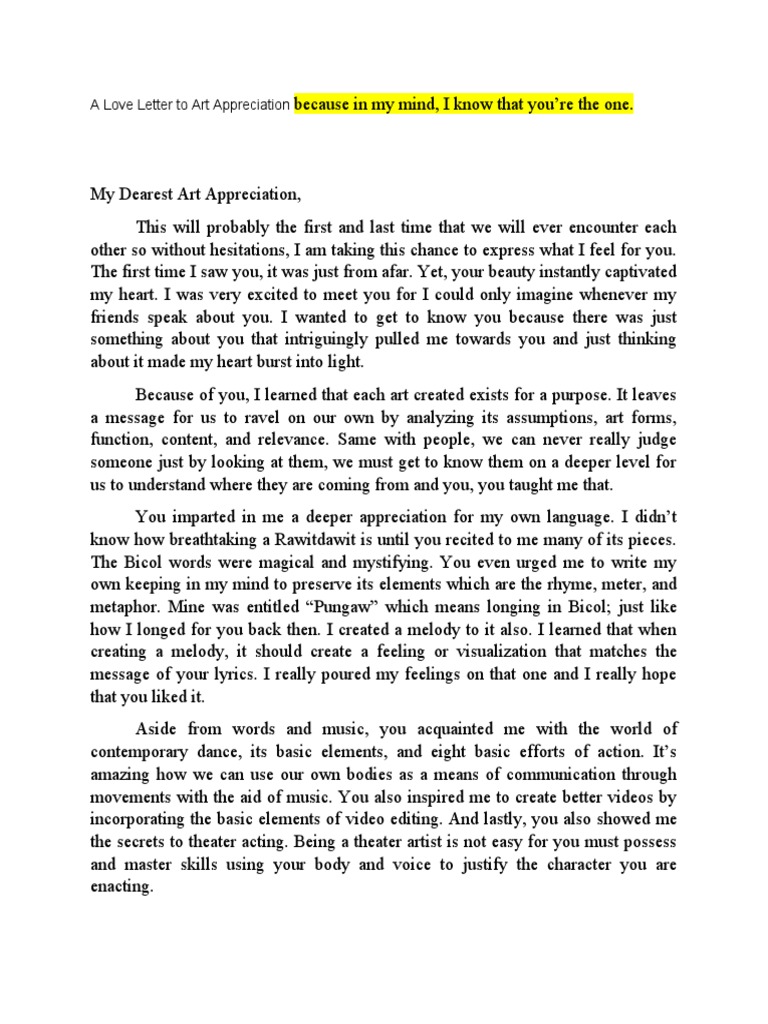
Art is an enigmatic dialogue between creator and observer, a transcendent language that speaks through visual stimuli. Each brushstroke, sculpture, or installation carries with it an intimate story—the artist’s joys, struggles, and profound reflections. However, this narrative is incomplete without the viewer’s engagement. Imagine if art could write a letter to you, the viewer, beckoning you to ponder a playful question: How much of the meaning you derive is inherently yours? This consideration leads us not merely to observe but to challenge our perceptions, inviting you to explore the boundaries of interpretation.
First, let’s dissect the amorphous nature of interpretation. Art is subjective, much like a dream—its symbols can be interpreted in multiple ways. When standing before a painting, one could be struck by a sense of melancholy, while another might see sheer exuberance. This variability enriches the experience, igniting the imagination. But herein lies the challenge: Are we merely vessels for our introspections, crafting meanings based on our histories, or are we simultaneously channeling the essence of the artist’s intent? This duality can be perplexing, compelling us to evaluate the spectrum of perceptions we bring to art.
Next, delve into the concept of ‘artist intention’ versus ‘viewer interpretation.’ At its core, art is an offering from the artist, a gift intended to elicit emotion, provoke thought, or simply to be admired. Yet the moment the piece is unveiled, the creator relinquishes control. The viewer brings to the artwork not only their cultural lens but also their innumerable experiences, biases, and philosophies. Can an artwork evolve beyond its intended message, imploring us to unlock layers of meaning that could even bewilder the artist themselves? This potential for ambiguity is what makes art a living conversation.
Furthermore, consider the emotional resonance that art can evoke. The interplay of colors, forms, and rhythms creates a visceral experience that transcends the conscious mind. It is often said that art speaks to the soul, instigating a visceral reaction that doesn’t require verbal interpretation. Each observer reacts differently; one might be moved to tears by a poignant piece, while another might simply relish its aesthetic beauty. How does one reconcile these diverse responses? Does the emotional resonance of an artwork lie solely within the viewer’s psyche, or does the artist’s emotion linger, silently guiding us towards their intended feeling?
In navigating the world of art, we inevitably encounter a plethora of styles and movements, each showcasing a distinct approach to expression. From Impressionism to Cubism, the evolution of artistic methods challenges us to understand the historical and cultural contexts of the work. But here’s the real question: Does understanding the context deepen your appreciation, or does it risk confining your interpretation to a predetermined narrative? The challenge, then, is to embrace the artwork with an open heart while also engaging with the background that birthed it.
Moreover, the dynamic relates to modern and contemporary art, which often uses abstraction and minimalism to provoke thought. Works that may initially appear simplistic or cryptic can catalyze profound discussions. As a viewer, are you able to see beyond the surface? This invites you to confront your own preconceived notions of what constitutes ‘art.’ As you grapple with this, ask yourself: can simplicity be as powerful as complexity? The genesis of your belief in art can hinge on the answers you find.
Considering art as a dialogue encourages an interactive experience in which you, the viewer, are an essential participant. It is a playful exchange; while the artist whispers their thoughts through their work, you respond, adding your voice to the conversation. Consider visiting a gallery or museum where the silence may envelop you, yet the artwork exclaims loudly to be contemplated. What thoughts bubble forth as you linger in front of a piece? Could they be entirely different from those of your fellow attendees? The challenge lies in embracing these differences, understanding that your interpretation is as valid as the next.
Art also serves as a mirror, often reflecting society’s complexities and dichotomies. Artists have historically used their work to respond to political, social, or personal contexts, making it a lens through which we can view humanity. Ask yourself: Does the artwork resonate with societal issues that echo in your life? Can it ignite a sense of responsibility or urgency within you? This reflection can be both liberating and daunting, as confronting uncomfortable truths magnifies the viewer’s relationship with the artwork.
As we conclude this exploration of the imagined letter from art to viewer, it becomes abundantly clear that engaging with art is not a passive act; it requires introspection, curiosity, and, at times, courage. The playful question posed earlier—how much of the meaning you derive is inherently yours—remains a tantalizing challenge. By peeling back the layers of meaning and questioning your interpretations, you’re invited to transcend the roles of mere observer; you become a co-creator in the narrative that art tells. Ultimately, this dialogue can lead to personal revelations that extend beyond the gallery walls, embedding themselves within the fabric of your reality. So, the next time you find yourself face-to-face with a piece of art, pause and embrace the challenge. What story will you tell, one that reverberates through both your soul and the artist’s intent?











Leave a Comment