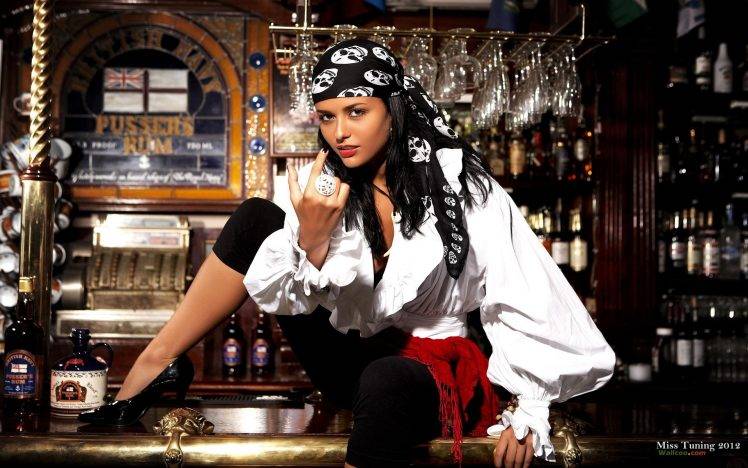
Throughout history, the image of pirates has been romantically intertwined with tales of treasure, adventure, and revelry. Among the myriad elements that define the pirate lifestyle, the consumption of alcohol emerges as a prominent theme. Yet, the fascination with alcohol during the age of piracy transcends mere indulgence; it encapsulates a critical aspect of the social fabric and cultural dynamics of the time. This exploration delves into how alcohol functioned not only as a vice but also as a symbol of camaraderie, power, and survival on the high seas.
1. The Maritime Context: Life at Sea
The harsh realities of life aboard a ship were far from glamorous. Long voyages could span months, often under the oppressive sun, with meager provisions. The challenges of maintaining morale among the crew necessitated diversion: alcohol emerged as the perfect panacea. It offered temporary respite from the relentless grind of maritime labor, fostering a climate in which brotherhood could flourish amid adversity.
2. Common Varieties of Pirate Alcohol
The pirate’s alcohol of choice varied widely, reflecting both available resources and personal preferences. Rum, the quintessential pirate drink, dominated the scene. This distilled spirit, derived from sugarcane byproducts, was readily accessible in the Caribbean, making it a staple for sailors. Additionally, beer and wine were common, though water often proved more perilous than refreshing, as it was frequently contaminated. The adage “Rum, sodomy, and the lash” encapsulates the essence of a pirate’s seafaring experiences, infusing their lives with the potent and intoxicating spirit of adventure.
3. Rituals and Customs Surrounding Alcohol
Alcohol was not merely a beverage; it bore cultural significance underpinning the social rituals of piratical life. Sharing a drink could solidify alliances, diffuse tension, or commemorate victories. Toasting to fallen comrades and engaging in raucous celebrations of plunder were acts of cultural continuity within the disparate crew. The shared rituals of drinking fostered camaraderie, bolstering unity among diverse individuals united by a common goal: the pursuit of fortune.
4. The Dark Side of Alcohol Consumption
However, the romantic allure of alcohol belies a darker narrative. Intemperance could lead to brutality, both towards shipmates and enemies. Accounts of pirate crews descending into chaotic revelry paint a vivid picture of how drunkenness could spawn violence and disorder, disrupting the otherwise precarious hierarchy aboard ships. The delicate balance of power derived from alcohol consumption held profound implications, with the risk of mutiny always lurking just beneath the surface.
5. The Role of Alcohol in Pirate Governance
Governance within pirate crews often mirrored democratic principles, with the captain toasting his crew to ratify decisions. The act of sharing rum during council meetings underscored the sense of equality among pirates, contrasting starkly with the oppressive hierarchy of traditional naval forces. Quintessential pirate leaders, such as Blackbeard and Bartholomew Roberts, utilized alcohol to both reward loyalty and exercise control, marking the complex interplay of intoxication and authority.
6. The Economic Impact of Alcohol
The alcohol trade proliferated alongside piracy, presenting economic opportunities ripe for exploitation. Pirates raided merchant vessels not only for gold and jewels but for cargo holds brimming with spirits. In many instances, the seizure of rum transformed into an enterprise that fueled the local economies of piracy-laden ports, thus knitting alcohol into the fabric of the transoceanic trade network. These vices became virtuous in the context of survival, supporting entire livelihoods.
7. Legends and Folklore: The Lasting Image of Pirates and Alcohol
The society’s fascination with pirates has given rise to an extensive tapestry of legends intertwined with alcohol. Iconic imagery of buccaneers drinking rum in dimly lit taverns or brimming ship holds has enshrined these figures in popular culture. The quixotic nature of these characters—imbibing heavily while orchestrating audacious heists—has left an indelible mark on literature, cinema, and art, perpetuating the romance of piracy and its quintessential beverage.
8. Alcohol and Morality: The Pirate’s Code
The intersection of alcohol and morality sheds light on the ethical constructs of pirate life. While many pirates adhered to a code that emphasized principles of fairness and share, the consumption of alcohol could sometimes blur moral boundaries. Instances of betrayal and piracy against fellow pirates underscored the moral muddiness that often accompanies excessive drinking. This juxtaposition of principles exemplifies the nuanced ethical challenges pirates faced, complicating our understanding of their motivations.
9. Reflection on Modern Perceptions
In contemporary times, the allure of the pirate lifestyle continues to fascinate. Modern interpretations, while often sanitized, still evoke the wild spirit that alcohol represents. The narratives surrounding pirates influence cultural touchstones in ways that resonate with the experiences of those seeking freedom and adventure. This lineage casts a long shadow over our collective memory, shaping perceptions of rebellion and camaraderie amid unbridled excess.
Conclusion: The Intoxicating Legacy of Pirates and Alcohol
The entanglement of alcohol and the age of pirates remains a rich tapestry woven from tales of camaraderie, chaos, and courage. Serving as both a source of joy and a harbinger of disorder, alcohol encapsulated the duality that defined the piratical experience. By examining alcohol’s role within this historical narrative, we come to appreciate the deeper currents of human behavior, survival instincts, and the desire for connection amid the volatility of the open sea. The legacy of pirate drinking is as instructive as it is intoxicating, offering a nuanced view of human nature that persists into modernity.










Leave a Comment