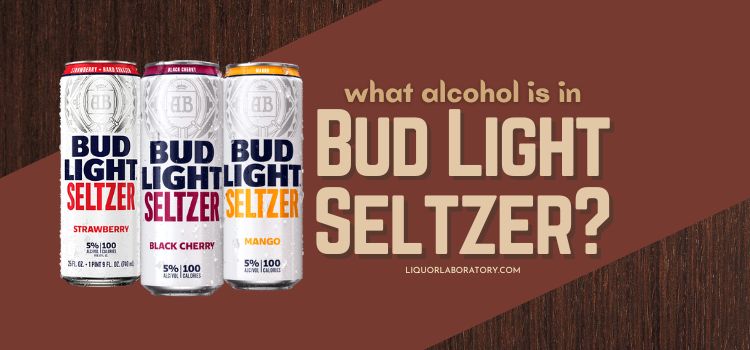
When it comes to the world of beer, few names are as ubiquitous as Bud Light. This velvety lager, which is hailed by many as a quintessential American beer, has captivated beer drinkers across the globe. The intrigue surrounding Bud Light extends beyond its refreshing taste; it also piques curiosity about its formulation, including the often-overlooked alcohol content. Understanding the alcohol percentage in Bud Light can offer a transformative perspective on the drinking experience. Are you ready to embark on a detailed journey into the realm of Bud Light and its alcoholic characteristics?
1. The Fundamentals of Alcohol in Beer
Before diving into the specifics of Bud Light, it’s essential to understand the basics of alcohol in beer. The alcohol content in beers is typically measured as a percentage of alcohol by volume (ABV). This measurement signifies what portion of the liquid is alcohol. For example, a beer with an ABV of 5% means that 5% of the drink consists of alcohol, the remainder being water and other components.
2. Bud Light’s Alcohol Content
Bud Light boasts an alcohol percentage of 4.2% ABV. This relatively modest level places it on the lower end of the spectrum for many lagers but aligns perfectly with its intention as a light, easy-drinking beer. This consciously low ABV invites closer examination and encourages consumers to appreciate the subtleties of flavor without overwhelming potency.
3. The History of Bud Light
The allure of Bud Light goes beyond its alcohol content. Founded in the beer-centric culture of America in 1982, Bud Light emerged as a response to the rising demand for lighter beers. As beer aficionados began to seek more sessionable options, Bud Light positioned itself as the go-to beer for casual gatherings, tailgating, and summer barbecues. This historical background provides context for its formulation: a beer that’s enjoyable without overly complicating the drinking experience.
4. Exploring Flavor Beyond Alcohol
The alcohol percentage is just one piece of the puzzle. Bud Light is engineered with a distinct light malt taste, which is complemented by a hint of hops. The balance between these flavors alongside the moderate alcohol content creates a palate-pleasing experience. This harmony allows Bud Light to serve as a versatile beverage, capable of pairing with a diverse range of foods. From spicy wings to light salads, the choice of Bud Light can enhance culinary experiences without overshadowing the meal.
5. Comparing Bud Light with Other Beers
To fully appreciate the significance of Bud Light’s ABV, it’s beneficial to compare it with other popular beers. Most mainstream lagers, like Budweiser and Miller Lite, typically range between 4.2% and 5.0% ABV. However, when juxtaposed with craft beers, the difference is notable. Many craft lagers and IPAs can exceed 6% or even 7% ABV, creating a richer, more intense drinking experience. Understanding this contrast can provide beer drinkers with insight into their preferences, prompting them to explore various styles while remaining grounded in the familiarity of Bud Light.
6. The Role of Light Beers in Social Settings
Bud Light’s low alcohol content resonates particularly well in social settings. The 4.2% ABV strikes an ideal balance, allowing drinkers to socialize without the risk of becoming indisposed too quickly. This appealing aspect encourages prolonged conversations and laughter during gatherings, making Bud Light a staple for sporting events, summer festivals, and friendly get-togethers. The communal experience surrounding Bud Light invites drinkers to appreciate the artistry of beer without the overshadowing influence of higher alcohol percentages.
7. Misconceptions About Alcohol and Light Beers
Despite its widespread popularity, some misconceptions about Bud Light and similar brands persist. A common myth is that light beers lack flavor and character due to their lower alcohol content. However, Bud Light disproves this notion. Its recipe is meticulously crafted to provide drinkers with a crisp and lively flavor, despite its reduced ABV. This means that light beers can offer a compelling drinking experience without excess alcohol, debunking the stigmas that often accompany the term “light.”
8. The Future of Bud Light
As consumer preferences evolve, so too does the Bud Light brand. The beer industry is witnessing a burgeoning interest in diverse brewing techniques and flavors, leading to an increase in innovative products catering to distinct tastes. Bud Light has been proactive about adapting to these trends, resulting in various flavored iterations while maintaining its core identity. As the landscape of beer consumption shifts, Bud Light continues to serve as a unique bridge between traditional lager enthusiasts and a new generation of craft beer consumers.
Conclusion
In summary, the alcohol percentage of Bud Light—4.2% ABV—is intricately woven into the fabric of its identity. This seemingly simple number unlocks a realm of possibilities and discussions surrounding flavor, social settings, and perceptions of light beers. As you pour your next glass, consider this: each Bud Light embodies a harmonious blend of moderate alcohol content, refreshing flavor, and a rich narrative that has evolved over decades. By broadening your understanding of Bud Light, you may find yourself appreciating not just the beverage but also the emotions and memories it fosters. Whether celebrating with friends or enjoying a quiet evening alone, Bud Light positions itself as a reliable companion, replete with promise and refreshment.








Leave a Comment